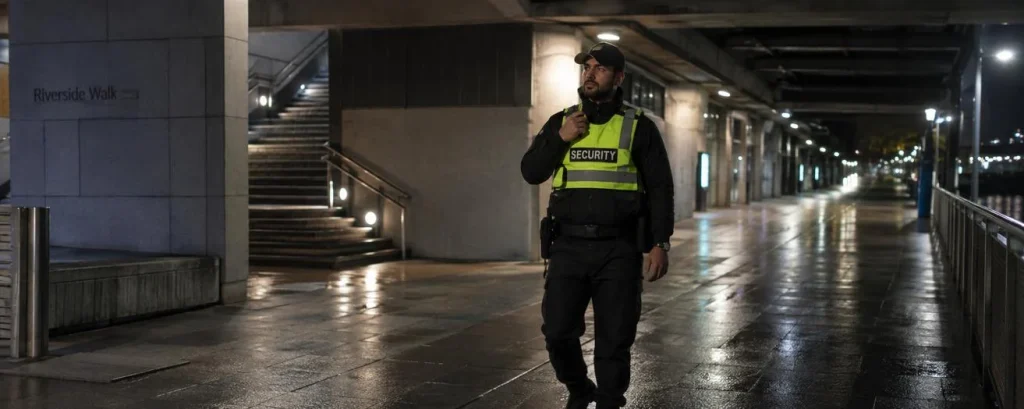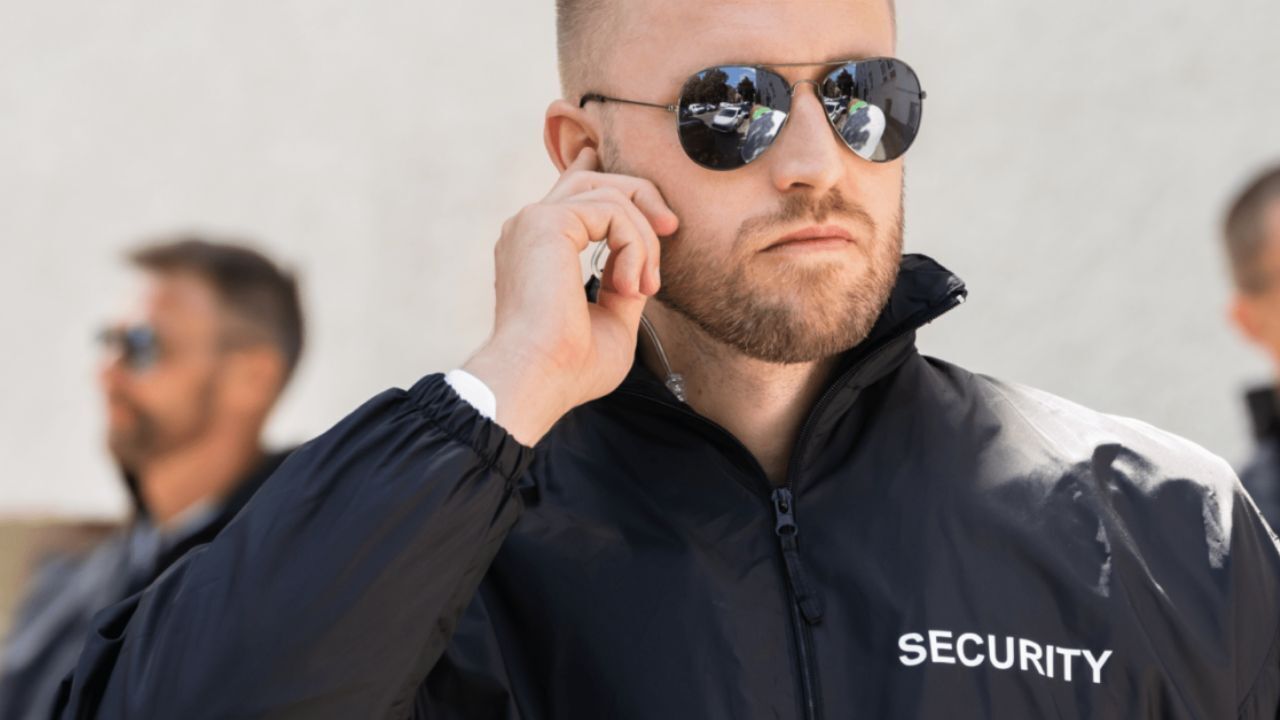




Lone working is the norm across the UK private security sector. From night-shift guards and mobile patrol officers to static site guards and retail security, operating completely alone is a daily reality for thousands of SIA-licensed security professionals. While the role demands independence and vigilance, it also exposes security officers to risks that many employers do not adequately address.
This guide is for you — the officer on the ground. It covers the real risks of lone working in security, your legal rights, and what your employer is legally required to do to keep you safe.
Who Counts as a Lone Worker in Security?
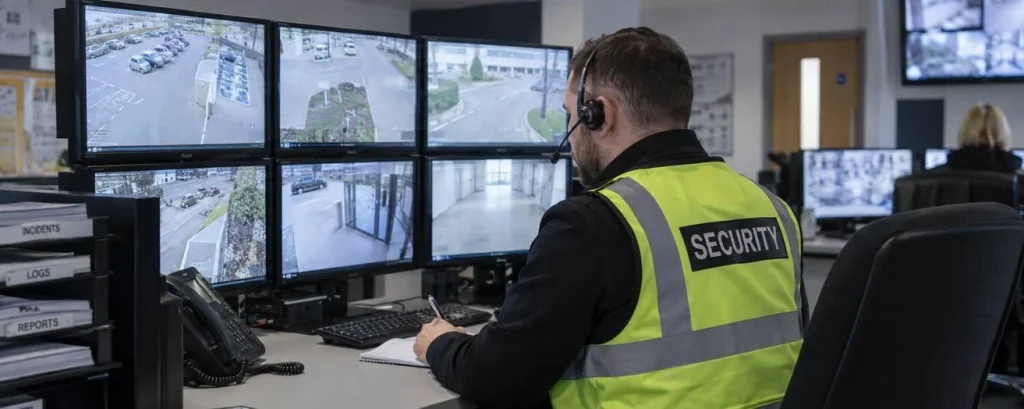
A lone worker is anyone who works by themselves without close or direct supervision. In the security industry, that covers a wide range of roles and scenarios. A static guard working a night shift at an empty industrial site is a lone worker. A mobile patrol officer covering multiple locations without a colleague is a lone worker. A retail security officer managing a shop floor alone during quiet hours is a lone worker.
The defining characteristic is not isolation in a physical sense; it is the absence of immediate backup when something goes wrong. In security, that distinction matters enormously. If you are exploring how to become a security guard, understanding this aspect of the job is essential.
The Real Risks Facing Lone Security Officers
Security officers working alone encounter unpredictable, public-facing environments on every shift. The risks are not theoretical. Physical assaults, verbal abuse, and threatening behaviour are occupational hazards that frontline security staff face at an alarming rate.
Recent data paints a stark picture. A 2025 impact report by SoloProtect revealed a 132% increase in physical attacks on lone workers over a three-year period, alongside a 104% rise in weapon-related incidents. Furthermore, the Security Industry Federation (SIF) documented over 950 instances of violence against security workers in just a 16-month period leading up to early 2025.
This rising tide of violence is exactly why campaigns like Stan’s Law, a movement started to push to make assaulting a security worker a specific criminal offence, are so vital.
Beyond physical confrontation, lone workers face risks that are less visible but equally serious. Medical emergencies become life-threatening when there is no colleague nearby to raise the alarm.
The psychological toll of sustained isolation, particularly during unsociable hours, is also a growing concern. The SIF has highlighted that working alone through the night with no support frequently leads to burnout and severe fatigue, underscoring the importance of addressing mental health in security.
Recommended Reading: Personal Safety for Security Officers
Your Employer’s Legal Duties
Under UK law, including the Health and Safety at Work Act, employers have a clear legal duty to protect anyone who works alone. This obligation is not optional, and it explicitly covers SIA-licensed security personnel. Your employer cannot assign you to a remote site or a lone patrol without taking proactive, documented steps to ensure your safety.
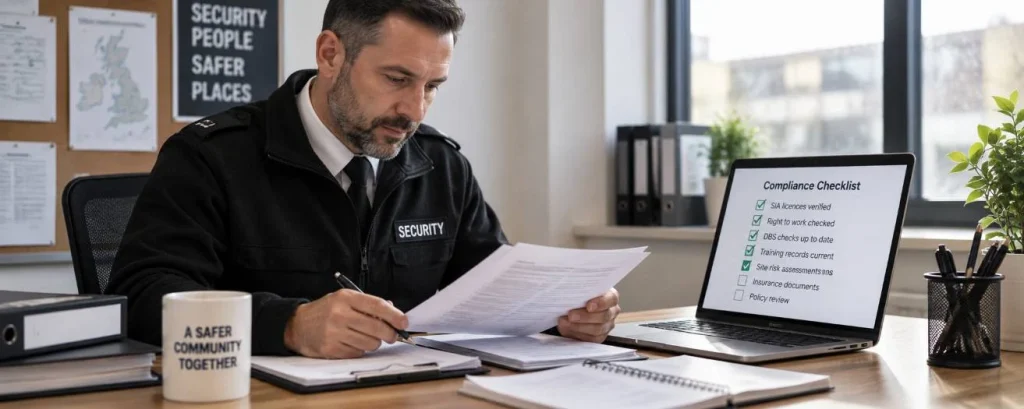
The starting point is a specific risk assessment for lone working environments. This assessment must identify the hazards particular to your role and location, evaluate the likelihood of harm, and set out the control measures your employer will put in place. Crucially, these assessments must be reviewed regularly — and the SIA expects licence holders to work in environments that meet these standards.
Beyond the risk assessment, your employer must provide adequate training and support. You must have access to reliable communication equipment at all times. A mobile phone with patchy signal in a remote location does not meet this standard.
What Good Lone Worker Protection Looks Like
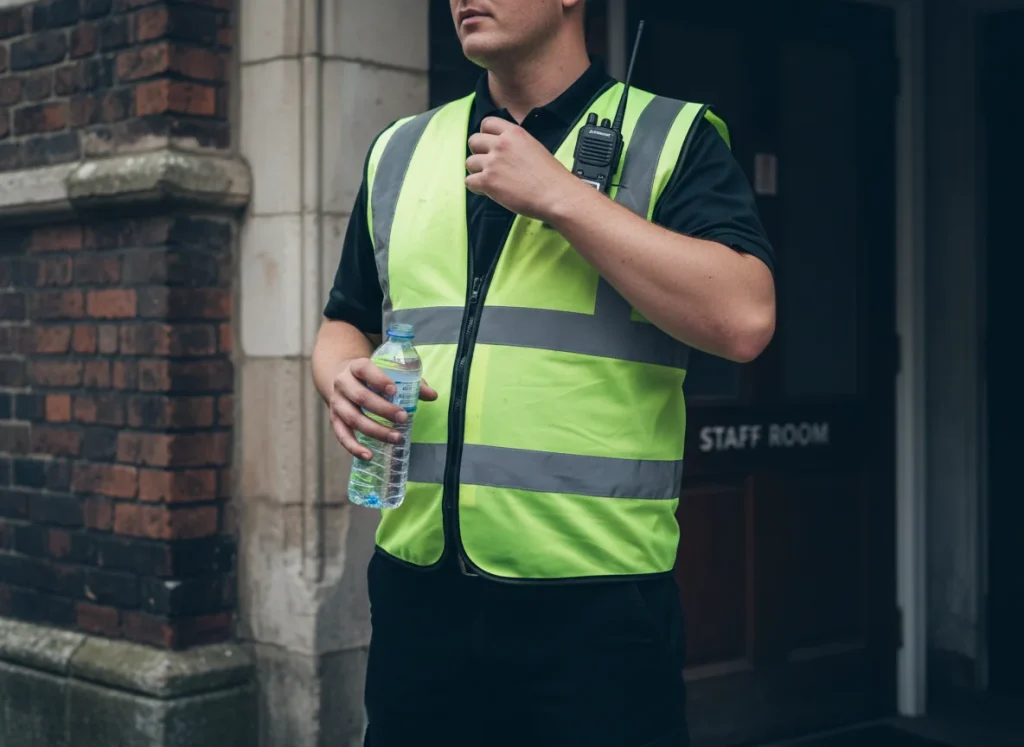
Responsible security companies deploy a range of safety solutions to meet their legal obligations and protect their officers. Automated check-in systems, real-time GPS tracking, and SOS alerting are now standard features of professional lone worker protection.
Many employers use dedicated lone worker safety devices or apps that allow officers to signal for help discreetly. Some systems include ‘man-down’ functionality that automatically triggers an alert if the device detects a sudden impact or prolonged lack of movement; critical for scenarios where an officer is incapacitated.
Technology, however, is only part of the picture. Clear escalation protocols, regular welfare check-ins from a central control room, and the availability of mobile response units are the operational foundations that make lone worker protection genuinely effective. If your employer cannot explain what happens when you press the SOS button, that is a serious compliance failure.
Protecting Your Own Wellbeing on Shift
Knowing your rights is the first step. Acting on them is the next. Familiarise yourself with your site’s specific risk assessment and emergency procedures before you start a shift. If they do not exist, you have the right to raise this concern with your manager or a health and safety representative.
Use your communication devices consistently. Never assume a situation is safe simply because it has been safe before. Understanding conflict management and de-escalation is your most effective tool in a confrontation, and your personal safety always takes precedence over property. These skills are embedded in both the Security Guard licence and Door Supervisor licence qualifications for good reason. They are not just exam content; they are the tools that keep you safe on shift.
It is also worth keeping your SIA licence renewal up to date. Letting your licence lapse does not just affect your ability to work; it can leave you in a more vulnerable position if a workplace incident is ever formally reviewed.
Recommended Reading: The Easiest Way to Defuse Conflict
Train for the Frontline
Operating as a lone worker in security requires specific skills, confidence, and a thorough understanding of safety protocols. The right training makes the difference between managing a difficult situation effectively and being caught unprepared.
Whether you need comprehensive Security Guard training or a Door Supervisor course to build your conflict management skills, ensure you are fully equipped for the realities of the job. Book your course today and advance your career safely with Get Licensed.