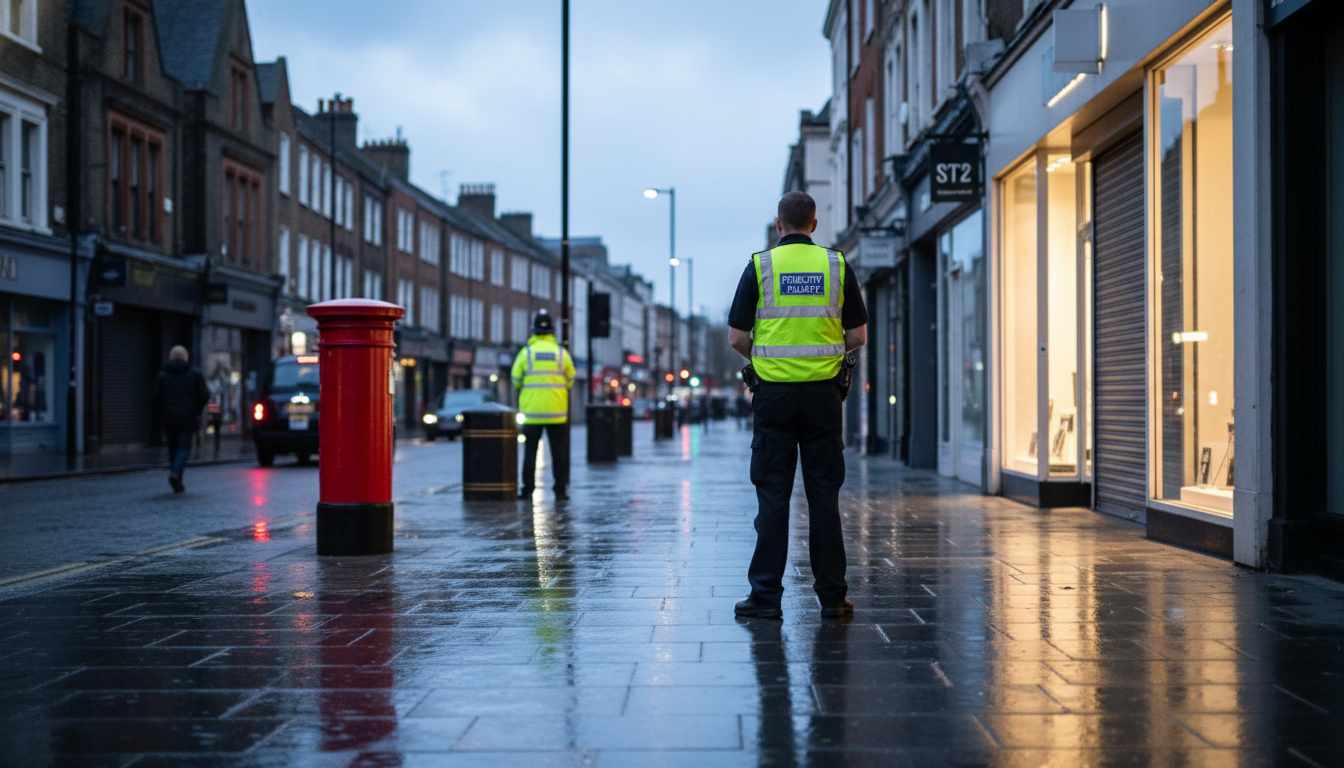


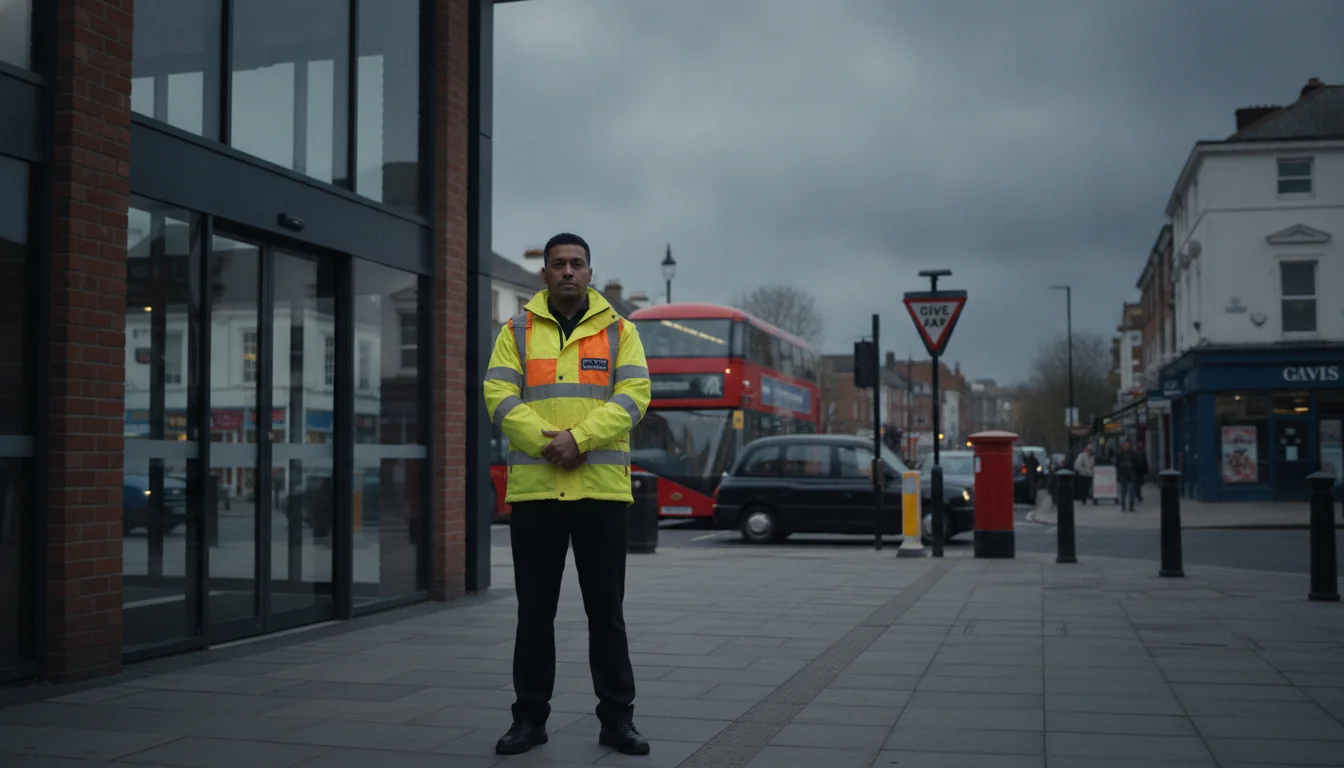



A customer comes up to you in the queue. Someone has shouted racist abuse at them, or targeted them for their religion, their sexuality or a disability. They’re shaken, the person responsible is still nearby, and your radio is going. What do you do?
Most door supervisors learn this on the job, one awkward night at a time. Here’s a clear way to handle it, and what to record so the police can act on it.
What Counts As A Hate Crime
A hate crime is any criminal offence that the victim, or anyone else, perceives to be motivated by hostility or prejudice. That includes hostility based on race or ethnicity, religion, sexual orientation, disability or transgender identity. These are the five strands the Home Office monitors, and the definition comes from the College of Policing.
Two things follow from that definition:
- It’s perception-based. You don’t have to prove motive, and it isn’t your job to decide whether something “really” was a hate crime. If the person says that’s how it felt, or a witness does, record it that way.
- Not every incident is a crime. Some are what police call non-crime hate incidents, where the behaviour was motivated by prejudice but isn’t a criminal offence. You don’t need to work out which is which on the night. Record what happened either way.
What To Do In The Moment
This is general good practice, so always follow your venue’s procedures, your training, and any instruction from the police.
- Check for immediate danger. If someone is being attacked, threatened or at risk, call 999 first.
- Separate people, calmly. Create distance between the person who’s been targeted and the person responsible, ideally without escalating. Our guide to conflict management training covers de-escalation if a situation could turn.
- Stay inside your powers. Refusing entry or removing someone is one thing; confronting or detaining them is another. If you’re unsure where the line sits, our breakdown of what a door supervisor can and can’t do is worth a re-read. Where there’s an ongoing offence, get the police involved rather than improvising.
- Tell your supervisor or venue manager. Don’t carry it alone, and don’t leave the next shift guessing.
What To Record
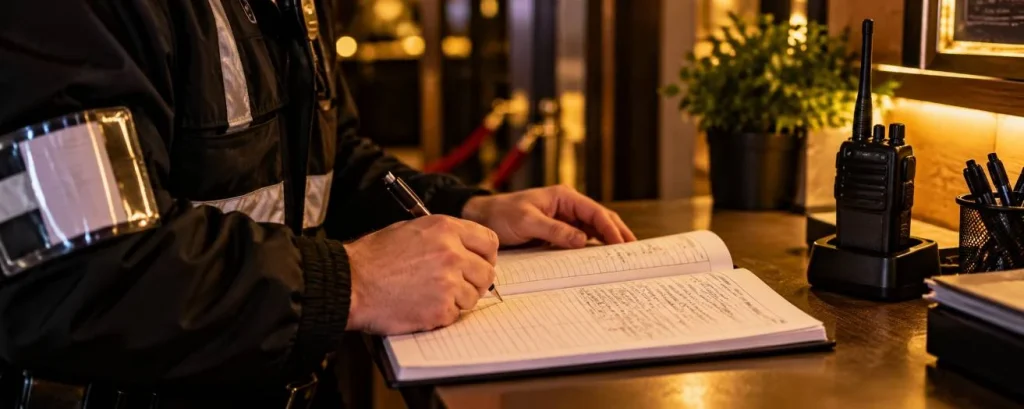
A good record makes the police’s job much easier weeks later. Write it down while it’s fresh, and stick to facts:
- Date, time and exact location
- What was said or done, using the exact words if you can
- Who was involved, with descriptions, and whether the person responsible left or was refused entry
- Any witnesses, including colleagues
- What the person who was targeted told you, in their own words
- Which camera covers the area
Leave out your opinions and guesses about motive. Facts and the person’s own account are what count.
Keep The Evidence
CCTV is often the strongest evidence in a hate incident case, and many systems overwrite footage on a loop. As soon as an incident is reported, tell whoever manages your system, note the camera and time window, and ask for the clip to be saved before it’s lost. Handing over a clear record and a saved clip is one of the most useful things you can do for the person and for the police.
Look After The Person Without Steering Them
Being targeted is distressing, and some people won’t want to report at all. Let them decide. Offer the options and don’t pressure them:
- In an emergency: 999. Otherwise, 101, or True Vision online.
- Specialist support: CST for antisemitic incidents, Tell MAMA for anti-Muslim hate, and Galop for LGBT+ victims.
- A quiet space and a staff member to stay with them, if your venue can offer it.
If they’d rather not report, your written record still matters. Keep it, in line with your venue’s policy.
Why It Matters Right Now
Official figures show why this deserves attention. In the year to March 2025, police in England and Wales recorded 115,990 hate crimes, excluding the Metropolitan Police, a 2% rise on the year before, with increases in race and religious hate crime. The Home Office is clear that police figures show demand on the police rather than how much hate crime actually happens, and that the Met’s data isn’t comparable with earlier years after a change of recording system. The next figures are due on 8 October. For the full breakdown, see the Home Office bulletin and our guide to hate crime and community safety in the UK.
The headline number won’t change what you do on the night. Clear procedures, good records and a team that knows who does what will.
Build Your Confidence On The Door
If you’re new to door work, or it’s been a while since your last course, handling situations like this is easier with solid training behind you. Get Licensed’s Door Supervisor training covers the skills you’ll use every shift, from conflict management to working within your powers.