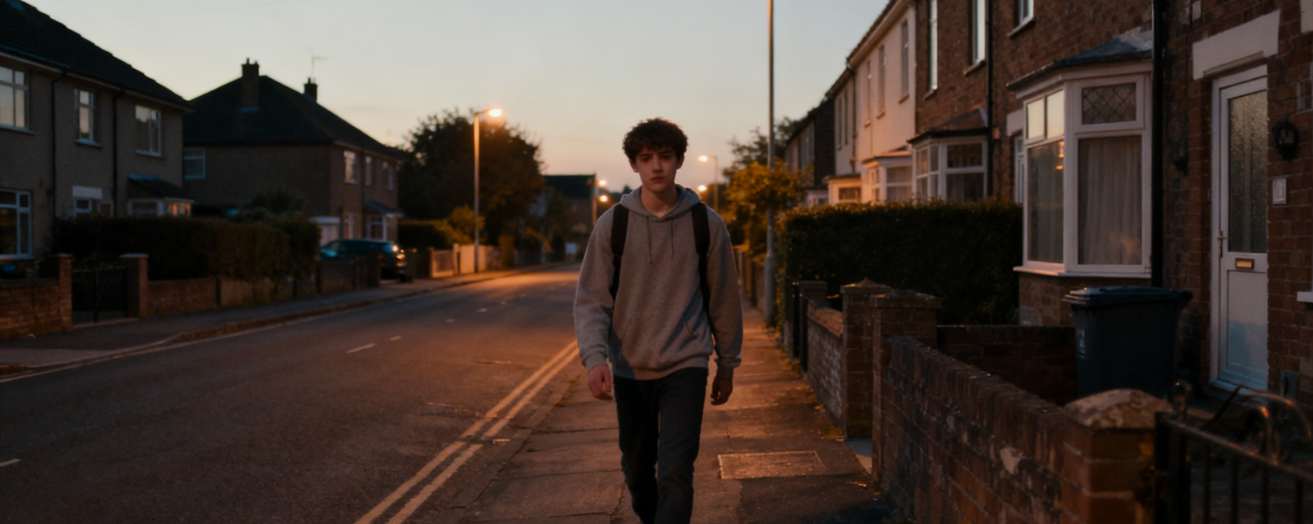


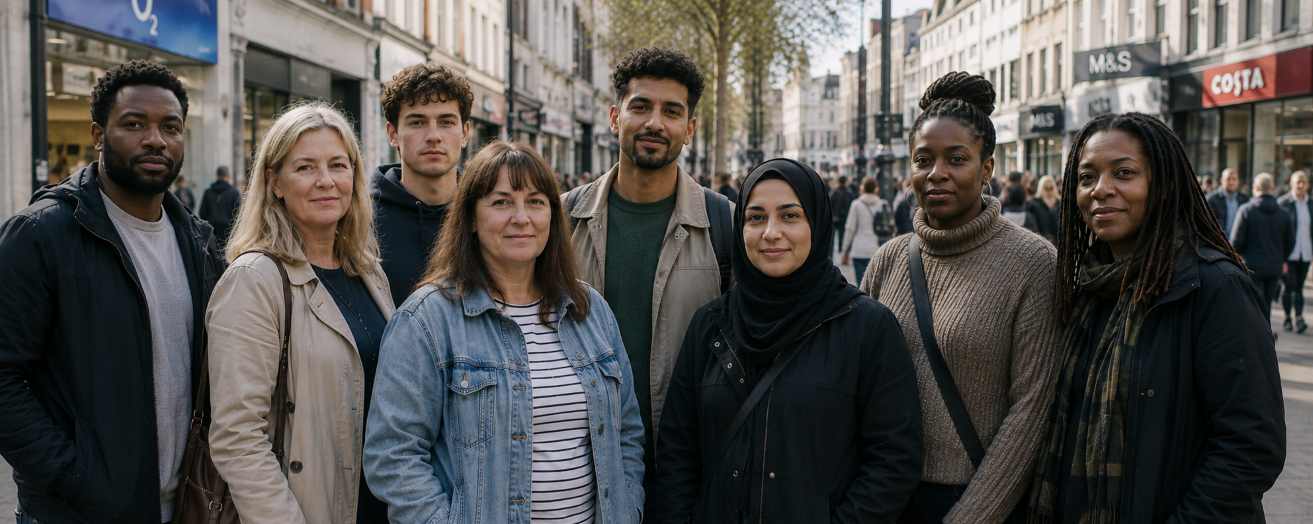



If you break down the 137,550 hate crimes recorded by police last year, a stark reality emerges: roughly 226 racially motivated offences happen every single day in England and Wales.
Hate crime — offences motivated by hostility towards someone’s race, religion, sexual orientation, disability, or transgender identity — remains a persistent challenge on our streets, online, and in our communities. But while the numbers are sobering, the legal landscape is shifting to offer victims stronger protections than ever before.
This guide breaks down the latest UK hate crime statistics, examines what the landmark 2026 law changes mean for you, and provides actionable advice on how to safely intervene as a bystander. It is part of our wider UK Safety Guide, exploring the most pressing security issues facing the country today.
Hate Crime Statistics 2025: The True Scale of the Problem
The Home Office’s latest data for the year ending March 2025 reveals that police in England and Wales recorded 137,550 hate crimes. Outside of London (where recording methods recently changed), hate crime rose by 2% overall.
The breakdown highlights exactly where this hostility is concentrated:
- Race remains the primary trigger: Racially motivated offences accounted for 71% of all recorded hate crimes — a 6% increase in a single year.
- Religious hate crime hit a record high: Offences motivated by religion rose by 3%. Across all forces, 45% of these targeted Muslims, while 29% targeted Jewish people.
But police data only tells part of the story. The Crime Survey for England and Wales estimates there are actually around 176,000 hate crime incidents a year — meaning tens of thousands of victims never come forward. That gap between what’s experienced and what’s reported is one of the biggest challenges in tackling hate crime effectively.
The Southport Riots and Hate Crime: How Online Rhetoric Fuels Real-World Violence
Hate crimes rarely exist in a vacuum. It is often inflamed by national events and, increasingly, by online misinformation. The Home Office data shows a stark example of this following the tragic Southport murders in July 2024.
In the aftermath of the attack, false claims regarding the suspect’s identity spread rapidly on social media, sparking 29 anti-immigration riots across 27 UK towns and cities. The statistical impact was immediate: in August 2024, police recorded 10,097 racially or religiously aggravated offences — the highest monthly total ever recorded in the UK.
To grasp the scale of that spike, consider this: 27 of the 44 police forces in England and Wales hit their highest-ever monthly levels of these specific offences during that single month. It is a powerful illustration of how quickly online tension can translate into physical violence on our streets — and why digital literacy matters as much as physical safety.
What the Crime and Policing Act 2026 Means for Hate Crime
The Crime and Policing Act 2026, which received Royal Assent on 29 April 2026, represents the most significant change to UK hate crime legislation in years.
Previously, only offences motivated by race or religion were classified as “aggravated offences,” meaning they carried stronger maximum penalties. The new law extends these aggravated offences to cover hostility related to disability, sex, sexual orientation, and transgender identity.
As highlighted by Stonewall, this change equalises the punishment for anti-LGBTQ+ and disability hate crimes, meaning perpetrators will face longer sentences. Crucially, it also removes the previous 6-month statutory time limit for investigations — giving victims the time they need to safely report abuse and access justice without the pressure of a ticking clock.
Bystander Intervention: How to Safely Challenge Hate Crime
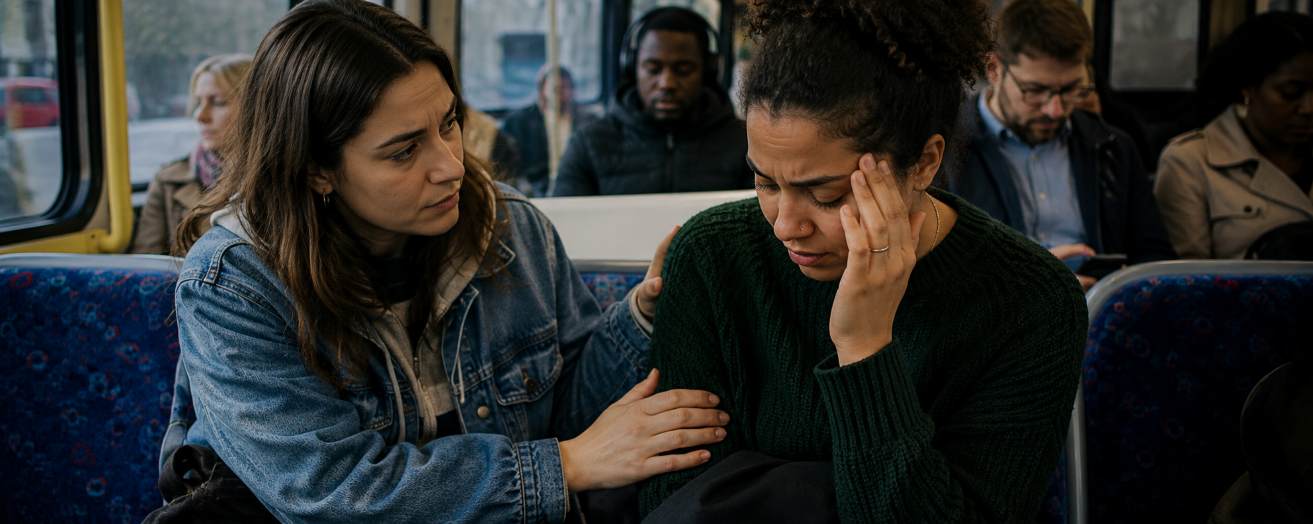
Community safety is not just about policing; it is about how ordinary people respond when they witness harassment. If you see a hate incident occurring — whether on London’s public transport or in your local high street — you do not have to be a hero to help.
Organisations like Protection Approaches advocate for the “Active Upstander” model, using the proven “5 Ds” of bystander intervention:
- Direct: If it is safe to do so, directly address the situation. Keep it short and focused on the behaviour, e.g., “Please leave them alone.”
- Distract: De-escalate the situation by creating a distraction. Ask the victim for directions, or accidentally drop something nearby to break the tension.
- Delegate: Find someone else to help. This could be a bus driver, a shop manager, a security guard, or the police.
- Delay: If you cannot intervene in the moment, check in with the victim afterwards. Ask if they are okay and if they need help reporting the incident.
- Document: If someone else is already helping the victim, and it is safe to do so, record the incident on your phone. Always ask the victim what they want to do with the footage before sharing it.
The key takeaway: doing something is almost always better than doing nothing. Even a small act of solidarity — sitting next to the victim, making eye contact, asking “are you okay?” after the fact — can make a significant difference to someone’s experience.
How to Report a Hate Crime in the UK

Reporting hate crime matters, even when it feels like nothing will come of it. Every report helps police identify patterns, allocate resources to hotspots, and build a more accurate picture of the problem. For a broader look at crime rates across the country, see our breakdown of the UK’s most violent cities.
If you are a victim or a witness, there are multiple ways to report:
- In an emergency: Always call 999 if you are in immediate danger. For non-emergencies, call 101.
- Report online: You can report hate crimes via the police-run True Vision portal.
- Crimestoppers: To report information anonymously, call 0800 555 111.
- Specialist support: Tell MAMA supports victims of anti-Muslim hate, the Community Security Trust (CST) handles antisemitic incidents, and Galop supports LGBT+ victims.
- Stop Hate UK: They operate a 24/7 helpline on 0800 138 1625 for all forms of hate crime.
What You Can Do
The data in this article paints a challenging picture, but it also tells a story of progress. The new 2026 legislation means stronger protections for more people. The bystander framework gives you a practical toolkit for the moments that matter. And every single report — no matter how small the incident feels — contributes to a clearer picture that helps communities and police respond more effectively.
Hate crime thrives on silence and isolation. The most powerful thing any of us can do is refuse to look away.
For more on staying safe across the UK — from phone theft and drink spiking to keeping young people safe online — our UK Safety Guide covers the full picture. And behind the scenes, trained and licensed security professionals play a vital role in maintaining safe, inclusive environments at events, venues, and public spaces across the country.