




A grant can get your venue open. A personal licence is what lets you legally serve a drink once it is.
The government has opened a £10m Hospitality Grant Scheme to back new pubs, cafés and restaurants, bring empty premises back to life, and fund hospitality training. If you’re planning to open a pub or licensed venue this year or move into a management role, here’s what the scheme covers and what you need in place before you can serve a drop of alcohol.
Key Takeaways
- The Hospitality Grant Scheme is worth £10m over three years, run by the Department for Business, Innovation, Science and Trade
- Applications open from the end of September 2026
- Funding covers new hospitality business startups, bringing vacant premises back into use, and training programmes for hospitality careers
- £3m is ring-fenced for Pub is The Hub, supporting rural and deprived-area pubs to diversify into services like village stores and community cafés
- The scheme builds on a pilot that delivered 70+ rural pub projects and two hospitality training facilities inside UK prisons
- Any new venue selling alcohol still needs a personal licence holder named as Designated Premises Supervisor — grant funding doesn’t cover that requirement
What The £10m Hospitality Grant Scheme Actually Funds
The scheme is designed to get more independent hospitality venues open and more people working in the sector. It splits into a few clear strands.
New business startups get support to open pubs, cafés and restaurants, particularly in areas where premises have sat empty. Training programmes get funding too, aimed at building skills for hospitality careers rather than just filling shifts. And £3m goes specifically to Pub is The Hub, the charity that helps rural and deprived-area pubs add services like shops, cafés and community spaces so they stay viable.
It’s not the government’s first attempt at this. A pilot phase already delivered more than 70 rural pub projects and set up two hospitality training facilities inside UK prisons, including one run by The Right Course. Guidance is available now on GOV.UK, with applications opening from the end of September 2026.
Recommended Reading: What Is a Pub Licence and Do You Need One?
Why This Matters If You’re Opening A Venue
A grant can pay for refurbishing a vacant unit or launching a new café. It can’t authorise you to sell alcohol.
Any premises selling alcohol in England and Wales needs a premises licence, and every premises licence needs a named Designated Premises Supervisor (DPS) who holds a personal licence. If you’re using this scheme to open a new pub, bar, restaurant or café that will serve alcohol, sorting your personal licence is a step you can’t skip — and it’s worth doing before your venue opens, not after.
The same applies if the grant funds a training programme that moves staff into management. Stepping up to run a shift, take responsibility for a bar, or become a DPS all point back to the same qualification.
Recommended Reading: Does a DPS Always Need to Be On Site?
What The Grant Covers Vs What’s On You
| Covered by the scheme | Your responsibility | |
|---|---|---|
| Business setup | New venue costs, refurbishing vacant premises | — |
| Training | Hospitality skills programmes (per grant guidance) | — |
| Personal licence | Not covered | APLH course, DBS check, £37 council fee |
| Premises licence | Not covered | Separate application to your local council |
Getting Your Personal Licence Before You Open
Getting a personal licence is a straightforward process once you know the order to do things in.
You’ll need to pass the APLH course — a 40-question multiple-choice exam sat in 40 minutes, with a pass mark of 28/40. You’ll also need a DBS check submitted within one calendar month of your application, along with photos and a £37 application fee paid to your local council. Altogether, most people budget £150–£250 for the whole process. Processing times vary by council, but 2–4 weeks from a complete application is typical, assuming there’s no police objection.
Once you’re licensed in England or Wales, it doesn’t expire; you hold it for good. Scotland works differently: it uses its own SCPLH qualification, and licences run on a 10-year renewal cycle rather than lasting indefinitely.
Our complete guide to getting a personal licence walks through every step in more detail, from booking the course to submitting your application.
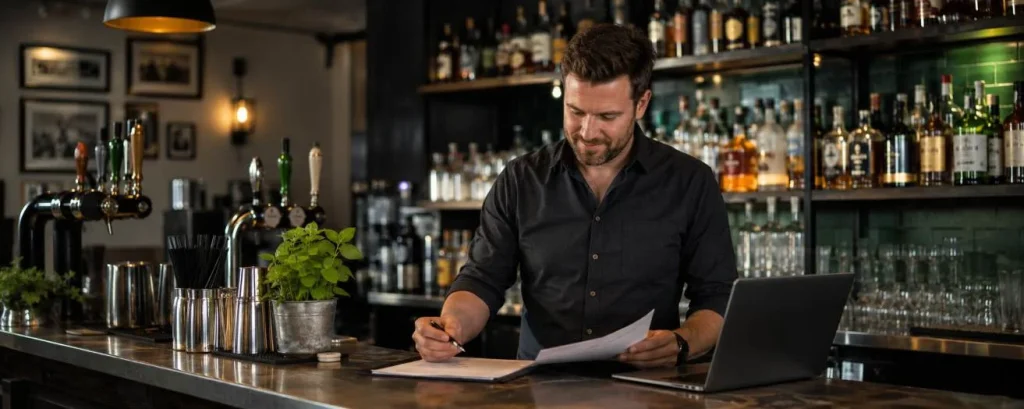
Take The Next Step
If this grant scheme has you thinking about opening a venue or stepping into a DPS role, get your personal licence sorted first. Book your APLH course and you can be exam-ready well before your grant application, or your venue, is through the door.
Frequently Asked Questions
No. The scheme funds business setup costs, premises, and training programmes — the personal licence application (course, DBS check and council fee) is a separate cost, usually £150–£250.
No. A personal licence is only required if your venue sells or authorises the sale of alcohol. A café serving food and soft drinks doesn’t need one.
The scheme lists training programmes for hospitality careers as one of its funded strands, but specific eligible costs will depend on the individual grant guidance published on GOV.UK. Check the scheme’s eligibility criteria directly before assuming a course is covered.
Processing varies by council, but 2–4 weeks from a complete application is typical, provided there’s no objection to your DBS check.
Selling alcohol without a designated premises supervisor holding a valid personal licence is a breach of the Licensing Act 2003 and can put your premises licence at risk. Get your personal licence in place before you open, not after.