




The 2026 World Cup begins on 11 June. Personal licence applications take three to six weeks from start to finish. If you want to be qualified in time to step into a Designated Premises Supervisor role, take on extra responsibility at your venue, or open a pop-up bar for the tournament, the time to start is now. This guide walks you through the exact timeline, the four steps, and what to do if you have left it late.
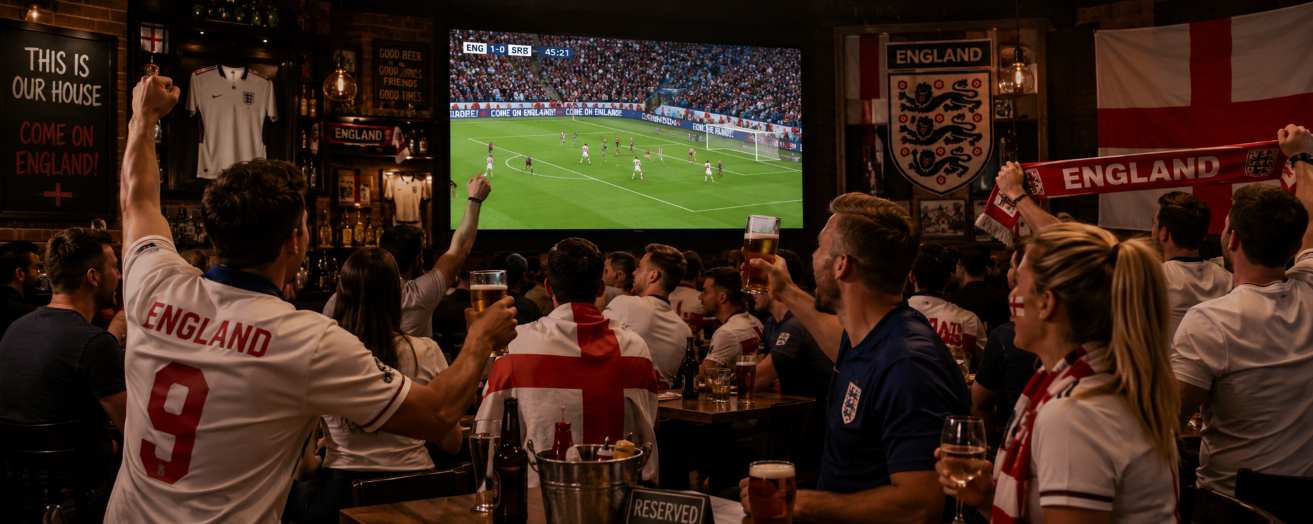
The 2026 World Cup begins on 11 June and runs until the final on 19 July. From the moment the tournament kicks off, pubs, bars, hotels, and event venues across the UK will be operating at full capacity, often with extended hours, and almost always under more pressure than usual.
For anyone in hospitality who has been thinking about getting their personal licence, the World Cup is the deadline to work backwards from. The course itself takes a day. The council application takes weeks. And the people who get licensed in time to take advantage of the tournament are the ones who start the process this week, not next month.
Here is exactly what you need to do, how long each stage realistically takes, and what your options are if the calendar is already against you.
Key Insights
- The 2026 World Cup runs from 11 June to 19 July, with the government confirming extended licensing hours for selected fixtures.
- Personal licence applications take between three and six weeks from the time you book your course to receiving your licence.
- The APLH course is a one-day Level 2 qualification and is the legal prerequisite for applying.
- Your DBS check must be dated less than one calendar month before you submit your application, so timing matters more than people realise.
- Total cost typically falls between £99 and £249, depending on the package you choose.
Why the World Cup is Driving Demand for Personal Licence Holders
A major tournament puts hospitality venues under a very specific kind of strain. Capacity goes up. Hours get extended. Staff get stretched. And the legal responsibility for everything that happens behind the bar sits with whoever holds the Designated Premises Supervisor (DPS) role, who by law must be a personal licence holder.
There are three groups of people who feel this pressure most acutely in the run-up to a tournament:
Hospitality professionals looking to step up. A personal licence is the qualification that separates a senior bartender from a bar manager. Venues that have been short on qualified managers are most exposed during the World Cup window, which means promotion opportunities open up for staff who hold the qualification.
Venue owners and operators. Every premises that sells alcohol must have a named DPS. If your current DPS is leaving, planning annual leave during the tournament, or simply cannot cover the extended hours alone, you need additional qualified people on your team. Operating without a named DPS is a criminal offence under the Licensing Act 2003.
Independent operators planning World Cup activations. Pop-up bars, mobile bars at fan zones, hospitality at private events, and one-off venues all need somebody qualified to authorise the sale of alcohol. For events not covered by a permanent premises licence, you will also need to understand how Temporary Event Notices work alongside your personal licence.
The government has made the commercial opportunity clearer still. Following a public consultation, Home Secretary Shabana Mahmood confirmed a Licensing Hours Order allowing pubs and licensed premises in England and Wales to stay open until 1 am for home nation knockout matches kicking off between 5 pm and 9 pm, and until 2 am for matches starting between 9 pm and 10 pm. Venues do not need to submit a Temporary Event Notice for these specific fixtures. This is a significant commercial window, but it requires someone with a personal licence to be responsible for the extended trading.
If you fall into any of these groups and you do not yet hold a personal licence, the pre-tournament window is the time to act.
The Realistic Timeline: Can You Still Get Licensed Before 11 June?
The honest answer is yes, but only if you start now.
Here is what the timeline actually looks like:
| Stage | Realistic timing | Notes |
|---|---|---|
| Book and complete the APLH course | 1 to 7 days | Online courses can be started the same day; classroom courses depend on scheduled dates |
| Receive your APLH certificate | 1 to 5 working days after passing | Some providers issue same-day digital certificates |
| Apply for and receive your basic DBS check | 1 to 14 days | Most are returned within a week, but it can take longer |
| Get your countersigned photos and gather paperwork | 1 to 3 days | Depends on your countersignatory’s availability |
| Council processing | 2 to 4 weeks | Police are notified and have 14 days to object |
| Total elapsed time | 3 to 6 weeks | Faster if everything aligns; longer if anything is incomplete |
If you book your course promptly, complete it within the first week, get your DBS check moving in parallel, and submit a clean application at least four weeks before the tournament begins, you are realistically looking at receiving your licence in time for the group stages and the entire knockout phase.
If you wait until the end of May to start, you will almost certainly not be licensed before kick-off, though you will be in time for the latter half of the tournament.
For a deeper look at the timing question, see our guide on how long it takes to get a personal licence.
Step 1: Check That You Are Eligible
Before you book anything, confirm you meet the basic eligibility requirements set out in the Licensing Act 2003. You must:
- Be aged 18 or over
- Have the right to live and work in the United Kingdom
- Not have been disqualified from holding a personal licence by a court order
- Be prepared to hold the accredited APLH qualification (covered in Step 2)
You will also need to declare any unspent criminal convictions for a “relevant offence” under Schedule 4 of the Act. This includes violent crimes, sexual offences, drug offences, firearms offences, and offences under the Licensing Act itself. Having a conviction does not automatically disqualify you, but the police will be notified and may object. If this applies to you, read our guides on applying with a criminal record and applying with a drink driving ban before booking your course.
Step 2: Book and Complete Your APLH Course
The Award for Personal Licence Holders (APLH) is a Level 2 accredited qualification, and it is the legal training requirement for anyone applying for a personal licence in England and Wales. It takes one day to complete and ends with a 40-question multiple-choice exam. The pass mark is 70 per cent, or 28 out of 40.
The course covers the Licensing Act 2003, the responsibilities of personal licence holders and DPSs, the protection of children from harm, and the legal powers of enforcement officers. A significant portion of the curriculum focuses on the four licensing objectives that underpin the entire UK alcohol licensing system:
- The prevention of crime and disorder
- Public safety
- The prevention of public nuisance
- The protection of children from harm
Over 97% pass the first time if they pay attention during the course. If you want a sense of what to expect, try our free personal licence mock exam before you book.
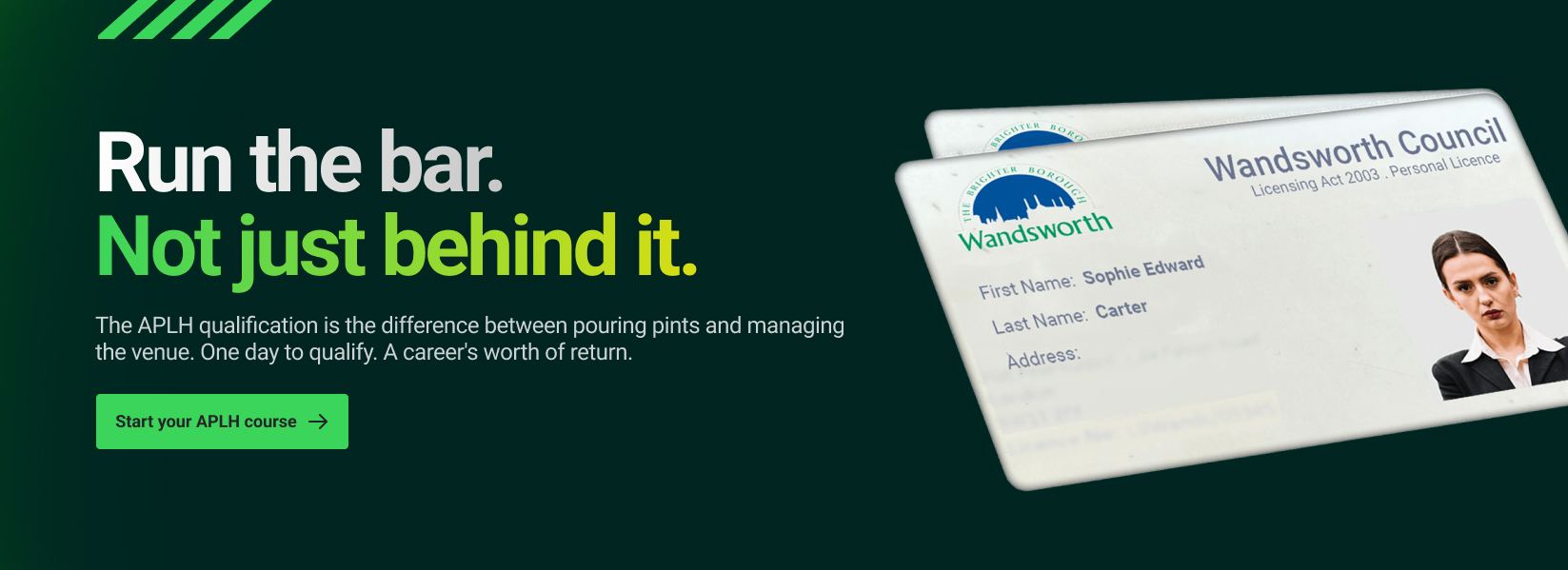
For the World Cup timeline, the online APLH course is the faster route. You can start the same day you book, complete the training at your own pace within 24 to 48 hours, and sit the exam immediately. Classroom courses are fixed to scheduled dates, which may not align with your deadline.
Book your APLH course with Get Licensed to get started today.
Step 3: Get Your DBS Check Sorted
This is the step that catches most people out, because the DBS certificate must be dated less than one calendar month before the date you submit your application. Apply too early, and it expires before you can use it. Apply too late, and your council application sits on hold.
You need a basic DBS check, which shows any unspent convictions. You can apply for one online through the GOV.UK website. The cost is currently £18, and most checks are returned within 14 days, though some take longer.
The best strategy is to apply for your DBS check the same week you book your APLH course. By the time your certificate arrives and your paperwork is ready, your DBS will be fresh and within the one-month window.
For a fuller explanation, see our guide on DBS checks for personal licences.
Step 4: Submit Your Application to Your Local Council
Once you have passed your APLH exam and received your DBS check, you need to assemble the following documents and submit them to the licensing team at the council for the area where you live (not where you work):
- Your completed application form and disclosure form, available from your council’s website
- Your original APLH certificate (not a photocopy)
- Your basic DBS check is dated within the last month
- Two passport-sized photographs, one signed by you and the other endorsed by a person of standing in the community (a solicitor, doctor, teacher, or other qualified professional)
- Proof of your right to work in the UK
- The £37 application fee
The countersigned photograph is the second thing that catches people out. The countersignatory must confirm that the photograph is a true likeness of you, and there is specific wording required on the back of the photo. Our guide on who can sign personal licence photos covers the full list of eligible professions and exactly what they need to write.
Once submitted, the council will notify the police. If there are no objections, your licence is typically granted within two to four weeks. If the police object on the grounds of the crime prevention objective, a hearing will be arranged.
If you would rather skip the paperwork, the Get Licensed EasyApply service handles the entire application on your behalf, from the DBS check to the council submission, so it gets done right the first time.
What Happens After You Receive Your Licence
Your personal licence is a physical document issued by your council. It contains your name, photograph, a unique licence number, the issuing authority, and the date of issue. Keep it safe, as you may need to produce it on request.
A few things to know:
Your licence does not expire. Since the Deregulation Act 2015 came into effect on 1 April 2015, personal licences in England and Wales are valid indefinitely. There is no renewal process and no renewal fee.
It is fully portable. The licence belongs to you, not your venue. You can use it at any licensed premises in England and Wales, and it stays with you if you change jobs. This is one of the main benefits of holding a personal licence and is one reason it is such a strong addition to a hospitality CV.
You have ongoing responsibilities. You must notify your council if you change your name or home address. Failure to do so is a criminal offence. The fee for updating details, or for replacing a lost licence, is typically £10.50.
Your licence can be suspended or revoked. If you are convicted of a relevant offence, a court can suspend your licence for up to six months or revoke it entirely. For the full picture, see our guide on whether a personal licence can be suspended or revoked.
What If You Miss the Kick-Off Deadline?
If you are reading this in late May or early June and worried you have left it too late, here is the honest assessment.
The tournament runs for six weeks. Even if your licence does not arrive in time for kick-off on 11 June, getting qualified for the latter half of the tournament still leaves you positioned for the knockout rounds, which is when venue demand peaks. The quarter-finals, semi-finals, and final are the highest-revenue match days of the entire tournament, and many venues will be looking for qualified support staff right up to the final on 19 July.
Beyond the tournament itself, the personal licence is a long-term qualification that does not expire. The World Cup is the catalyst, but the qualification pays back across every busy weekend, bank holiday, and major event for the rest of your career.
If you are starting late, prioritise the online APLH course (faster than classroom) and use the EasyApply service to take the paperwork off your plate.
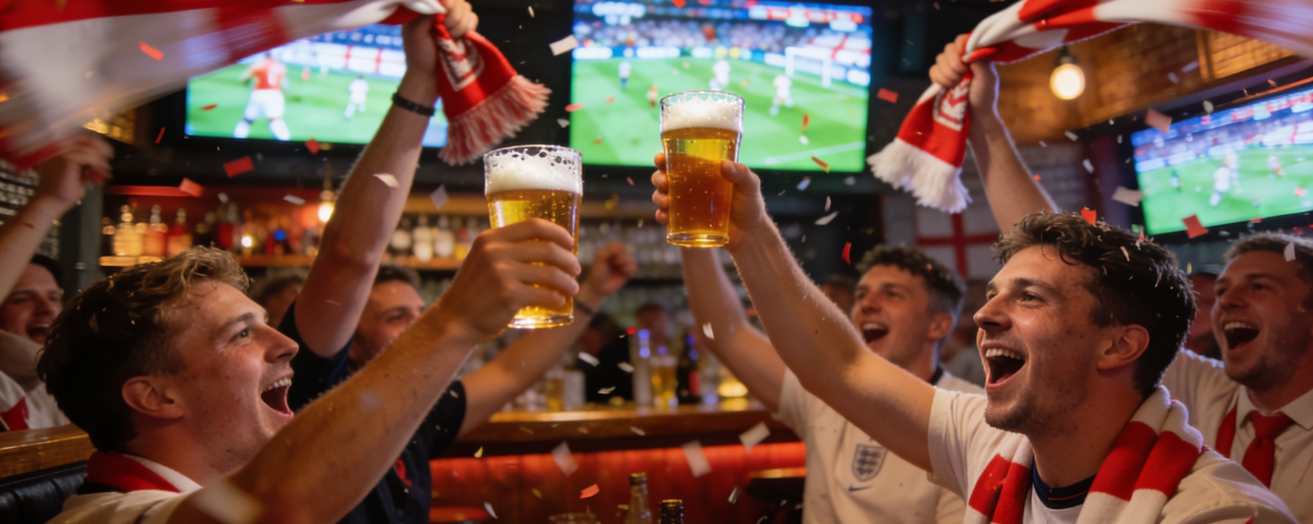
Your Next Step
The 2026 World Cup kicks off on 11 June. The APLH course is the first move, and everything else flows from there.
Book your APLH course today and start the process. If you would rather have us handle the council application for you, the EasyApply service takes care of the DBS check, paperwork, and submission so you can focus on the course.
Frequently Asked Questions
Three to six weeks from start to finish in most cases. The course is one day, the DBS check takes one to two weeks, and the council processing takes two to four weeks. See our full guide on how long it takes to get a personal licence.
Yes. The online APLH course leads to the same accredited qualification as the classroom version and is usually the faster option if you are working to a deadline.
A personal licence is granted to an individual and authorises that person to sell or supply alcohol. A premises licence is granted to a specific building and authorises licensable activities at that location. Most venues need both. Read more in our guide to premises licences.
No. Only the Designated Premises Supervisor must hold a personal licence. Other staff can serve alcohol under the general authority of a licence holder. However, having multiple personal licence holders on a team is good practice, especially during periods of extended hours.
Many hospitality employers will fund the course and application costs for staff being developed into supervisory or DPS roles. It is worth asking, particularly given how much demand the World Cup will place on qualified personnel.
This is fine, as long as the DBS check is still less than one calendar month old when you submit your full application. The order in which the documents arrive does not matter, only their dates at the point of submission.
No. Scotland operates under a separate licensing system under the Licensing (Scotland) Act 2005. To sell alcohol in Scotland, you need the Scottish Certificate for Personal Licence Holders (SCPLH).