




Most people see the personal licence as compliance, a qualification you get to be allowed to manage a bar. The 2026 World Cup changes the calculation. Extended licensing hours have been confirmed, hospitality demand is rising, and the labour market for qualified personnel is tight. This guide explains why the tournament is the most commercially significant moment in years to get your personal licence, and why the return on a £150 to £250 investment is rarely clearer than it is right now.
There is rarely a bad time to get a personal licence. The qualification opens up management roles, increases earning potential, and gives you the legal authority to take responsibility for the sale of alcohol. For most people in hospitality, it is a logical next step in a career.
But there are moments when the case for getting qualified is sharper than usual, when the timing turns a sensible career move into a clear commercial opportunity. The 2026 World Cup is one of those moments.
This guide explains why.
Key Insights
- The 2026 World Cup runs from 11 June to 19 July, six weeks of sustained hospitality demand and the largest sporting event hosted by a tournament in recent memory.
- The Home Secretary has confirmed extended licensing hours for home nation knockout matches in England and Wales, creating a clear late-night trading window.
- The hospitality sector is short on qualified Designated Premises Supervisors, with venues actively recruiting personal licence holders for the tournament period.
- Personal licence holders typically command higher pay and earlier promotion than unqualified colleagues in the same venues.
- The qualification does not expire, so the World Cup is the catalyst but the qualification pays back across every busy weekend, bank holiday, and major event for the rest of your career.
- Total cost is typically £150 to £250, an amount many holders recoup within weeks of getting qualified.
Why This Tournament Is Different
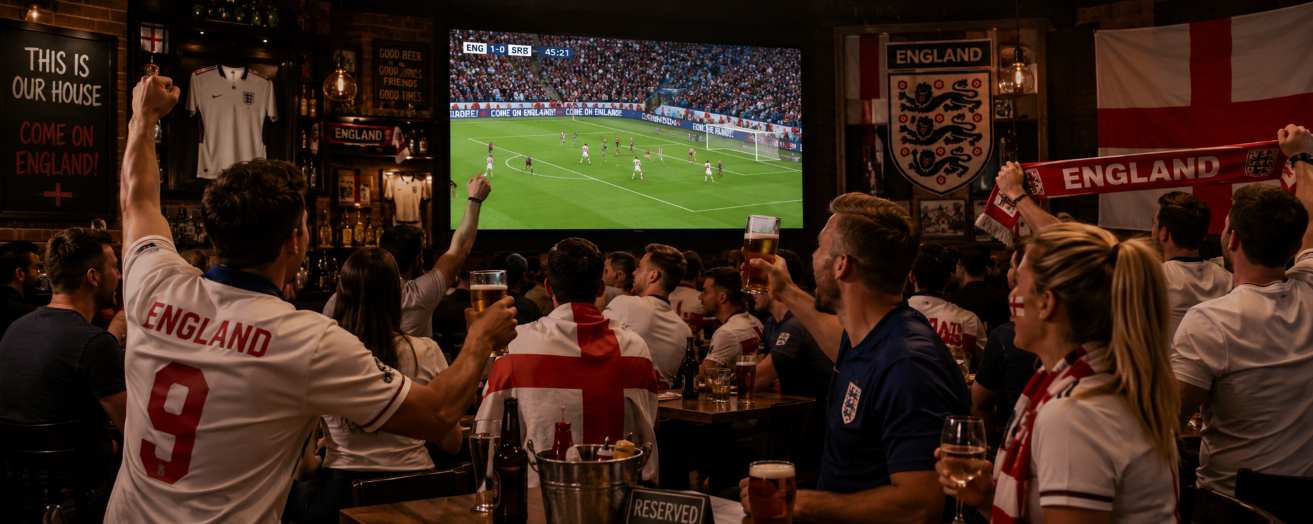
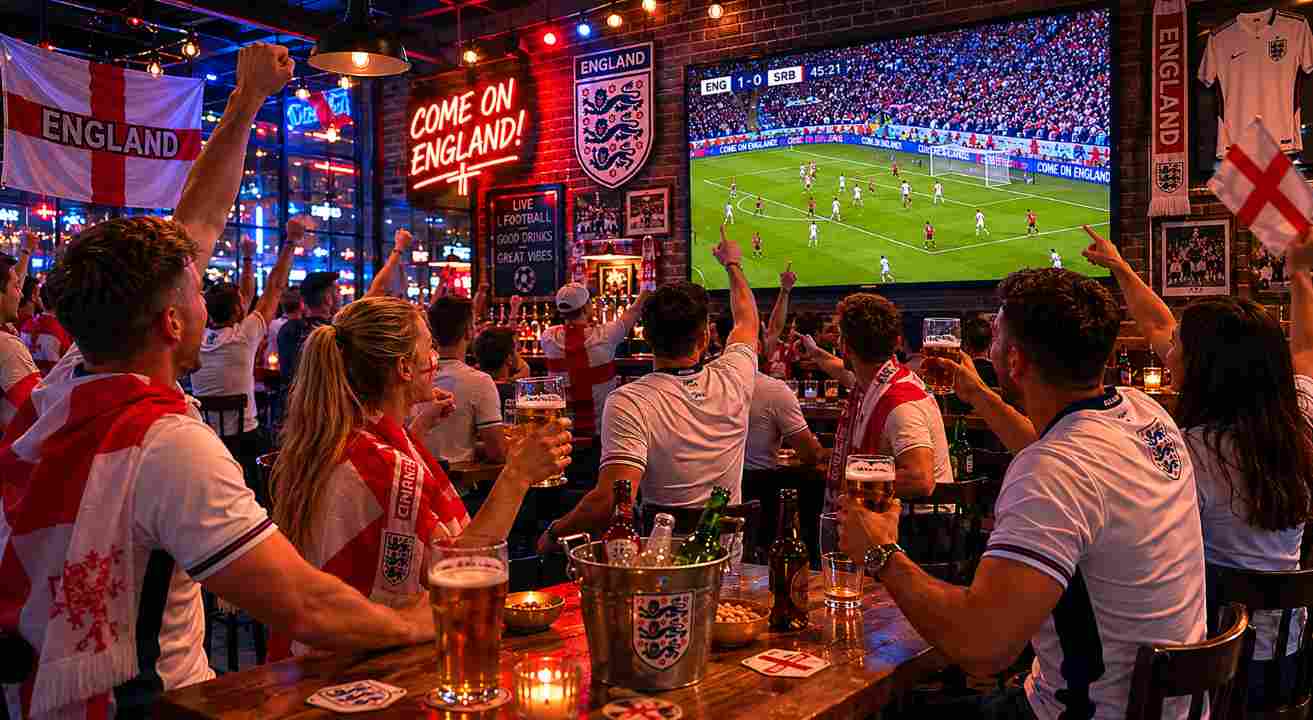
To understand why this tournament matters more than most, look at the time zones. The 2026 World Cup is being hosted across the United States, Canada, and Mexico, with kick-off times five to eight hours behind UK time. Many of the knockout matches that British supporters most want to watch will start after 8pm UK time and finish well past midnight.
In response, the government has confirmed a Licensing Hours Order allowing pubs in England and Wales to stay open until 1 am for home nation knockout matches kicking off between 5 pm and 9 pm, and until 2 am for matches starting between 9 pm and 10 pm. The extension applies automatically to qualifying fixtures and removes the need to submit a Temporary Event Notice for each one.
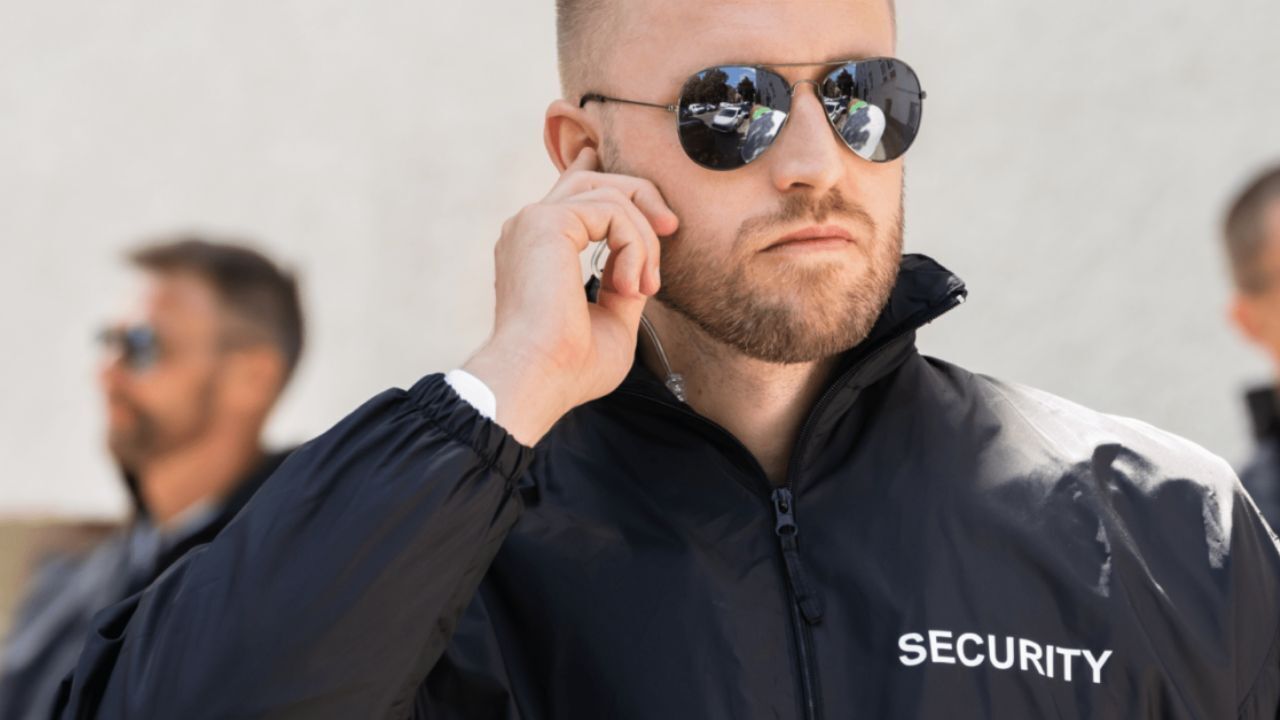
But none of that opportunity is unlocked without a personal licence holder responsible for the extended trading. Every premises licence requires a named Designated Premises Supervisor who holds a personal licence, and venues operating extended hours during high-intensity periods often need multiple qualified people on the team to cover shifts safely.
This is where the labour market becomes interesting.
5 Reasons to Get Your Personal Licence Now
Extended Hours Create a Commercial Window that Needs Covering
The government’s Licensing Hours Order is in effect, but it is conditional on having qualified personnel in place. Venue managers planning to extend their trading for the knockout rounds are actively looking for additional personal licence holders to cover the late shifts. If you hold the qualification, you become significantly more employable for the tournament window and for every major event that follows.
Hospitality is Short on Qualified Personnel
The pattern before every major tournament is the same. Venues realise they need extra qualified staff to cover the period, and the supply of personal licence holders does not move fast enough to meet demand. The result is a window where qualified individuals can command better rates, more shifts, and earlier promotion than they would in a normal trading month.
Personal Licence Holders Earn More
Across the hospitality sector, holding a personal licence is the qualification that marks the boundary between front-of-house staff and the management track. It signals to employers that you understand the legal responsibilities of alcohol sales and are qualified to take supervisory roles. This translates into pay.
Our guide on how much you can earn with a personal licence explores the salary uplift in detail.
The Qualification Opens Up Pop-Up and Event Work
The World Cup is not just a pub event. Fan zones, private hospitality, corporate viewing events, and one-off venues all need somebody qualified to authorise the sale of alcohol. For independent operators or anyone considering running their own pop-up, the personal licence is the foundation. Combined with a Temporary Event Notice, it lets you trade legally at events not covered by a permanent premises licence.
The Qualification Does Not Expire
Since the Deregulation Act 2015 came into effect on 1 April 2015, personal licences in England and Wales are valid indefinitely. There is no renewal fee, no refresher requirement, and no expiry date. This is critical to the commercial case. The World Cup is the immediate catalyst, but the qualification will continue to pay back across every busy weekend, bank holiday, festival, and major event for the rest of your career. Five years from now, you will still be benefiting from a one-day course completed in 2026.
What the World Cup Means For Your Earning Potential
The financial case for getting qualified is straightforward when you map it against the tournament window:
For employed hospitality workers, a personal licence typically unlocks a pay band uplift, eligibility for DPS roles, and access to overtime during periods of extended trading. During the tournament’s six-week window, venues running late shifts will typically be offering premium rates to qualified personnel.
For venue owners and operators, holding the personal licence yourself or having multiple qualified people on the team removes operational constraints. You can extend trading for every covered fixture without paying for TENs and without scheduling around a single DPS.
For independent operators, the personal licence is the prerequisite for running your own pop-up, taking on private hospitality work, or trading at fan zones. The margins on a well-located World Cup pop-up can recoup the cost of the qualification many times over.
The Cost vs The Return
The total cost of getting a personal licence, from APLH course through to council approval, is typically £150 to £250, depending on which course package you choose and whether you handle the application paperwork yourself or use a service.
The course fee, the £37 application fee, the £18 DBS check, and the £10 or so for photos and postage are the main components. Many hospitality employers will fund the cost for staff being developed into supervisory roles, so it is worth asking your manager before paying out of pocket.
Against the cost, the upside is hard to ignore. A single shift uplift, one promotion, or one weekend of pop-up trading during the tournament can recover the full investment. Beyond the tournament, every shift, every busy weekend, and every major event for the rest of your career runs through the same qualification.
How Quickly Can You Be Qualified?
The full process from booking your course to receiving your licence takes three to six weeks. The APLH course itself is one day, and the online version can be started the same day you book. The slower stages are the DBS check (one to two weeks) and the council processing (two to four weeks).
For a detailed walkthrough of the four steps and the timeline, see our guide on how to get a personal licence before the World Cup kicks off.
If you would rather have us handle the council application for you, the Get Licensed EasyApply service takes care of the DBS check, paperwork, and submission, so you can focus on getting qualified.
Your Next Step
The 2026 World Cup begins on 11 June. Anyone getting qualified now has time to be fully licensed before kick-off, in place to take advantage of the extended trading hours, and positioned for the labour market squeeze during the tournament window.
Book your APLH course today and start the process. If you want the application handled end to end, the EasyApply service takes the council paperwork off your plate.