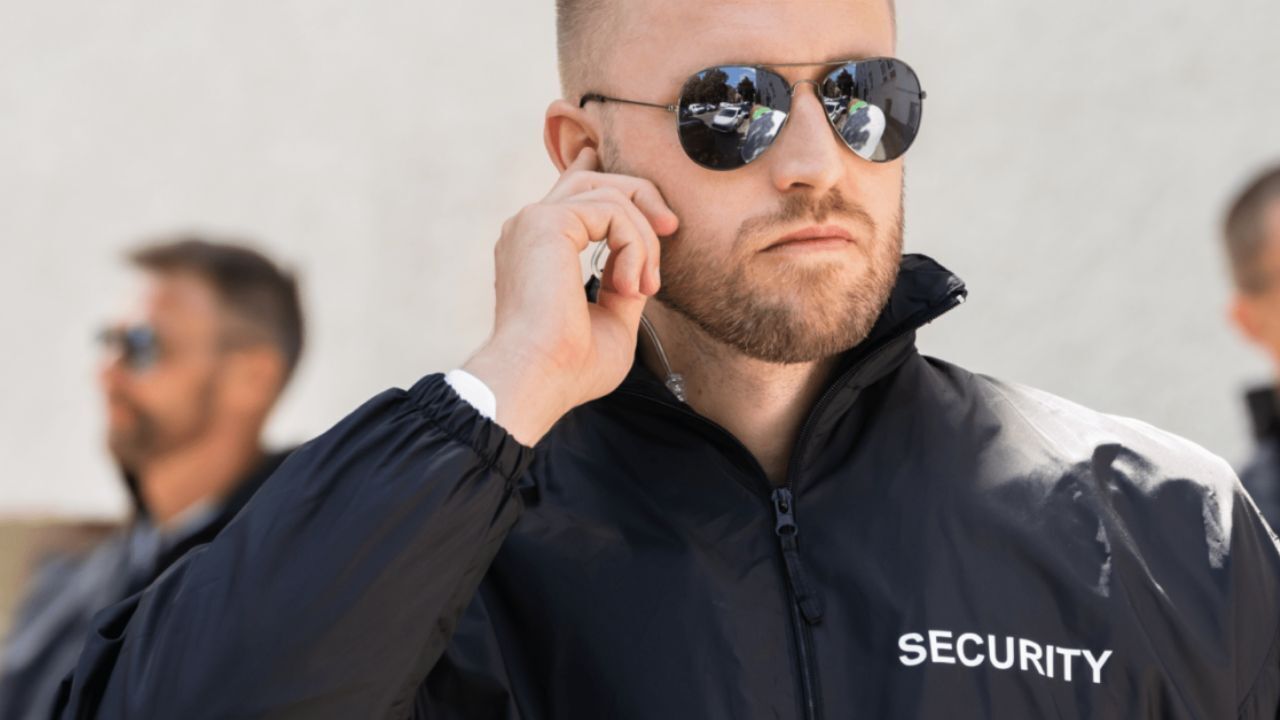




If you work in security, you have probably heard the name Martyn’s Law mentioned more and more over the past year. Maybe in the news, on a training course, or in job descriptions. But there is still a lot of confusion about what it actually means, when it kicks in, and, most importantly, what it means for you.
Here is the short version: Martyn’s Law is the biggest change to venue security regulation in the UK in decades, and it is going to create significant demand for trained, qualified security workers. If you already hold an SIA licence or you are thinking about getting one, this is something you need to understand.
What Is Martyn’s Law?
Martyn’s Law is the common name for the Terrorism (Protection of Premises) Act 2025. It is named after Martyn Hett, one of the 22 people killed in the Manchester Arena bombing on 22 May 2017. His mother, Figen Murray, spent years campaigning for legislation that would require public venues to take meaningful steps to protect people from terrorist attacks.
That campaign succeeded. The Act received Royal Assent on 3 April 2025 and applies across England, Wales, Scotland and Northern Ireland. Here are the key facts:
- It introduces mandatory security obligations for venues and events above certain capacity thresholds
- The SIA has been appointed as the regulator responsible for overseeing compliance
- There is a minimum two-year implementation period from Royal Assent, meaning the earliest enforcement date is spring 2027
How Does the Two-Tier System Work?
Martyn’s Law creates two levels of obligation depending on how many people a premises can hold. The capacity figure includes everyone on site — staff, customers, visitors, contractors — not just the public.
Standard Duty (200–799 Capacity)
These venues need to:
- Notify the SIA that they are in scope
- Put public protection procedures in place — clear plans for evacuation, invacuation (moving people to a safe area inside the building), lockdown, and communication with the emergency services
According to the Home Office factsheet, these are “simple, low-cost activities” centred around investing time rather than money. Standard duty venues do not need to install physical security measures.
Enhanced Duty (800+ Capacity)
These venues have to do everything standard duty requires, plus:
- Carry out terrorism risk assessments
- Implement physical public protection measures to reduce vulnerability and the risk of harm
- Document everything and provide that documentation to the SIA
- Appoint a designated senior individual who is personally responsible for compliance
Enhanced duty also applies to qualifying events — public events with a capacity of 800+ where entry conditions are checked, such as ticketed festivals and concerts.
Which Venues Are Covered?
The Act covers 14 categories of premises under Schedule 1, including shops, restaurants, pubs, hotels, entertainment venues, sports grounds, conference centres, museums, places of worship, hospitals, transport stations, schools, universities, and visitor attractions.
If a venue falls into one of these categories and meets the capacity threshold, it is likely in scope.

What Does This Mean for Security Professionals?
This is where it gets interesting. Think about the sheer number of venues that will be affected. Every pub, hotel, leisure centre, conference venue, sports ground, and entertainment space in the UK with a capacity of 200 or more will need public protection procedures in place. The larger ones will need physical security measures, documented risk assessments, and a named compliance lead.
Many of these venues have never had formal security arrangements before. A mid-sized pub that holds 250 people on a busy Saturday night has probably never thought about invacuation procedures. A conference centre hosting 1,000-person events will need someone who can carry out a proper terrorism risk assessment.
That is where you come in. The demand for people who understand counter-terrorism principles, venue risk assessment, evacuation management, and public protection procedures is going to increase as the enforcement date approaches.
If you are already SIA-licensed, your existing qualifications give you a strong foundation — SIA training already includes counter-terrorism content. The officers who invest in keeping their skills current, particularly around crisis management and counter-terrorism awareness, will be best positioned to take advantage of the opportunities this creates.
What Else Is Changing?
The SIA is also running its biggest qualification review in years, examining every licence-linked qualification, including counter-terrorism modules. New qualifications are expected to go live in spring 2027 — the same window as Martyn’s Law enforcement. That means the training standards and the regulatory obligations are moving in the same direction at the same time.
On the enforcement side, venues that do not comply face significant penalties: up to £18 million for enhanced duty venues. That gives every venue in scope a strong financial reason to invest in proper security, which means more demand for trained professionals. The SIA has said it will take a proportionate and supportive approach to enforcement, so the focus is on helping venues get it right rather than catching them out.
What Should You Do Now?
Understand the Basics
You have just read this article, so you are already ahead of most people. Keep an eye on the Home Office factsheets and the SIA’s updates as the implementation progresses.
Get Qualified
If you do not yet hold an SIA licence, now is a strong time to get started. Demand for licensed security professionals is set to grow as the enforcement date approaches, and the earlier you qualify, the more experience you will have when venues start hiring.
If you are already licensed, make sure your qualifications are up to date and consider whether additional training in counter-terrorism awareness or close protection could open up new opportunities.
Recommended Reading: SIA Licence Renewal Checklist

Get Trained, Licensed, & Ready for the Upcoming Regulations
Martyn’s Law exists because 22 people went to a concert and never came home. The legislation that carries Martyn Hett’s name is designed to make sure public venues take the threat of terrorism seriously. For security professionals, that means your skills, your training, and your presence at these venues matters more than ever.
Book your SIA training today and become a security professional that business owners and venue operators can rely on.