


The personal licence can seem straightforward, but several common myths and misconceptions can catch even seasoned hospitality professionals off guard. It’s easy to assume you know the rules, but small misunderstandings can lead to rejected applications or compliance issues down the line.
While our complete guide to getting a personal licence covers the full process, this article debunks some of the most persistent myths. Here are 7 personal licence facts you might not know.
Not Everyone Who Serves Alcohol Needs One
Think that every person who sells alcohol needs a personal licence? Think again.
Not every person who sells alcohol at licensed premises (for example, bar staff) will need to hold a personal licence, but every sale must be authorised by someone who does. This is why having personal licence holders on a team is crucial, especially the Designated Premises Supervisor (DPS), who must hold one.
It’s Valid Forever in England and Wales
Once you get yourself a personal licence, you’ll be holding on to it for a pretty long time. An entire lifespan, actually. This means you don’t need to renew it, unlike a lot of other licences. Talk about longevity.
Unlike many other qualifications that require periodic renewal, a personal licence issued in England or Wales is valid indefinitely. As we cover in our guide on how long a personal licence lasts, the requirement to renew every 10 years was abolished in 2015. It’s a lifelong qualification, though it can still be suspended or revoked if you commit a relevant offence.
It’s Portable Across England and Wales
Thinking of making that move from London to sunny Brighton? Well, be sure to pack your personal licence too. Personal licences are portable, which means a licence holder can authorise sales of alcohol in all venues with a premises licence throughout England and Wales. Scotland, on the other hand, has their own licensing policy.
In other words, your personal licence is not tied to a specific venue. It is a portable qualification that belongs to you. This means you can authorise alcohol sales at any licensed premises in the UK regions mentioned above, whether it’s a pub in London, a restaurant in Manchester, or a festival in Brighton. This portability is one of the key benefits of getting a personal licence, as it makes you a more flexible and valuable employee.
You Must Pass an Exam Before You Can Apply
Here’s another personal licence fact: you can’t simply apply for a personal licence without prior training. You must first earn the required qualification: the Award for Personal Licence Holders (APLH). This involves a one-day training course and a multiple-choice exam to test your understanding of the Licensing Act 2003 and your legal responsibilities. Only once you have your APLH certificate can you submit your application.
Check out our APLH mock exams to get a glimpse into what the real test looks like.
You Apply to the Council Where You Live, Not Where You Work
This is one of the most common mistakes applicants make. Many assume the application must be sent to the council governing the venue where they work. In fact, your personal licence application must be submitted to the licensing authority for the area where you live. The licence is personal to you, so it’s tied to your residential address, not your employer’s.
You Don’t Need a Personal Licence for a One-Off Event (But It Helps)
Thinking of holding a one-off spectacle filled to the brim with alcohol and paying guests? In this case, you won’t need to apply for a personal licence at all.
If you’re planning a single, small-scale event involving alcohol sales, you can operate using a Temporary Event Notice (TEN). You don’t need a personal licence to apply for a TEN. However, if you do hold a personal licence, the number of TENs you can be granted in a calendar year increases dramatically from 5 to 50. This is a huge advantage for anyone involved in pop-ups, mobile bars, or event planning.
You don’t need a personal licence to sell alcohol under a temporary event notice (TEN), but if you do hold a personal licence, the number of TENs you can serve in a year will increase from 5 to 50.
Every Licensed Premise Must Have a DPS
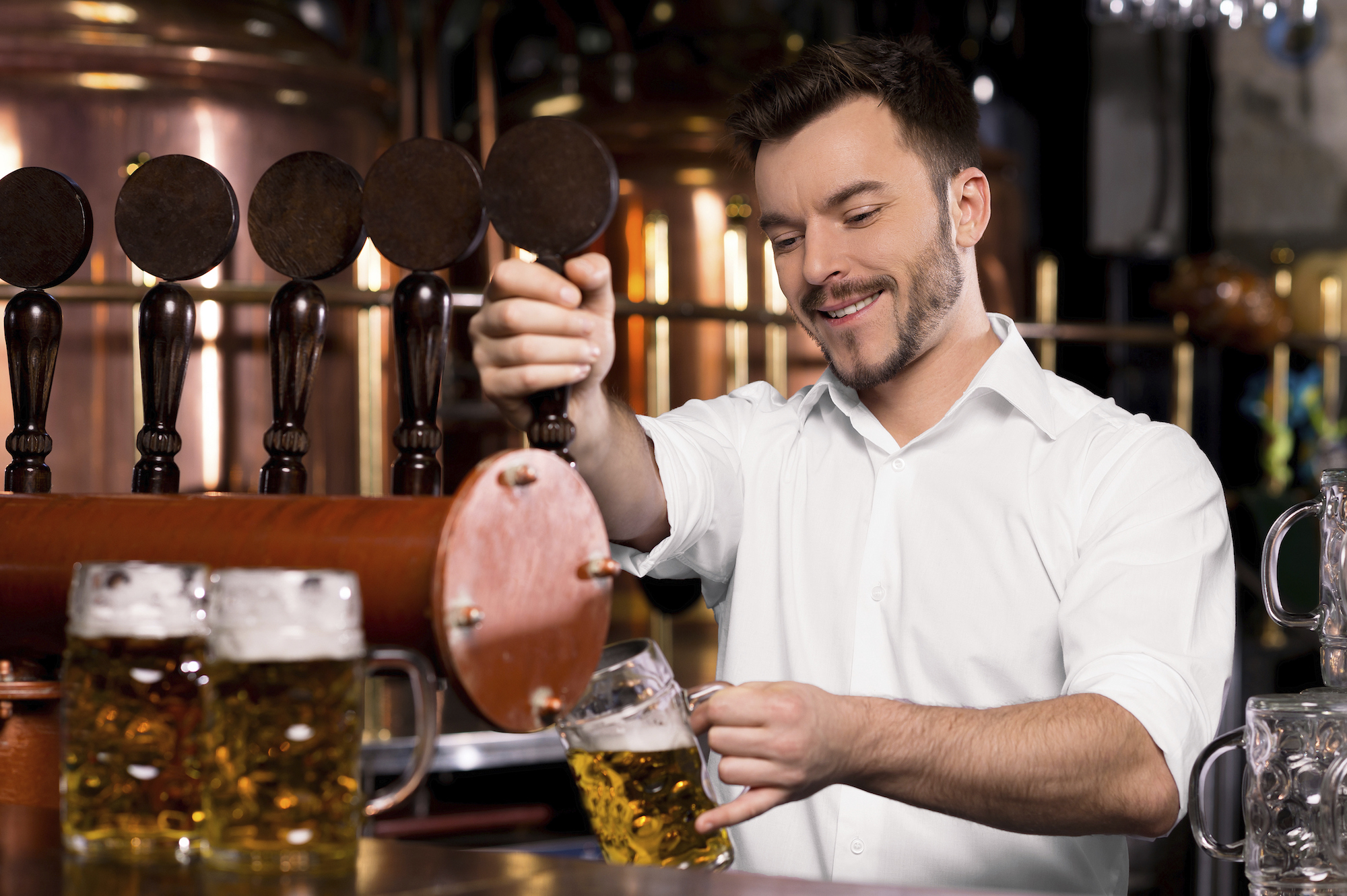
Another personal licence fact many people don’t know is that every venue that sells alcohol must name a Designated Premises Supervisor (DPS) on its premises licence. This individual is the primary point of contact for police and licensing authorities. They have the day-to-day responsibility for the sale of alcohol.
The DPS must hold a personal licence, and they will be responsible, along with the premises licence holder, for authorising the sale of alcohol at the premises. It is a non-negotiable legal requirement.
Ready to Get Qualified?
Navigating the rules of alcohol licensing is easier when you have the right training. The APLH course is the essential first step to becoming a personal licence holder and advancing your career.
Book your personal licence course with Get Licensed today and gain the qualification you need to succeed.