




If you hold an SIA licence and you’ve been watching council budgets shrink while shoplifting and anti-social behaviour climb, you’ll have spotted the gap. Now, a police and crime commissioner is proposing to fill it with private security on the public payroll.
According to BBC News, the commissioner wants to fund 20 to 30 private ‘street marshals’ at a cost of around £2 million over 18 months. Critics are already calling it a gimmick. Officers on the ground are calling it something else: a job opportunity.
What a ‘Street Marshal’ Actually Does
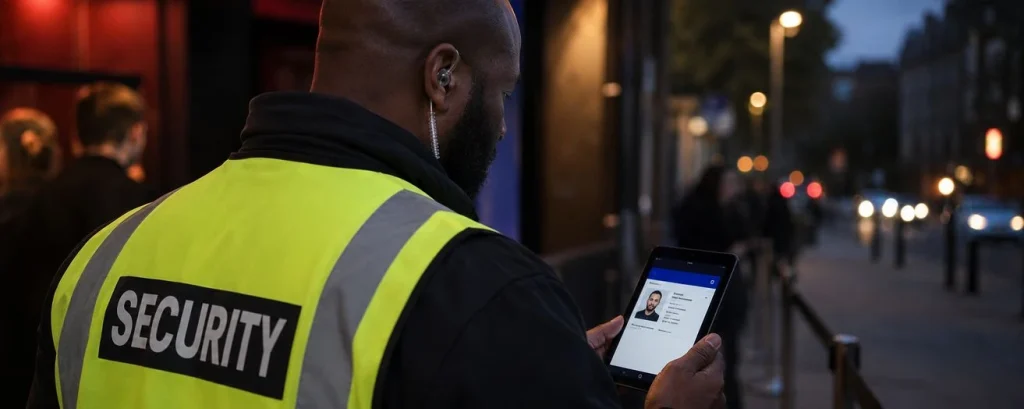
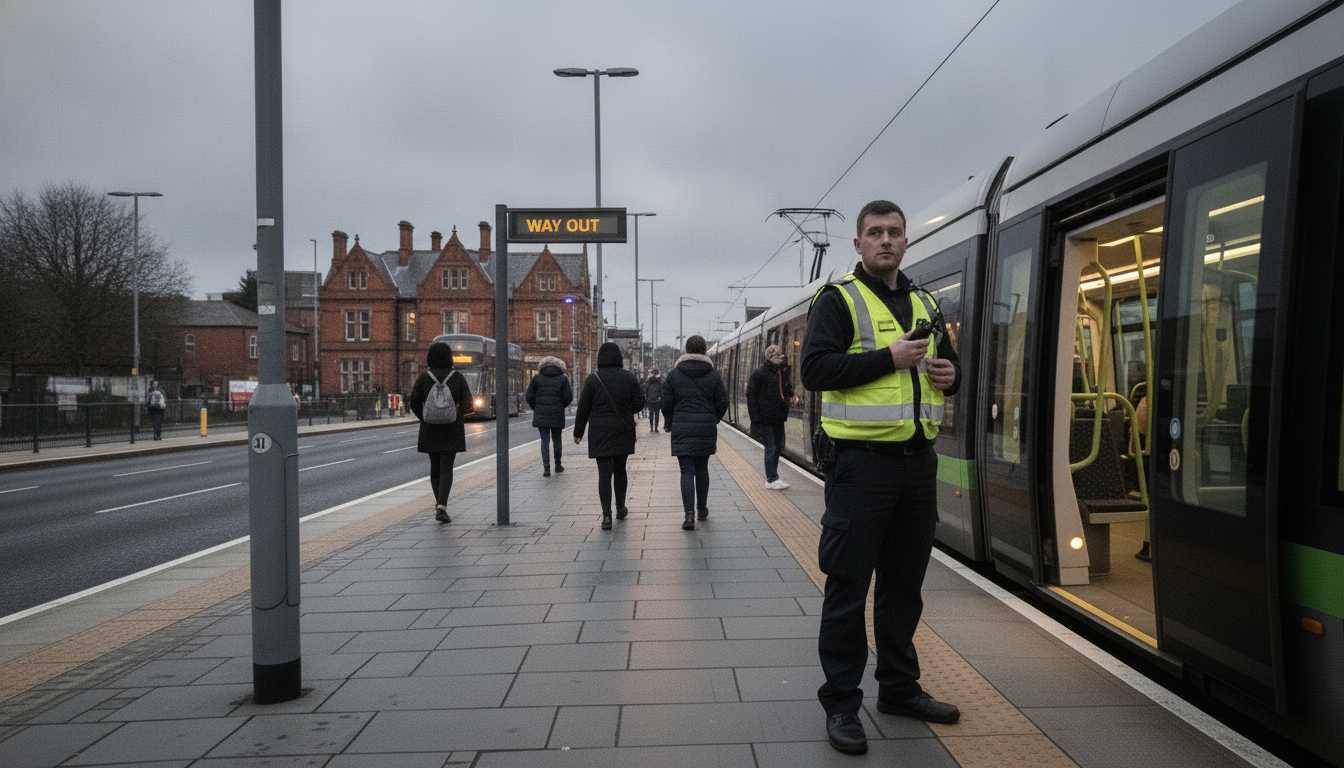
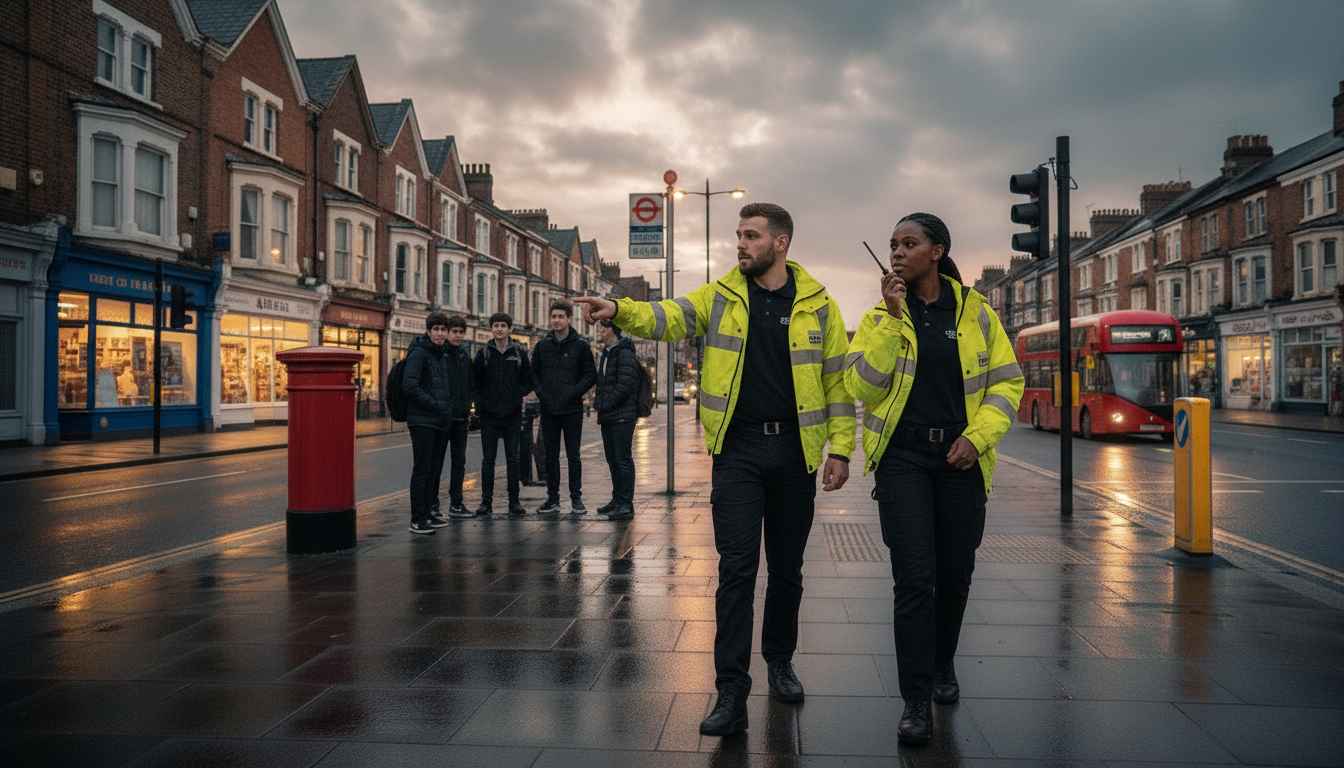
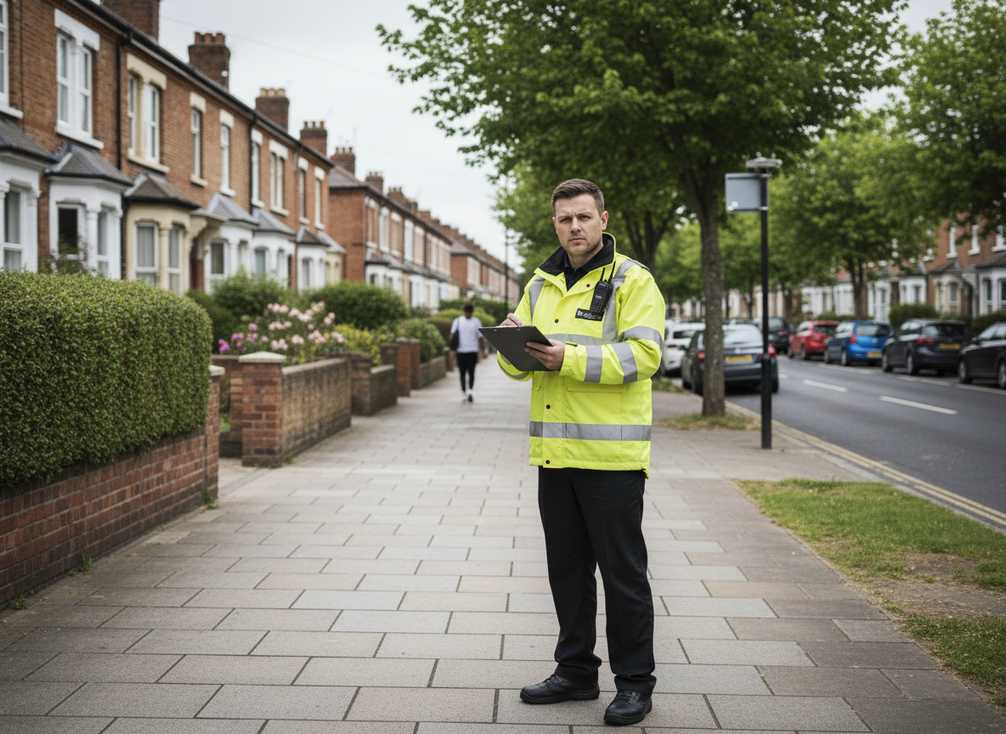
Street marshals aren’t police. They have no powers of arrest beyond what any citizen has. They don’t carry batons or cuffs. What they do is walk a beat — usually a high street, a market square, or a town centre — and act as a visible deterrent.
Day-to-day, the role typically involves:
- Patrolling a defined area on foot, often in pairs
- Reporting incidents to the police via radio or a control room
- Helping vulnerable people — lost tourists, rough sleepers, drunk teenagers
- Liaising with shop staff about prolific shoplifters
- Writing up incident logs at the end of each shift
It’s closer to a town centre ambassador role than a door job. The pace is slower. The paperwork is heavier. The public interaction is constant.
Why Councils Are Turning to Private Security
The maths is brutal. A police officer costs a force roughly £55,000 a year once you factor in pension, training and kit. A licensed security officer on a council contract typically costs the buyer £18 to £25 an hour all-in. Councils get visible boots on the pavement at a fraction of the cost.
The BBC report notes the £2m figure works out at roughly £65,000 per marshal over 18 months — covering wages, supervision, uniforms, radios and the contractor’s margin. That’s cheaper than a single PCSO when you include overheads.
It’s also faster. Recruiting a police officer takes 18 months. Standing up a private patrol team takes about six weeks if the contractor already has SIA-licensed staff on the books.
What Licence Do You Need?
For street marshal work, you’ll need a Security Guard licence at minimum. Most contractors prefer candidates who also hold a Door Supervisor licence, because the skill set overlaps — conflict management, scanning a crowd, reading body language.
You’ll also want:
- First aid at work — councils almost always require it
- Body-worn camera training — most contracts mandate cameras now
- Safeguarding awareness — you’ll deal with vulnerable adults and children
- Clean enhanced DBS — beyond the standard SIA check
A few forward-thinking contractors are also asking for mental health first aid certificates. If you’ve got one, put it on your CV.
Recommended Reading: Which SIA Licence Do I Need?
The Pay Reality
Don’t expect London door rates. Street marshal work typically pays £12.50 to £15 an hour in the regions, £15 to £18 in city centres. The shifts are sociable — mostly daytime and early evening — which is part of the appeal for officers tired of 2 am chuck-outs.
Overtime is rare. Tips don’t exist. But you’ll sleep in your own bed every night and you won’t be wrestling anyone into a holding area.
How To Get on the Tender List
If your local council goes the same route, the contracts won’t go to individuals — they’ll go to security firms. So your job is to be on the books of a firm that bids.
Three practical steps:
- Check your council’s procurement portal. Search ‘security’ or ‘town centre patrol’ on the council website. Live tenders are public.
- Identify the bidders. Mid-sized regional security firms — not the global giants — tend to win these contracts. Look at who currently holds the council’s CCTV monitoring or building security contracts.
- Apply directly to those firms. Mention you’ve seen the tender and you’re licence-ready. Contractors love candidates who arrive understanding the contract.
Is It a Gimmick or a Career Opportunity?
Critics in the BBC piece argue that street marshals are a sticking plaster over underfunded policing. They’re not entirely wrong. But the contracts are real, the wages are real, and the shifts are getting booked.
For officers who want regular hours, daylight work and a chance to build community relationships rather than fight strangers at closing time, town centre patrols are one of the most interesting growth areas in UK private security right now.
Keep your licence current, add the extras councils ask for, and watch your local tender portal. The work is coming. If your SIA badge is expiring soon and you need to renew it, book an SIA refresher training with us to stay compliant.