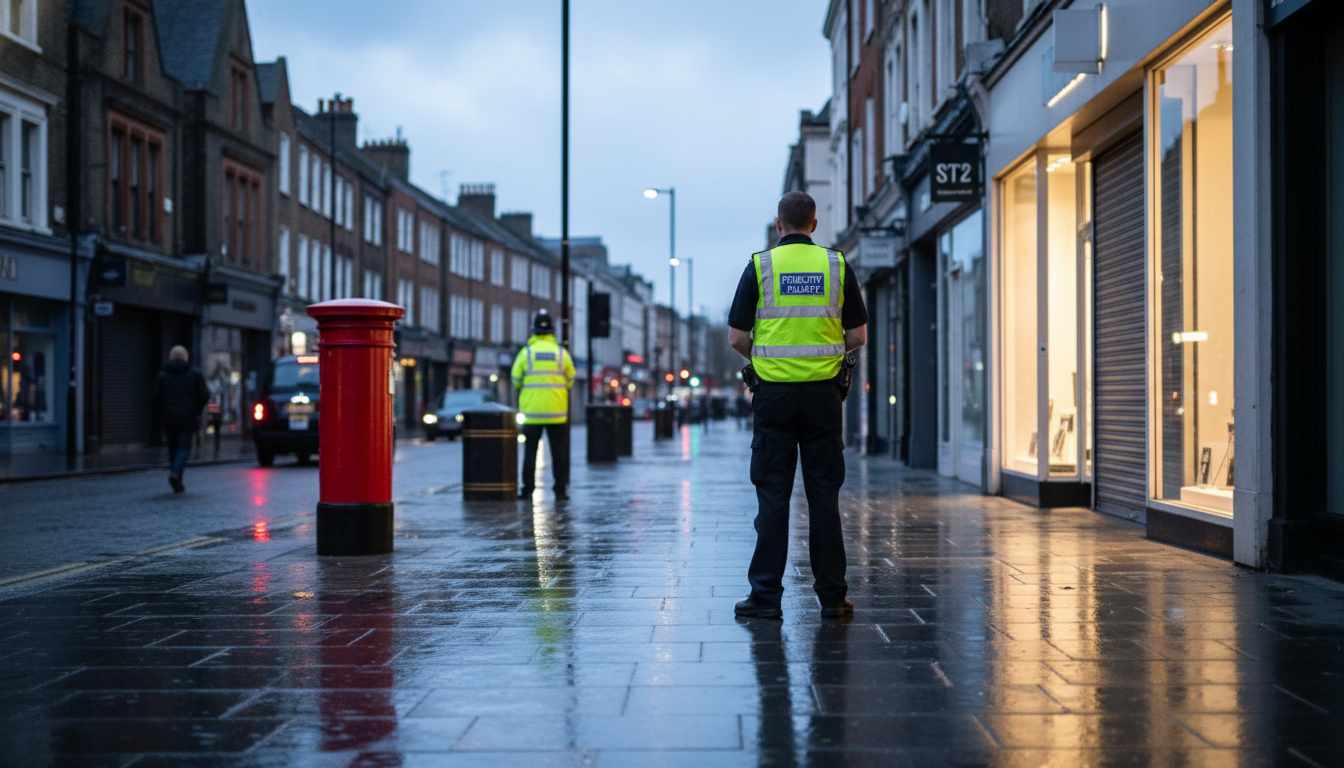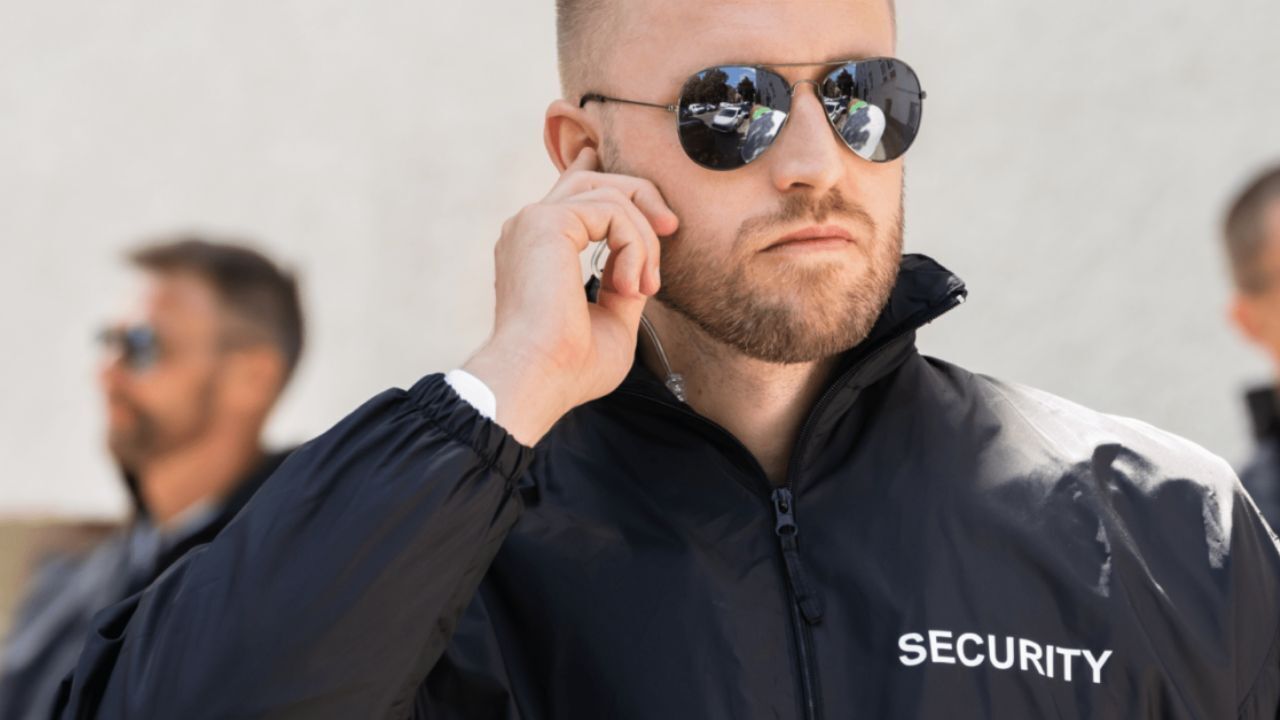


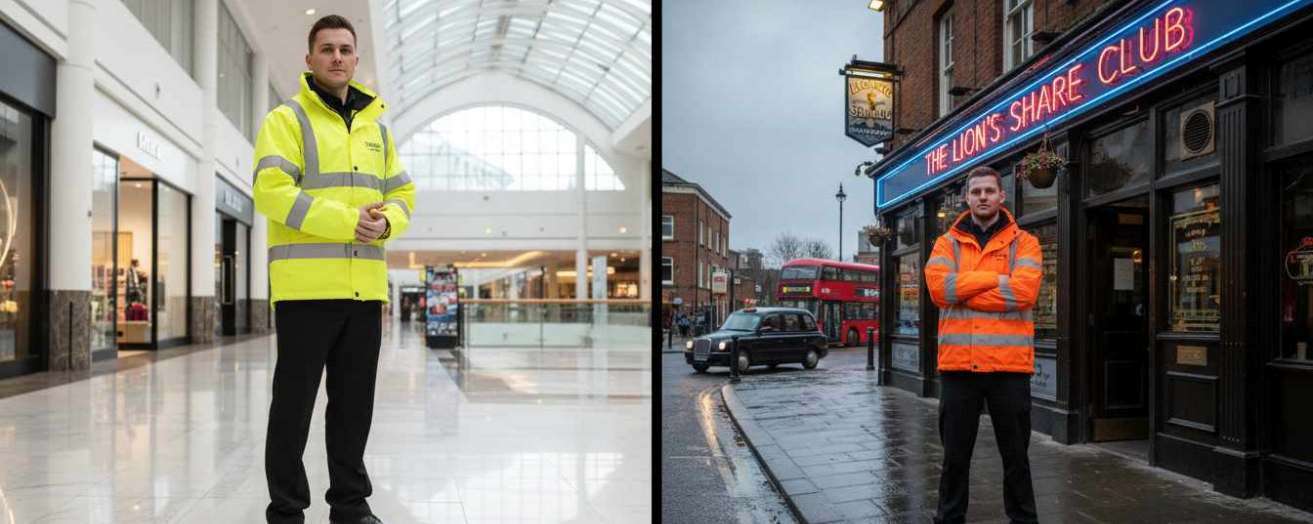


You’ve got your SIA licence — or you’re nearly there — and now you’re scrolling job boards, wondering whether to apply for the shopping centre gig or the nightclub door. Both pay roughly the same. Both want the same badge. They are not the same job.
One ends with a 3 am taxi home and a tale about a stag do gone sideways. The other ends with a 7 pm Tesco run and a stack of incident reports about shoplifters and trolley thieves. Pick the wrong one, and you’ll burn out fast. Pick the right one, and you’ve got a career.
Here’s an honest look at how retail security and venue security actually compare in 2026 — pay, powers, hours, progression, and the kind of person each role chews up or rewards.
The Basics: Same Licence, Different Worlds
Retail security officers usually hold either a Security Guarding licence or a Door Supervisor licence. Venue security — pubs, clubs, festivals, stadiums — needs a Door Supervisor licence, which covers guarding plus conflict management and physical intervention. The DS licence is the more flexible badge, which is why most new entrants are pushed towards door supervisor training first.
This means that both retail security officers and venue security officers may hold the same SIA badge, but the licence is only the start. The real difference is what your shift looks like.
A Typical Day in Retail
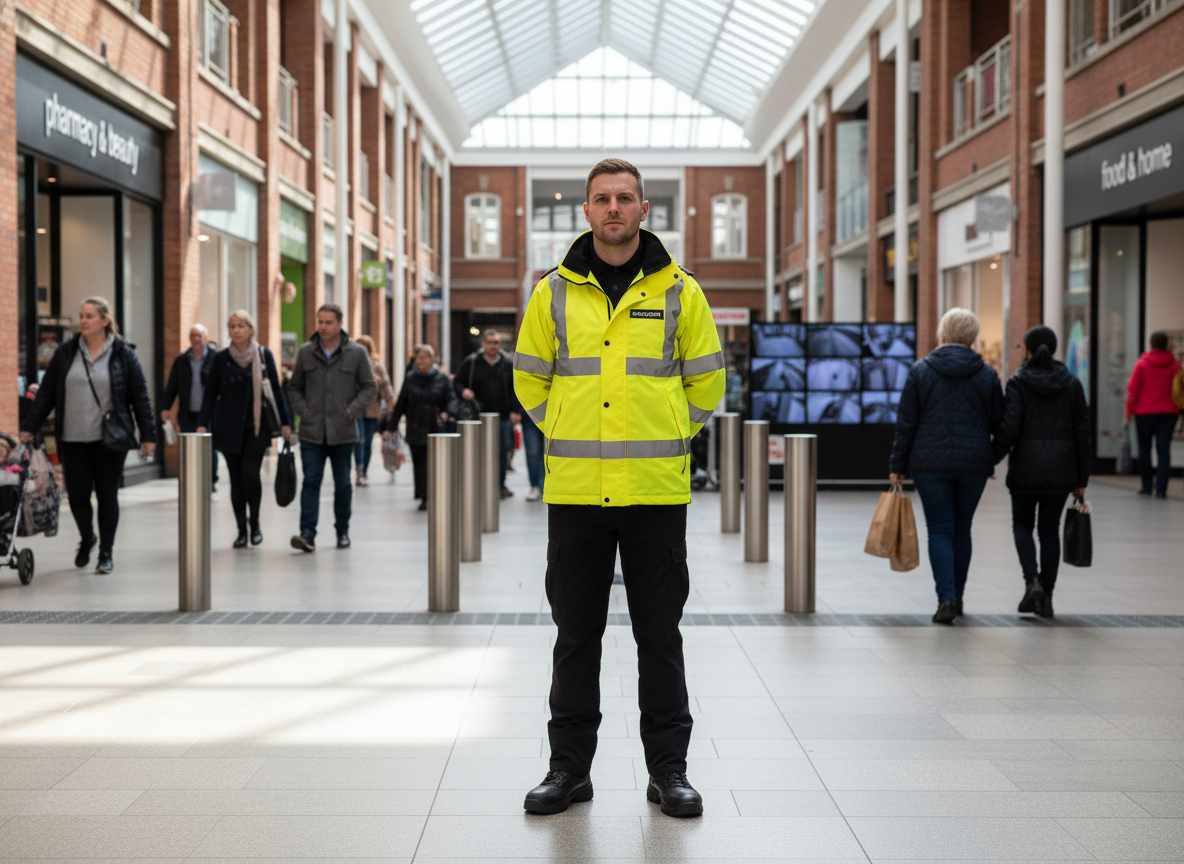
You start at 8 or 9 am. You’re on your feet for eight hours, walking a shop floor or observing from a distance. The job is 90% deterrence and observation, 10% intervention. You’re looking for known offenders, organised theft crews, and the bloke trying to walk out with three Le Creuset pans down his coat.
You’ll work with store managers, fill in incident logs, and occasionally detain someone under a citizen’s arrest until police arrive. Most days, nothing dramatic happens. That’s the point.
A Typical Night on the Door
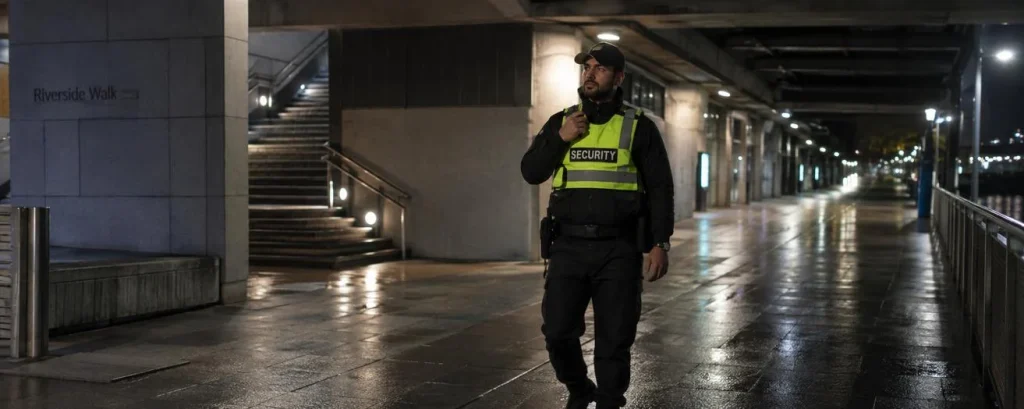
You start at 8 pm. You’re on your feet for eight hours, but the back half of the shift is loud, drunk, and unpredictable. You’re checking IDs, refusing entry, breaking up fights, looking after vulnerable customers, and managing queues in the rain.
The job is conflict management in real time. You can’t watch from afar — you’re the front line, every shift.
Pay: Closer Than You’d Think
Entry-level retail security in the UK pays roughly £12–£14 an hour in 2026, depending on location and employer. London and major shopping centres pay at the top of that range.
Door supervision pays £14–£17 an hour, with London weekend rates pushing higher. The premium reflects the unsociable hours and the higher risk profile, not a different skill ceiling.
Over a year, a full-time door supervisor working Thursday to Sunday nights can out-earn a Monday-to-Friday retail officer by £3,000–£5,000. But you’re paying for it in sleep, social life, and wear on your body.
Legal Powers and What You Can Actually Do
Both roles operate under the same basic legal framework — you’re a private citizen with a licence, not a police officer. You can:
- Refuse entry to private premises
- Ask someone to leave
- Detain someone under a citizen’s arrest for an indictable offence
- Use reasonable force in self-defence or to prevent a crime
Where the roles differ is the practical application. Retail officers lean heavily on the Theft Act and detention for shoplifting. Venue staff deal more with public order, drugs, assaults, and licensing law — refusing service to drunk customers is a legal duty under the Licensing Act 2003, not a preference.
Get either wrong and you’re personally liable. Document everything.
Physical Demands: Don’t Kid Yourself
Retail is a marathon. You’re walking miles a day on hard floors. Knees and feet take the hit. Confrontations are usually short and one-on-one — a shoplifter trying to leg it, not a 12-person brawl.
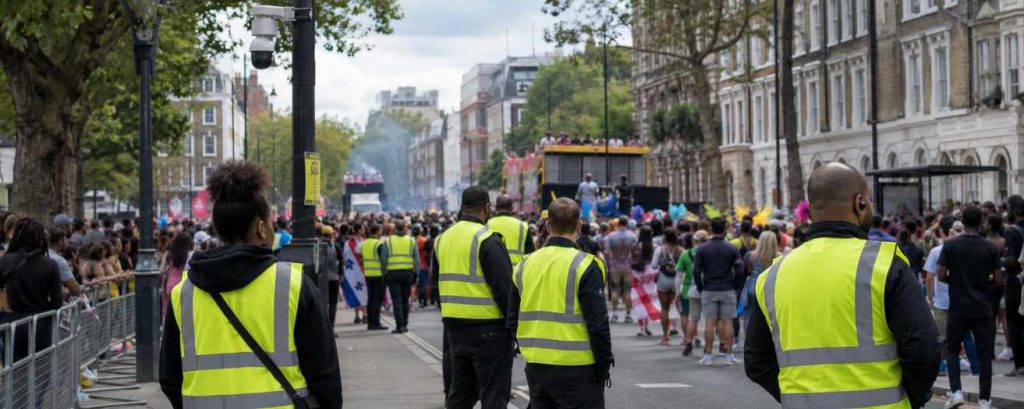
Venue work is a sprint that lasts eight hours. You’re standing in one spot, then suddenly sprinting, restraining, or de-escalating. Injuries are more common: cuts, sprains, the occasional punch. Cold weather and rain are part of the job description.
If you’ve got an old back injury or dodgy knees, retail is the safer long-term bet. If you’re young, fit, and want the adrenaline, the door pays better and teaches faster.
Progression: Where Do These Roles Lead?
Retail security has a clear ladder: officer → team leader → loss prevention manager → regional LP manager. Big retailers like John Lewis, Selfridges, and the major supermarkets run structured internal progression. You can also move sideways into corporate investigations or fraud roles, which are office-based and pay well.
Venue security branches differently. You can move into head door supervisor, venue security manager, event security coordinator, or — the big one — close protection. CP work is where door experience genuinely pays off, because you’ve already got hundreds of hours of real conflict management on your CV.
Festivals and stadium events are also a natural step up: better pay, daytime hours, and proper team structures.
Which One Suits You?
Pick retail if you want predictable hours, weekends off, a calmer pace, and a path into corporate security or loss prevention management. It suits people who like patterns, paperwork done properly, and going home at a sensible hour.
Pick venue if you’re comfortable with confrontation, you want higher hourly pay, and you’re aiming at close protection or event security long-term. It suits people who think well under pressure and don’t mind missing every Saturday night with their mates — because they’re working it.
Plenty of officers do both. A common pattern is retail Monday to Friday, venue work Friday and Saturday nights. Burnout is real, but the combined income is hard to beat in your first few years.
The Honest Answer
Neither role is better. They reward different temperaments. The mistake is assuming the licence makes you ready for either — it doesn’t. Shadow a shift before you commit, talk to officers actually doing the job, and be honest about what you’ll tolerate at 2 am on a random night.
The badge is the easy part. Picking the right uniform to wear it on is what makes the career.
Book an SIA training course today to pivot towards your chosen career path in security.