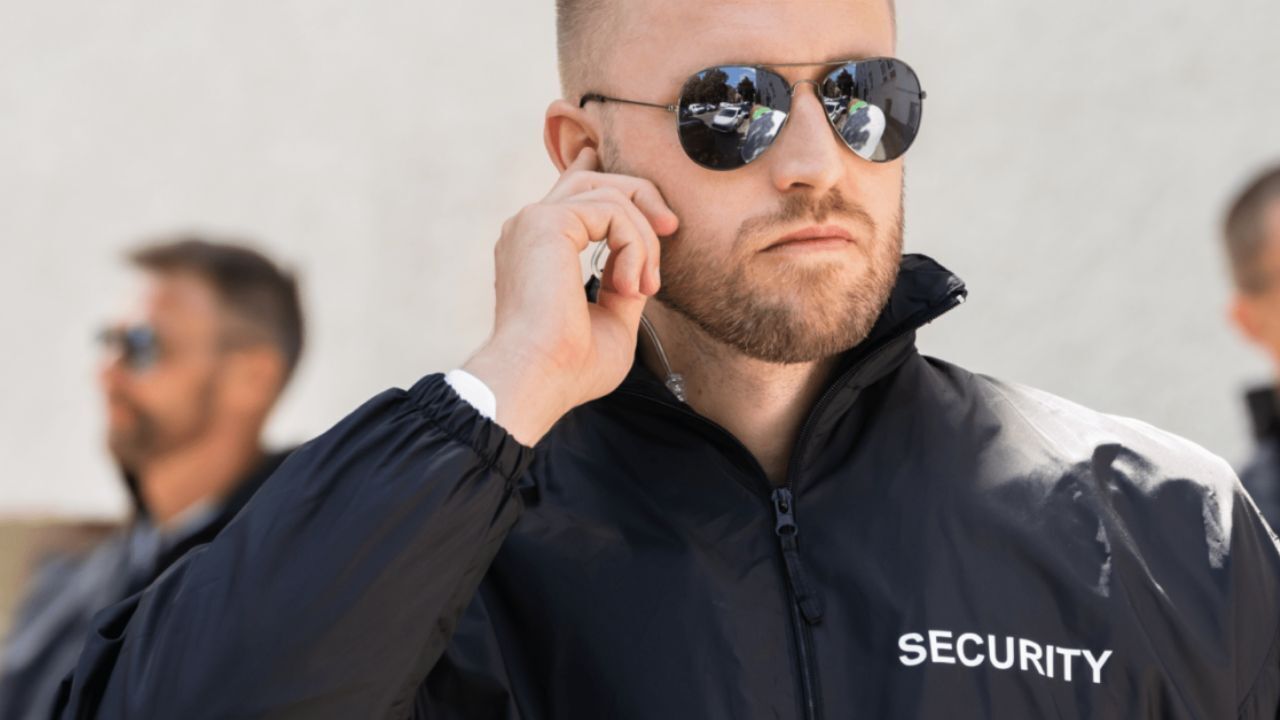


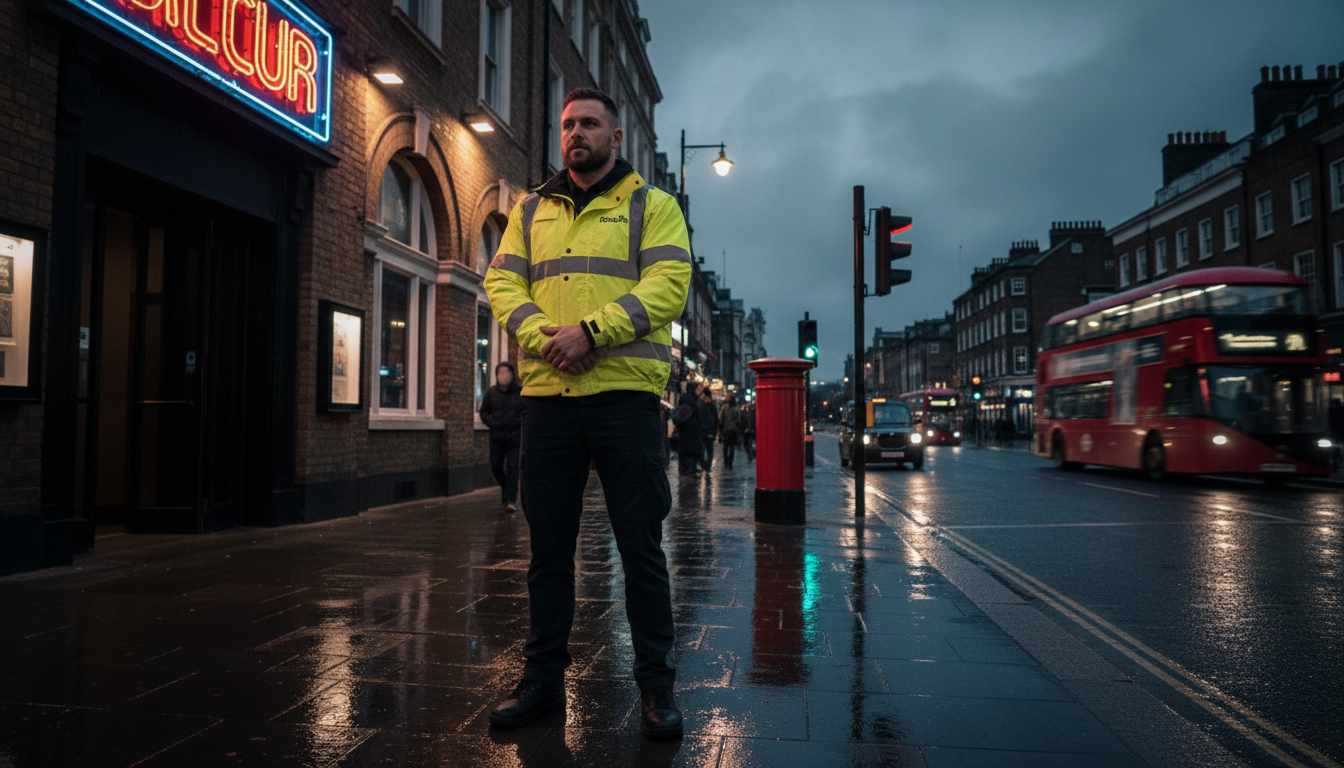



Door supervisors are no longer just gatekeepers. Under new safeguarding expectations highlighted this week by a Guildford-based trainer, the job now includes spotting vulnerable people on your patch and doing something about it — not just waving them through or turning them away. The shift, alongside mandatory refresher training updates introduced by the SIA in the past year, brings the role closer to that of a frontline safeguarding officer, with real consequences for licence holders who get it wrong.
If you work the doors, this affects your next shift. Here’s what’s actually changed and what’s expected of you now.
What the New Safeguarding Expectations Cover
The headline change is simple: door staff are expected to take an active role in identifying and supporting vulnerable people, rather than a passive one. According to the Guildford trainer quoted in the South East Online report, this includes recognising signs of exploitation, intoxication-related vulnerability, coercion, and distress — and acting on them.
That’s a step up from the old approach, which broadly treated vulnerability as someone else’s problem once a person was off the premises or refused entry.
The new expectations sit alongside existing SIA licensing conditions, not instead of them. You still do the entry checks. You still manage ejections lawfully. You still call the police when needed. The difference is what happens in between.
The 4 Things You’re Now Expected To Do
- Spot the signs. Recognise indicators of exploitation, trafficking, spiking, coercive control, or someone being separated from their group against their will.
- Intervene appropriately. Offer a safe space, separate the person from the suspected risk, and avoid handing them back into a harmful situation.
- Use the right referral pathway. Know who to call — police, Ask for Angela schemes, local safeguarding leads, or venue duty managers — and when.
- Document it. Write up what you saw, what you did, who you contacted, and when. The incident log is no longer optional padding.
Spotting Vulnerability: What to Actually Look For
Trainers across the sector have been clear that vulnerability isn’t always obvious. It isn’t just someone slumped on a wall at 2 am.
Common signs flagged in safeguarding briefings include a person who seems disoriented or doesn’t know where they are, someone whose drink or behaviour suggests possible spiking, a young person being closely shadowed by an older adult who answers questions for them, or someone trying to leave with a person they appear afraid of.
The point is not to play detective. The point is to notice, ask, and escalate.
The “Are You OK?” Test
One simple approach trainers recommend: separate the person from whoever they’re with, even briefly, and ask a direct question. If the answer doesn’t add up — or they can’t give one — that’s your cue to involve a manager or police.
Referral Pathways You Should Know
Knowing the number to call matters as much as spotting the problem. Door supervisors are expected to be familiar with:
- 999 and 101 — for immediate threats and non-emergency reports, respectively.
- Ask for Angela — the venue-based code phrase scheme that triggers staff intervention for someone feeling unsafe on a date or with a stranger.
- Local Pubwatch and Best Bar None schemes — for sharing intelligence about predatory individuals across venues.
- The venue’s designated safeguarding lead — usually a duty manager or licensee.
- Local authority safeguarding teams — particularly relevant where under-18s are involved.
If your venue hasn’t briefed you on these, ask. If it still doesn’t brief you, that’s a problem the SIA increasingly cares about.
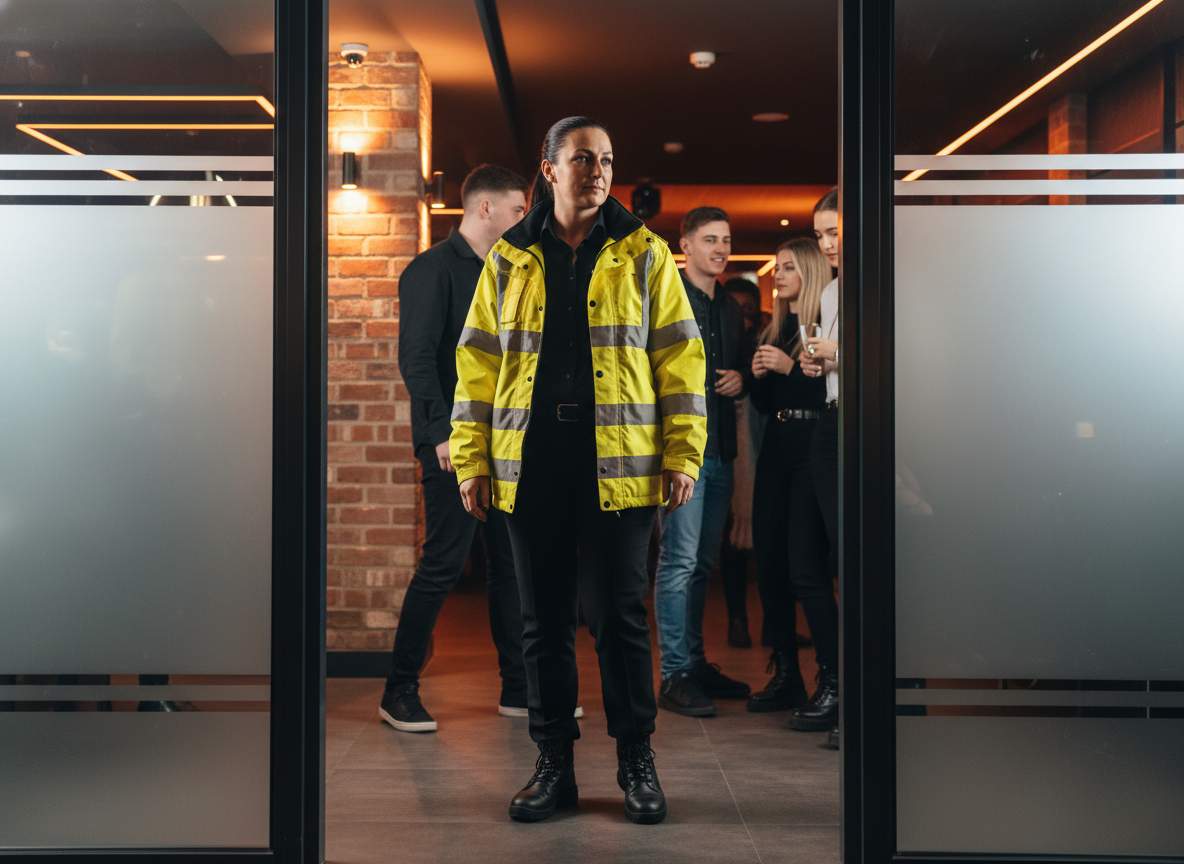
Documentation: Why the Incident Log Now Matters More
Documentation has moved from “nice to have” to “the thing that protects you when something goes wrong”. A clear, contemporaneous incident log demonstrates that you spotted the issue, acted on it, and followed the right pathway.
According to safeguarding guidance circulating in the sector, your log entry should cover:
- Time, location, and a brief description of what you observed.
- Who was involved (descriptions, not assumptions).
- What you did and who you contacted.
- The outcome — was the person safe when they left, and with whom.
If a vulnerable person comes to harm after leaving your venue, that log is the difference between a defensible response and a regulatory headache.
How This Fits with Your SIA Licence Conditions
None of this replaces the existing SIA licensing framework. Your door supervisor training already covers conflict management, drug and alcohol awareness, and the basics of safeguarding. The new expectations build on that foundation rather than rewriting it.
What’s changed is the standard that the SIA, venue licensees, and local authorities are now likely to apply when something goes wrong. “I just refused them entry” is no longer a complete answer if the person was clearly at risk and walked off into trouble.
For licence holders thinking about renewal, expect refresher training to put more weight on safeguarding scenarios. For anyone going through an SIA licence application now, the safeguarding component is no longer something to skim.
Recommended Reading: Common SIA Licence Application Mistakes
The Bottom Line for Door Supervisors
The job has shifted. You’re still the person at the door — but you’re now also the first person who might notice that someone is being trafficked, spiked, groomed, or coerced. That’s a serious responsibility, and the sector is finally treating it as one.
Spot it.
Act on it.
Refer to it.
Write it down.
Do those four things consistently, and you’re working to the new standard. Skip them, and a quiet shift can turn into a very loud investigation.
If your employer hasn’t given you fresh safeguarding guidance in the last 12 months, push for it. The expectations have moved, and so should the SIA training that backs you up — including practical safeguarding training for security staff tailored to night-time venues.