

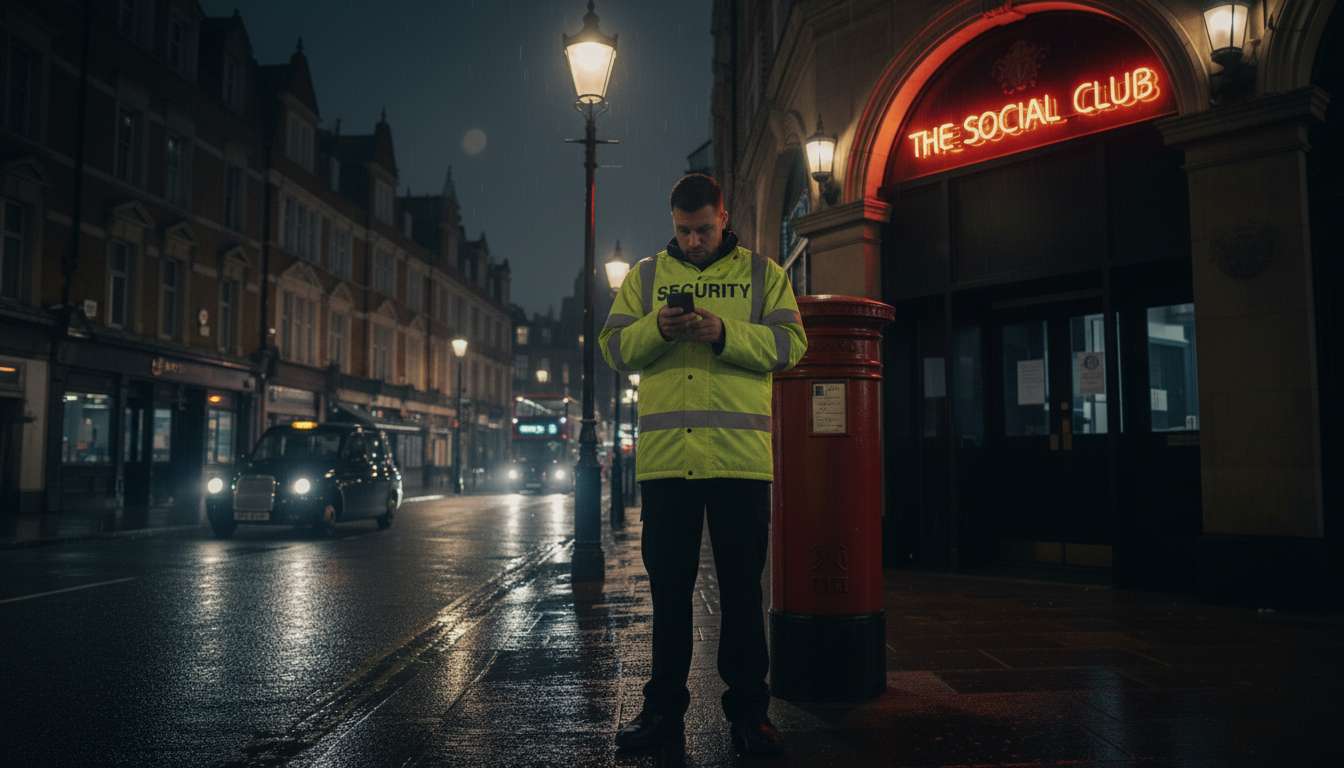



A Glasgow door supervisor found out the hard way this April that working a shift on a suspended SIA licence is not a paperwork hiccup — it is a criminal offence. Tony Jones appeared at Hamilton Sheriff Court after being caught working the door while his licence was suspended, and the case is a sharp reminder that the Security Industry Authority does not mess about.
Here is the uncomfortable bit: a lot of suspensions happen without the licence holder realising. A missed email. A change of address that never made it onto the SIA portal. A renewal that slipped past the deadline because the shift pattern got busy. Then one routine check on a Friday night, and suddenly you are the person being interviewed under caution.
This post walks through how suspensions actually happen, what the law says, and the boring-but-effective habits that keep you out of court.
How an SIA Licence Ends Up Suspended
Most door supervisors assume a licence is either valid or expired. In reality, there is a third state — suspended — and it can land on your record without much fanfare.
Common triggers include:
- An ongoing criminal investigation or pending charge that the SIA has been notified about
- A safeguarding or relevant conduct concern raised by the police or an employer
- Failure to respond to SIA correspondence within the required window
- Issues flagged during a renewal review that have not yet been resolved
The SIA notifies the licence holder by post and email using the contact details on their account. If those details are out of date, the notice can sit unread while the licence sits suspended. The legal responsibility to keep contact details current sits with you, not the SIA.
Suspended Is Not the same as Revoked
A suspension is a pause. The licence still exists, but you cannot legally work a licensable activity while it is in force. A revocation is a full removal. Both carry the same practical consequence on shift: if you work, you are working unlicensed.
Recommended Reading: Suspending and Revoking an SIA Licence
What the Law Says
Under the Private Security Industry Act 2001, working in a licensable role without a valid licence is a criminal offence. Section 3 of the Act covers the offence of engaging in licensable conduct without a licence, and a suspended licence is treated, for working purposes, as no licence at all.
The penalties on conviction can include:
- An unlimited fine in the Crown Court (up to £5,000 in a magistrates’ court, or the Scottish equivalent)
- Up to six months’ imprisonment
- A criminal record that will surface on every future licence application and most DBS checks
Employers are not off the hook either. Supplying or using unlicensed security staff is a separate offence under the same Act. A venue that fails to verify licence status can face prosecution alongside the individual.
Recommended Reading: SIA Licence Criminal Record Checks
What It Actually Costs You
The fine is only the visible part. The longer-term costs tend to be heavier:
- Future licensing. A conviction under the Act is a near-automatic barrier to relicensing for years.
- Employment. Reputable security firms run rolling SIA register checks. A flagged or convicted operative loses shifts fast.
- Insurance and bonding. Close protection and high-value contracts often require a clean record.
- Travel. A criminal conviction can complicate visas, particularly to the US, Canada and Australia.
One missed renewal email can quietly close several career doors at once.

How to Stay on the Right Side
The fixes are unglamorous, and they work. Treat your licence the way a HGV driver treats their tachograph — as a non-negotiable part of being able to earn.
Check the SIA Register Monthly
The public register at sia.homeoffice.gov.uk lets anyone confirm a licence number’s status in seconds. Run yours on the first of every month. If anything looks wrong, you find out before a venue does.
Keep Your SIA Account Details Up-To-Date
Change of address, new phone, new email — update the portal the same week. The SIA serves notices to the details on file. If they cannot reach you, that is your problem, not theirs.
Renew At Least 3 Weeks Early
The SIA recommends renewing four months before expiry. At a minimum, build in eight weeks. SIA licence renewal reviews can flag issues that take time to resolve, and a lapsed licence is not a grace period — it is a stop-work order.
Disclose Anything You Need to ASAP
Arrests, charges, cautions, court appearances — even ones you think are unrelated to security work — can affect your licence. Self-reporting through the SIA’s notification process is almost always less damaging than the SIA finding out from someone else.
Make Your Employer Part of the System
Approved Contractor Scheme firms have to run licence checks. If you work for a smaller operator, ask them to confirm in writing that they verify status before each deployment. It protects everyone.

The Pre-Shift Checklist
Before you walk on for any licensable shift, you should be able to tick all of these:
- My licence shows as active on the SIA public register today
- My SIA account email and phone number are current
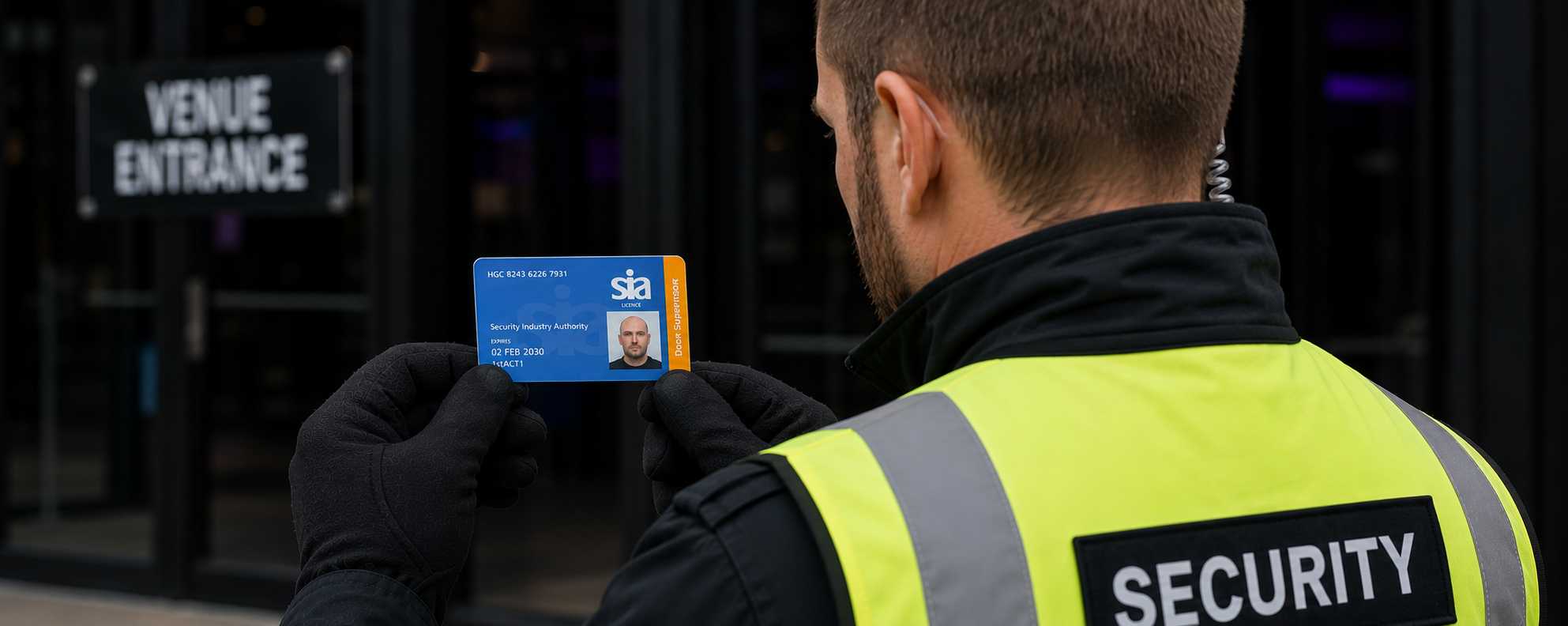
- My licence is physically on me, the right way up, clearly visible
- I have no pending SIA correspondence sitting unread
- My employer has confirmed my deployment against a current status check
- If anything has changed in my personal circumstances — address, conviction, caution — the SIA has been told
It takes about ninety seconds. It is the cheapest insurance policy in the industry.
The Bottom Line
The Hamilton case is not unusual. Every year, a handful of door supervisors end up in court for working on a suspended licence, and most of them did not set out to break the law — they just stopped paying attention to the admin. The SIA’s enforcement teams and police licensing officers are getting better at spot checks, not worse.
Treat your licence status like your bank balance: check it often, fix problems early, and never assume it is fine because it was fine last week. For more details about the licence renewal process, check out our SIA licence renewal guide.