




NaCTSO published the Guide Shelter Report in March 2026 — a new set of counter-terror response principles for staff in UK venues. If you work the door, watch the screens, or run a security team, GSR is written for you.
Here’s the plain version: what it is, how it sits with Run Hide Tell, and what it actually changes about your shift.
What Is GSR?
GSR stands for Guide, Shelter, Report. It’s a set of response principles published by NaCTSO and Counter Terrorism Policing through ProtectUK.
The three principles:
- Guide — direct people away from the threat using your knowledge of the building.
- Shelter — when leaving isn’t safe, secure people in a defendable space.
- Report — pass clear, accurate information to the police and your control room.
NaCTSO calls them principles, not steps. That matters. They run in parallel — different staff doing different jobs at the same moment, depending on their role and where they are when something happens.
GSR vs Run, Hide, Tell
Run, Hide, Tell is still the public-facing advice. GSR is the staff-facing version. The two run in parallel during the same incident.
While a customer runs for the nearest exit, a door supervisor points them down the safest route. While a group hides behind the bar, the duty manager pulls the shutter and locks the staff door. While someone dials 999, the CCTV operator feeds descriptions and locations through the radio.
Same incident. Different jobs.
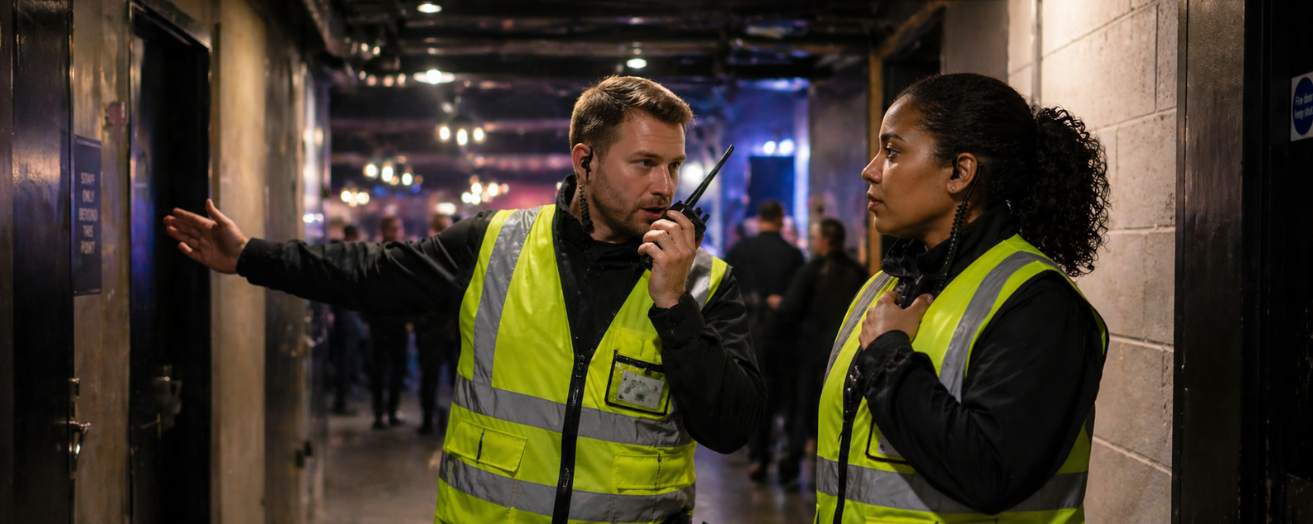
Guide: You Know the Building, the Public Doesn’t
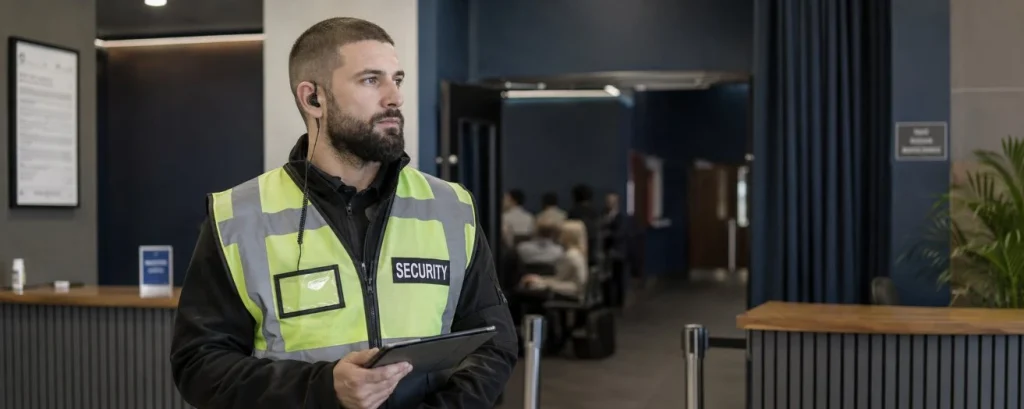
People follow the most confident voice in the room. On a busy night, that’s you.
Guiding means moving people away from the threat using routes you already know — fire exits, back-of-house corridors, service yards. It also means knowing which routes not to use. The obvious exit might be exactly where the threat is, and the alternative might be blocked.
Walk your exits at the start of every shift. Agree on clear hand signals with your team — radios fail.
Shelter: When Leaving Is the Wrong Move
Sometimes, evacuation is the worst option. If the threat is outside or if no one knows where it is, getting people into a securable space is safer than pushing them into open ground.
Sheltering is an active job. You’re getting people into a room with solid walls and a lockable door, getting them low, getting them quiet, and keeping them there until it’s safe to move.
The hardest call is when to switch from Guide to Shelter. On most nights, that’s the most senior security professional on site. Rehearse the call before you ever have to make it.
Report: What 999 Actually Needs
Get help moving fast — but get the right help to the right place. That means structured information: location, number of attackers, descriptions, weapons, direction of travel, casualties, and what your team is doing.
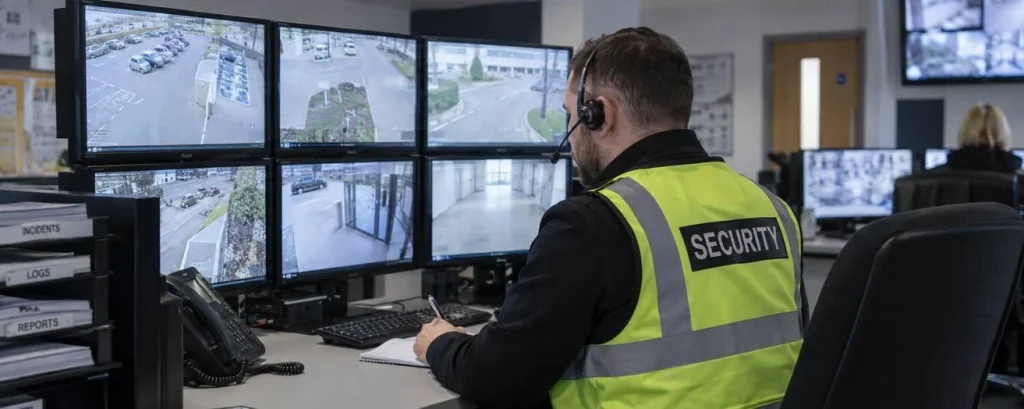
CCTV operators carry a lot of this stage. You have eyes the responding officers don’t.
Your reporting chain on a typical shift:
- 999 for the immediate threat.
- Notify your duty manager or control room.
- Update officers on arrival with the latest picture.
If you’re newer to the industry, our Door Supervisor course covers the underlying skills GSR assumes you already have — conflict management, situational awareness, and emergency response.
A Self-Check Before Your Next Shift
If you can’t answer yes to all of these, there’s work to do:
- Can I name every exit from my post, plus the backup if the main one’s blocked?
- Do I know which rooms here can be locked down, and how?
- Have I agreed on a lockdown signal with my team tonight?
- If I had to call 999 in 30 seconds, could I give location, threat, weapons and direction of travel clearly?
- When did I last actually practise any of this?
What This Means For Your Employers and Venue Managers
GSR isn’t only a personal job. ProtectUK expects employers to embed it into procedures: brief all staff, run drills, maintain shelter spaces, and put GSR into inductions. This sits next to the duties coming under Martyn’s Law.
If your venue hasn’t covered any of this yet, push for the conversation now. Your employers should ideally be preparing for the upcoming changes, and raising your concerns can help ensure everyone stays compliant.
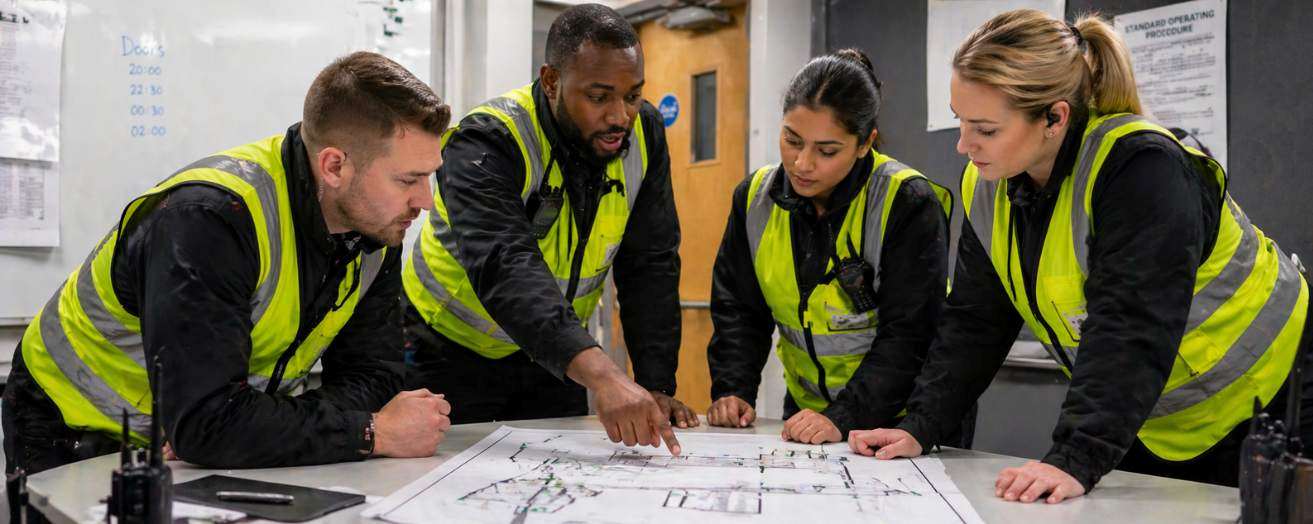
Get Trained, Calm, & Ready
GSR isn’t complicated, but it only works if the people on the door, behind the screens and on the radios have already thought it through. That’s the job — being the trained, calm voice when everyone else is reacting.
Walk your exits before your next shift, talk it through with your team, and put an hour aside for ACT awareness training. If you’re newer to the industry and want to build the foundations GSR assumes you already have, our Door Supervisor and Security Guard courses are the right place to start.
The work you put in before a shift is what shows up during one. Don’t hold back while preparing.