





The Martyn’s Law timeline stretches back almost a decade. From the Manchester Arena attack in 2017 to Royal Assent in 2025 and the expected enforcement date in 2027, the journey from tragedy to legislation has involved years of campaigning, consultation, parliamentary debate, and regulatory planning.
If you currently work in security or are planning on joining the industry, keeping track of where things stand is important. For a full breakdown of what the law actually requires and what it means for your security career, our Martyn’s Law explainer for security professionals covers all the details.
Here’s a look at the developments around Martyn’s Law so far. We will update this timeline as new developments are announced, so check back soon!
2017: The Attack That Started It All
22 May 2017: A suicide bomber detonated an improvised explosive device in the foyer of the Manchester Arena at the end of an Ariana Grande concert. Twenty-two people were killed, and over a thousand were injured. Among the victims was Martyn Hett, aged 29. The attack exposed serious gaps in how public venues prepared for and responded to terrorist threats.
In the months and years that followed, Martyn’s mother, Figen Murray, began campaigning for legislation that would require venues to take meaningful steps to protect the public. That campaign would eventually become Martyn’s Law.
2021: The Protect Duty Consultation
February 2021: The Home Office launched a public consultation on a proposed “Protect Duty” — the working name for what would become Martyn’s Law. The consultation sought views on whether public venues should be legally required to consider the threat of terrorism and take proportionate steps to protect people. The response was overwhelmingly supportive.
2022–2023: Development and Drafting
May 2022: The Queen’s Speech confirmed the government’s intention to introduce a Terrorism (Protection of Premises) Bill.
2023: The government published a draft Bill for pre-legislative scrutiny. A joint committee of MPs and peers examined the proposals and made recommendations, including adjustments to the capacity thresholds and the scope of the legislation.
2024: The Bill Enters Parliament
October 2024: The Terrorism (Protection of Premises) Bill was formally introduced to Parliament. It progressed through the House of Commons and House of Lords, with debates and amendments at each stage.
2025: Royal Assent and the Implementation Period Begins
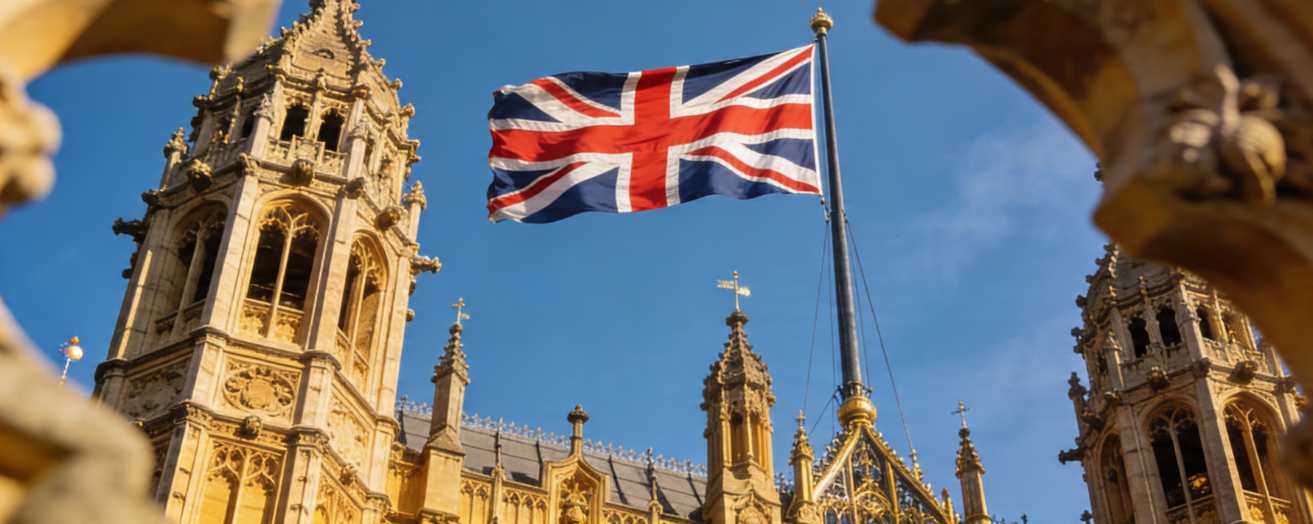
3 April 2025: The Terrorism (Protection of Premises) Act 2025 received Royal Assent, becoming law. The Act applies across England, Wales, Scotland, and Northern Ireland.
However, receiving Royal Assent does not mean the law is immediately in force. The Act includes a minimum two-year implementation period from the date of Royal Assent. This gives the Home Office time to publish statutory guidance, the SIA time to build its regulatory infrastructure, and venues time to prepare.
22 April 2025: The Home Office published a series of factsheets explaining the scope of the Act, the enforcement framework, the penalty structure, and the role of the SIA as regulator.
June 2025: The SIA began planning for its new regulatory functions under the Act, including recruiting staff and engaging digital delivery partners to build the secure portal that venues will use to notify the SIA and submit compliance documentation.
5 November 2025: The SIA launched a major strategic review of all licence-linked qualifications. While not exclusively a Martyn’s Law initiative, the review is updating counter-terrorism training content and aligning qualification standards with the new regulatory landscape. The review runs for 18 months, with new qualifications going live in spring 2027 — the same window as Martyn’s Law enforcement.
For a full breakdown of what the qualification changes mean for your licence, read our SIA qualification review explainer.
2026: The Preparation Year
1 March 2026: Mike Cunningham CBE QPM started as the new Chair of the SIA, replacing Heather Baily QPM after five years. Cunningham, a former Chief Constable, was appointed by the Home Office for a three-year term. His tenure will cover the critical period of Martyn’s Law implementation.
5 March 2026: Laura Gibb, the SIA’s Executive Director for Martyn’s Law, published an article on GOV.UK titled “A proportionate approach to Martyn’s Law regulation.“ She confirmed that the Home Office statutory guidance is still being finalised, that the SIA’s Section 12 guidance is in preparation, and that the SIA will share its guidance for consultation after the Home Office guidance is published. She also warned against buying compliance products or consultancy services prematurely, stating: “At this stage, that is very unlikely to be a wise investment.”
Early spring 2026 (pending): The SIA’s original timeline indicated that draft qualification specifications would be published for public consultation in early spring 2026. As of mid-April 2026, this has not yet been confirmed.
15 April 2026: The Home Office published its final Section 27 statutory guidance for Martyn’s Law. This is the document that explains in practical terms what those responsible for premises and events must do to comply with the Act.
15 April 2026: On the same day, the SIA launched a public consultation on its draft Section 12 guidance. This sets out how the SIA intends to carry out its regulatory functions. It includes how inspections will work, how compliance will be assessed, how enforcement decisions will be made, and how financial penalties will be set. The SIA described its approach as “supportive, proportionate and risk-based.”
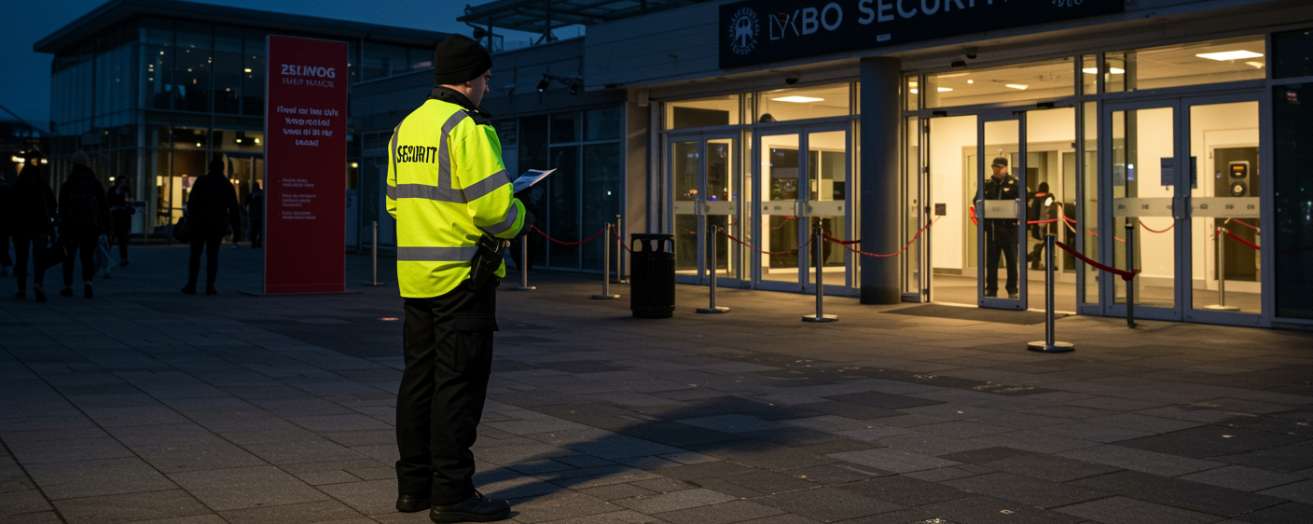
12 June 2026: The consultation closes at 11:59 pm. After this, the SIA will finalise its Section 12 guidance based on the responses received.
Summer 2026 (expected): The SIA is expected to publish final qualification specifications, completing the consultation process and setting the new training standards in stone.
Autumn 2026 to spring 2027: Training providers will design new courses based on the final specifications, and the industry will prepare for the transition to the new qualification framework.
2027: Enforcement Begins
Spring 2027 (expected): This is the most significant date on the Martyn’s Law timeline — the earliest point at which enforcement is expected to begin. The two-year minimum implementation period from Royal Assent (3 April 2025) means enforcement cannot start before April 2027. The SIA’s new qualifications are also expected to go live in this window, meaning the training standards and the regulatory obligations will come into effect at roughly the same time.
From this point, venues that fall within scope will be expected to have their public protection procedures (standard duty) or measures (enhanced duty) in place. The SIA will begin its regulatory activities, including inspections and, where necessary, enforcement action.

What Comes After Enforcement
Once Martyn’s Law is in force, the timeline does not stop. The SIA will be conducting ongoing inspections, issuing guidance, and refining its regulatory approach based on real-world experience. Venues will need to maintain their compliance on an ongoing basis, not just at the point of initial enforcement.
For security professionals, this means the demand created by Martyn’s Law is not a one-off spike; it is a permanent increase in the baseline level of security activity across the UK. Venues will need trained staff not just to set up their procedures, but to maintain them, review them, and update them as the threat landscape evolves.
If you want to be part of that, the time to get qualified is now. Book your SIA training and make sure you are ready when the enforcement date arrives.
Last updated: April 2026. This Martyn’s Law timeline will be updated as the Home Office and SIA announce new milestones. Bookmark this page and check back for the latest information.