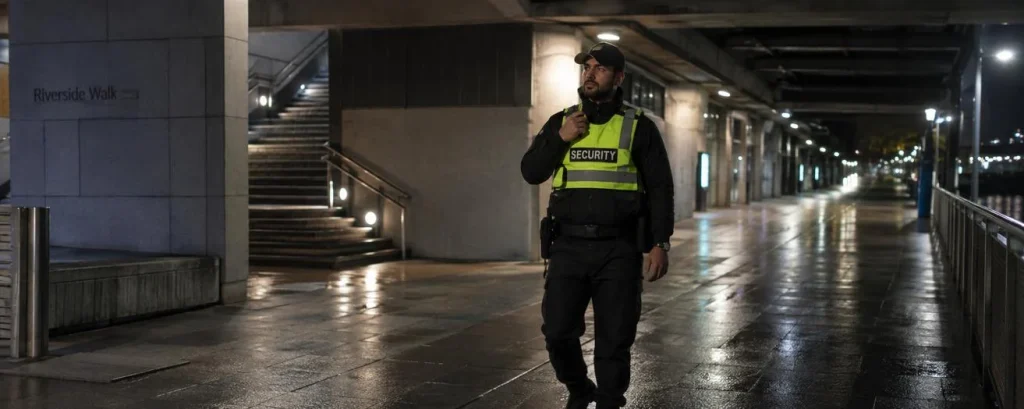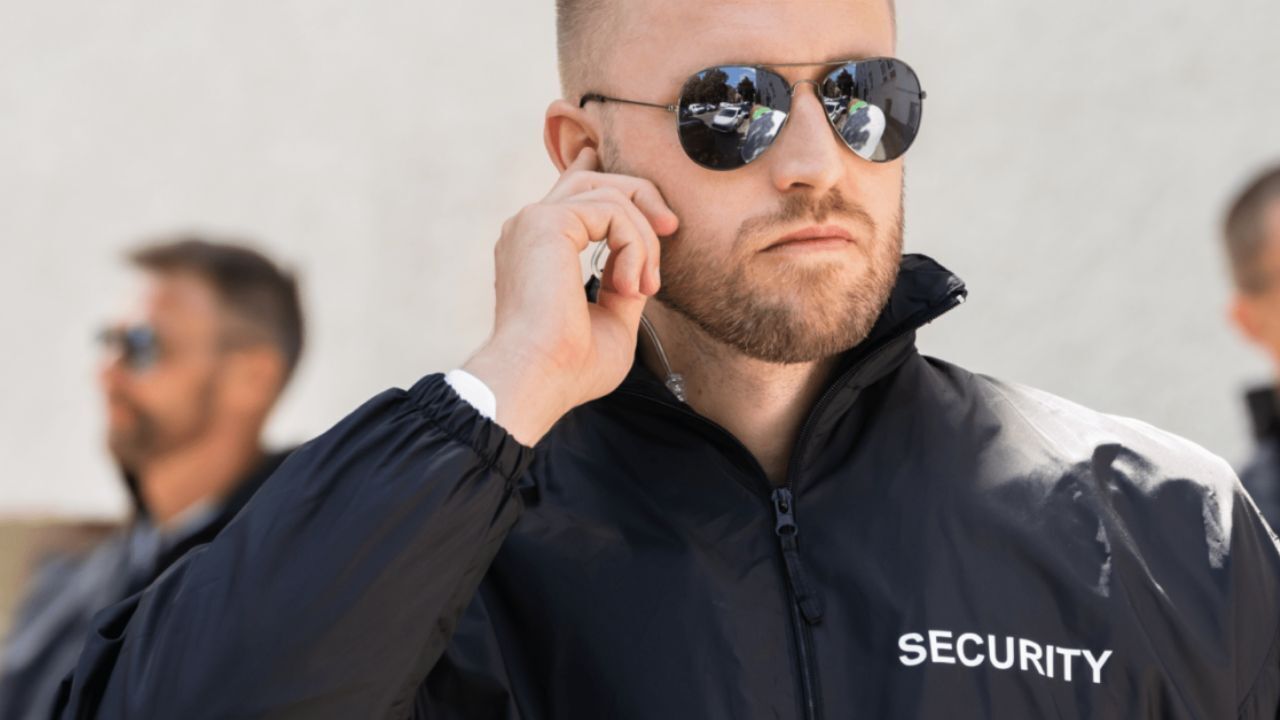


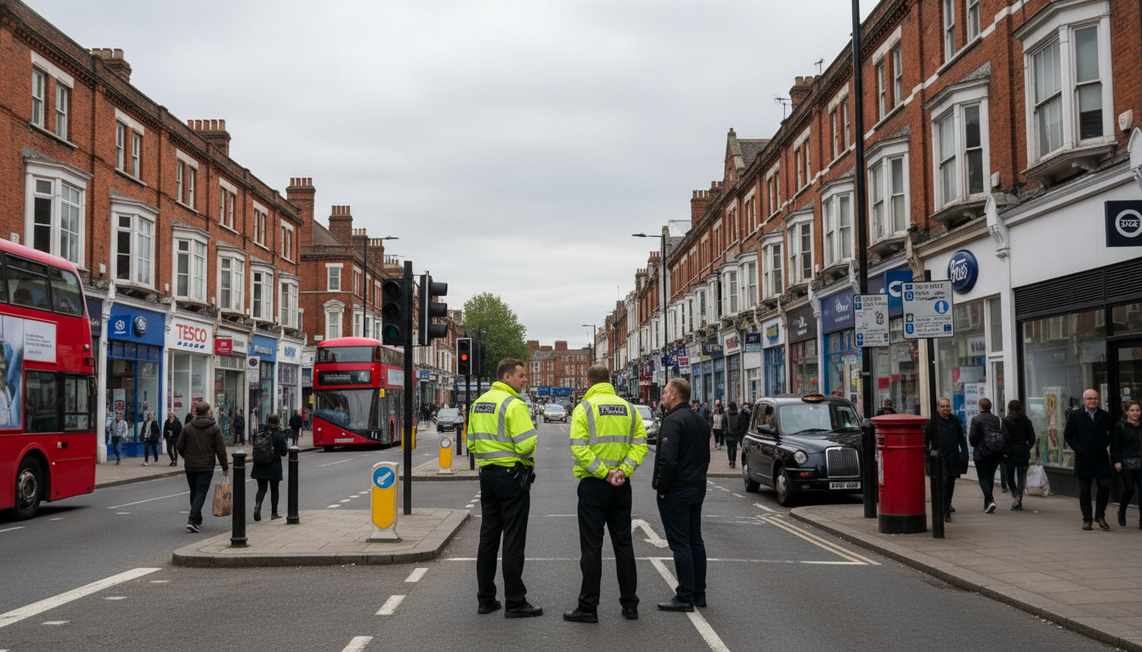



Picture the scene: A busy shopping street on a Saturday afternoon. A suspected shoplifter. Two security guards moving in. A struggle on the pavement. Shoppers filming on their phones. And then — stillness. An ambulance. A body bag. A family waiting for answers that will take months, maybe years, to arrive.
That is the reality now facing investigators in Dublin, where Gardaí are examining whether the restraint of a 35-year-old man during an alleged shoplifting incident on Henry Street contributed to his death. The case, reported by The Irish Times, sits outside UK jurisdiction. But if you hold an SIA licence, look away at your peril. The legal principles, the physiology, and the consequences are almost identical on this side of the Irish Sea.
So let’s ask the uncomfortable question. If that had happened on your shift, in your shop, on your door — would you be on the right side of the law?
What the Law Actually Says about Reasonable Force
Under Section 3 of the Criminal Law Act 1967, a person can use reasonable force to prevent crime or assist in a lawful arrest. Section 24A of PACE gives any citizen — including security staff — a limited power of arrest for indictable offences.
The keyword is reasonable. And reasonable is not what felt right at the time. It is what a court, sitting calmly months later with CCTV and a pathologist’s report, decides was proportionate.
Force becomes unreasonable the moment one of three things happens:
- The threat has ended, and you keep going.
- The force used is greater than the threat required.
- The method of restraint creates a foreseeable risk of serious harm.
Prone restraint — holding someone face-down, particularly with weight on their back — ticks the third box every single time.
Recommended Reading: What a Security Guard Can and Cannot Do
Positional Asphyxia: The Risk SIA Training Won’t Let You Forget
Positional asphyxia happens when a person’s body position prevents them from breathing properly. It can kill in minutes. It is the single biggest restraint-related risk taught on every SIA door supervisor and security guarding course in the UK.
The risk rises sharply when:
- The person is held face down on a hard surface.
- Pressure is applied to the back, chest or neck.
- The person is obese, intoxicated, has been struggling violently, or is in a state of acute mental distress.
- The restraint continues after the person has stopped resisting.
That last point matters. The College of Policing and SIA guidance both stress that compliance is the trigger to ease off, not to hold tighter “just in case”. A person who has gone quiet is not necessarily calm. They may be in respiratory distress.
The Warning Signs Every Guard Should Know
If the person you are restraining shows any of the following, the restraint must change immediately: laboured breathing, going limp, turning blue or grey around the lips, foaming at the mouth, or sudden silence after loud struggle. Roll them into the recovery position. Call 999. Stay with them.
What SIA Training Expects You To Do
SIA-licensed staff are trained to use restraint as a last resort, for the shortest possible time, with the least force needed to control the situation. That is not a slogan — it is the standard a coroner will measure you against.
The expected sequence is:
- De-escalate first. Verbal commands, distance, time. Most situations resolve without hands-on contact
- If restraint is unavoidable, use approved techniques. Standing escorts, seated holds, never sustained prone position.
- Monitor breathing constantly. One person’s only job during a restraint should be watching the airway.
- Call an ambulance early. If in doubt, call. The cost of an unused ambulance is nothing. The cost of a late one can be a life and a manslaughter charge.
- Document everything. Time, location, witnesses, what was said, what was done, when emergency services were called.
The Legal Exposure is Personal
This is the part new licence-holders often miss. If a restraint goes wrong, the company you work for is not the only one in the dock. You are.
Charges that have followed restraint-related deaths in the UK include gross negligence manslaughter, unlawful act manslaughter, and assault occasioning actual or grievous bodily harm. The SIA can — and routinely does — revoke licences following criminal convictions or serious complaints, even without a conviction. Our breakdown of what gets an SIA licence revoked lays out the patterns.
Your employer’s insurance may cover civil claims. It will not serve your prison sentence.
What Retailers and Venues Should Be Reviewing This Week
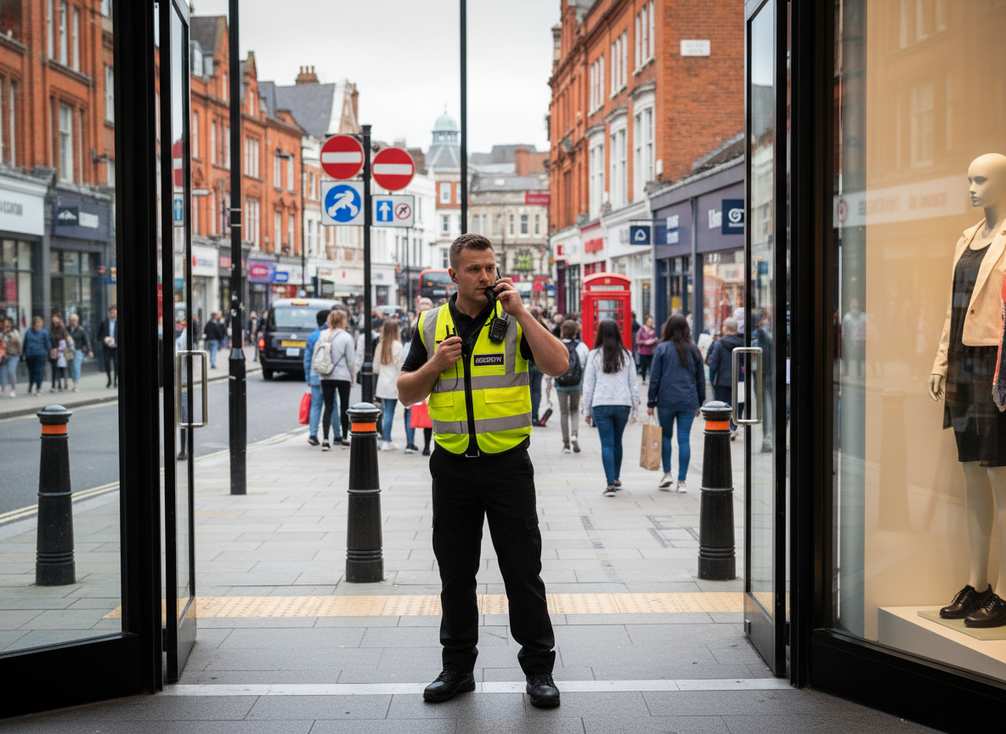
For security managers, the Dublin case is a prompt to check three things:
- Restraint policy. Is prone restraint explicitly prohibited beyond the seconds needed to gain control? It should be.
- Refresher training. When did your team last do hands-on conflict management practice? If the answer is “at their original course”, that is not enough.
- Medical escalation triggers. Does every guard know the exact moment to stop restraining and start resuscitating? Test them.
The Hardest Lesson
A shoplifting incident, on any standard, is a low-level property offence. Nothing inside a shop is worth a human life — not the stock, not the principle, not the deterrent.
The Garda investigation in Dublin will take its course. But for UK security staff watching this unfold, the takeaway is already clear: restraint is the most dangerous thing you are licensed to do. Treat it that way every single time.
Don’t Wait For Your Own Headline
The guards on Henry Street did not start their shift planning to end a life. Nobody ever does. The difference between a quiet Saturday and a coroner’s court is often a few seconds of training that kicks in when adrenaline takes over.
If your last hands-on physical intervention training was the day you qualified, you are overdue. Get back in the room, get the techniques back into muscle memory, and protect yourself, your colleagues and the public. Don’t be the next case study — be the guard who walks off shift knowing they did it right.
Book your SIA training course today, because the best time to learn what right looks like is before you need it.