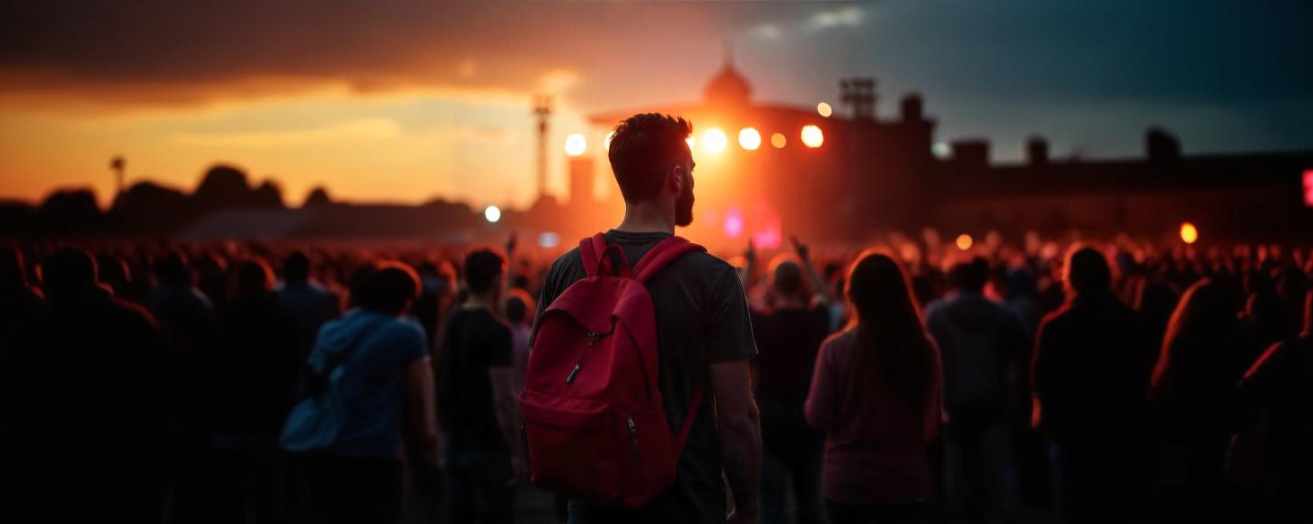





Early to mid May is prime time for festival hiring. Here’s how to get on the list — and what your first weekend will actually look like.
If you fancy spending this summer working at Download, Reading, Leeds, Wireless or Parklife, the timing is on your side. The big crews aren’t fully locked yet. Event security companies are actively topping up rosters right now, and overflow lists keep moving right through the season as people drop out, get promoted, or take a different gig. If you want a place on a 2026 festival crew, the next few weeks are when it pays to move.
A note on Glastonbury: 2026 is a fallow year at Worthy Farm. There’s no festival this summer, with the next edition scheduled for June 2027. That makes the rest of the UK calendar busier than usual, which is good news if you’re trying to break in.
This guide walks through what agencies actually look for, how to find and approach event security companies, and what your first festival shift will really feel like, including pay, hours, camping arrangements, and the difference between a basic crowd-management gig and the more selective close-access posts.
Where the Festival Hiring Cycle Is Right Now
Event security companies don’t run like nightclubs. They run on contracts. The major UK firms — Showsec, G4S Events, Specialized Security, and the regional players — already know which festivals they’ve won. Core rosters for the headline events are largely set.
What’s still very much open:
- Overflow and standby lists
- Late drop-outs as personal plans shift
- May and June warm-up events
- Steady churn through the summer
In other words, the front door may be shut for festival security jobs, but the side door is wide open if you walk up to it properly. Plenty of door supervisors land their first festival shift in May and end up working four or five events across the summer.

What Festival Agencies Actually Want
Festival security job ads all say “SIA licence required.” That’s the floor, not the ceiling. Here’s what gets you shortlisted.
A Current SIA Door Supervisor Licence
A CCTV-only ticket isn’t enough for most festival roles. Door Supervisor training covers the crowd-facing posts. If you don’t have one yet, the SIA Door Supervisor course is six days, and the licence is valid for three years. See the full breakdown of door supervisor licence costs in 2026 before you book.
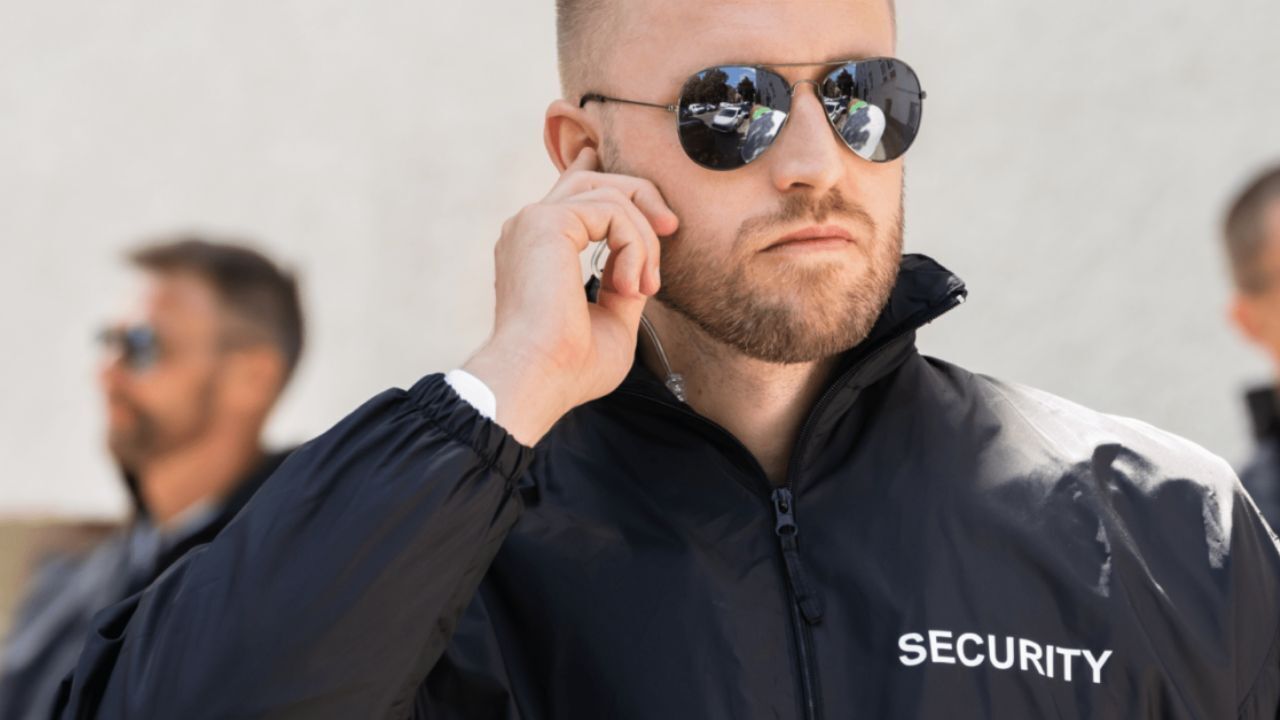
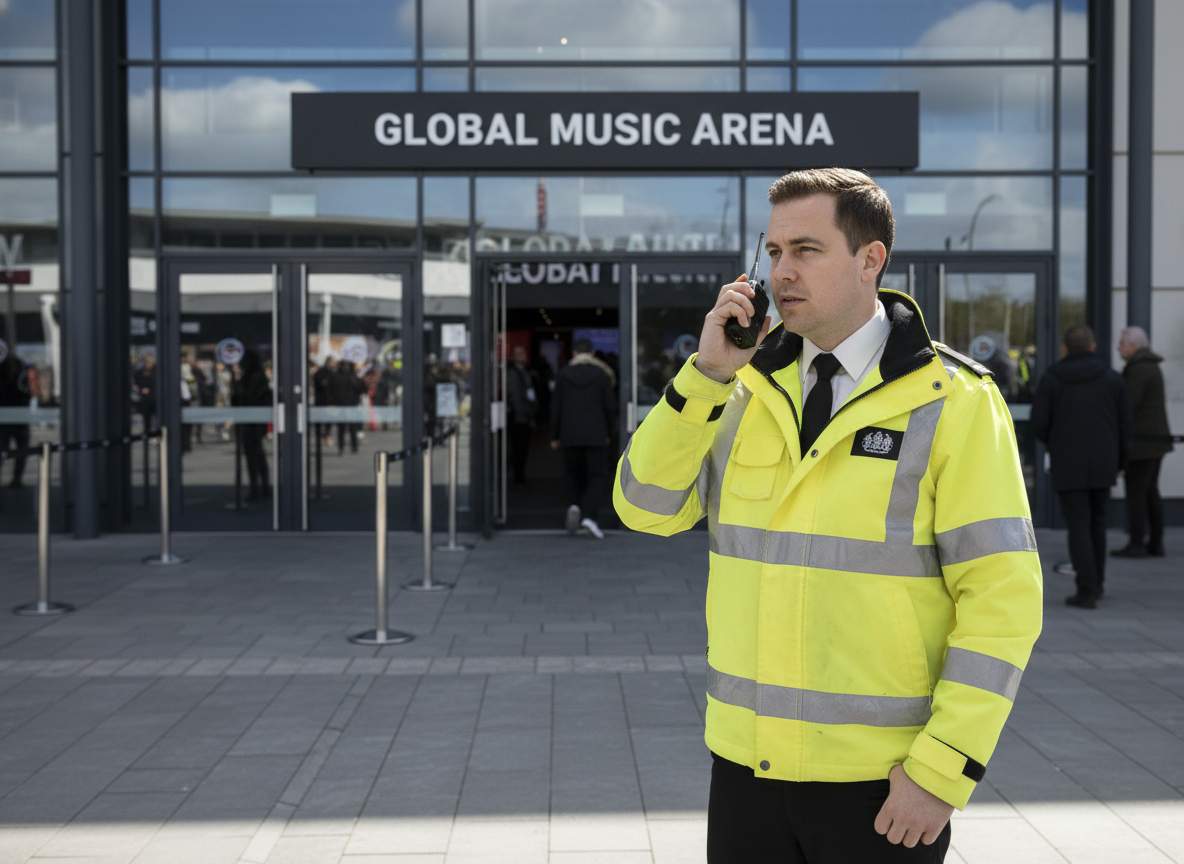
Most festival security jobs involve standard crowd management: pit work at the front of the stage, gate searches, perimeter, campsite patrols and welfare points. It’s where everyone starts and where most people stay.
In-Date First Aid
Emergency First Aid at Work (EFAW) is the minimum. A certificate that expires mid-August is a red flag — renew before you apply.
Crowd Management Experience
Even one shift at a 5,000-capacity venue counts. Note it on your CV with the date and capacity. Football, rugby and cricket stewarding all transfer well — crowd dynamics is crowd dynamics. For a primer on the principles agencies expect you to grasp, see our essential crowd safety tips.
The Right Kit
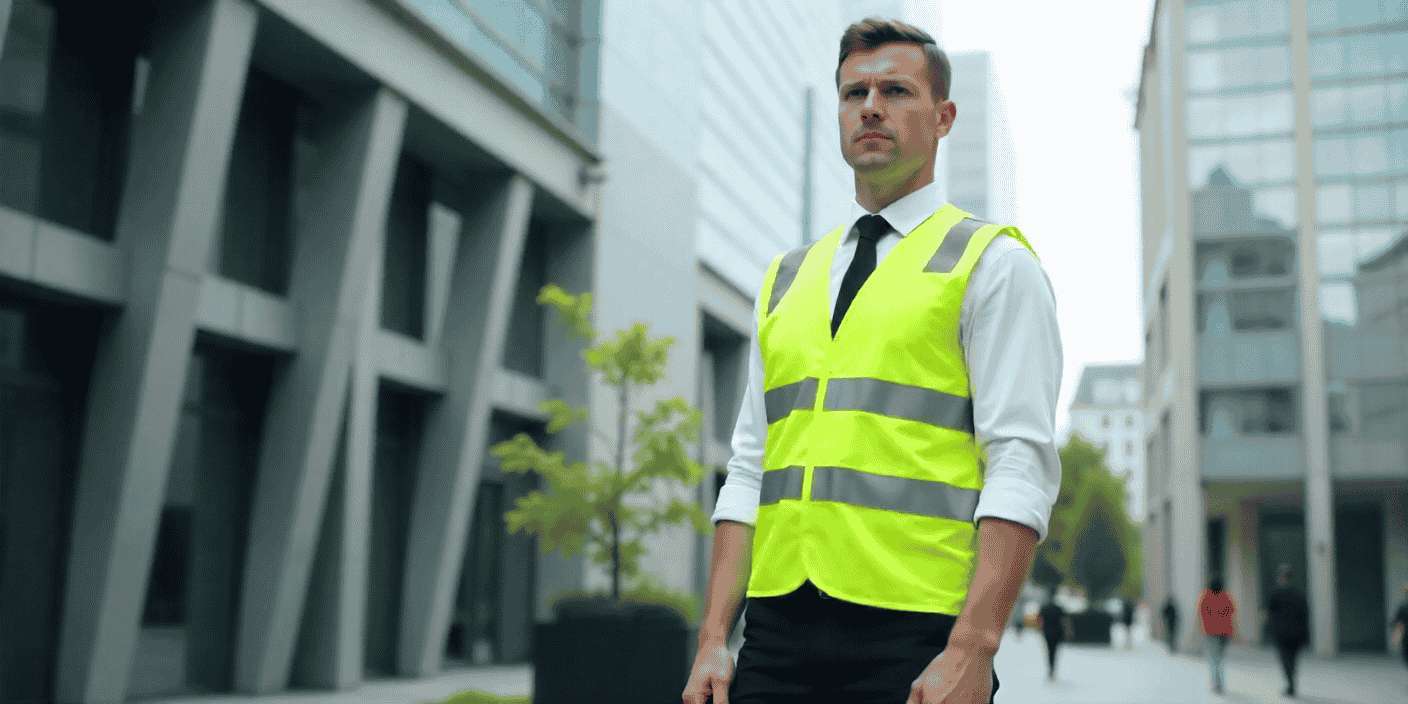
Black boots, black trousers, a decent waterproof, and the ability to stand in a field for 12 hours without complaining. Bring a hi-vis if you have one — some agencies issue, others don’t.
References That Pick Up the Phone
Agencies do check. A supervisor who’ll vouch for you is worth more than a polished CV.
The Bonus Tickets That Move You Up the List
Not essential, but they help:
- A Spectator Safety qualification (Level 2 or 3)
- Counter-terrorism awareness training (ACT Awareness or SCaN — See, Check and Notify)
- A clean driving licence
How to Find and Approach Event Security Companies
Don’t rely on generic job boards. The good shifts get filled through direct application and word of mouth. Here’s the playbook.
- Make a list of the companies that work the festivals you want. Two minutes of searching last season’s coverage and the company’s own website tells you who held the contract. Some councils also publish safety advisory group minutes — worth a check, though not every council does.
- Apply directly through their website. Most have a “work for us” or “careers” page with a year-round form. Fill it in properly. Mention specific events you’ve worked or attended.
- Email a real person. LinkedIn is your friend. Find the operations or staffing manager. Keep it short: who you are, your licence number, your availability, your relevant experience.
- Get on overflow and standby lists. Tell agencies you’re available at short notice. People drop out every week between now and August. Reliable last-minute cover gets remembered next season.
- Take a smaller event first. A regional food festival or a 10,000-cap show in May or June is your foot in the door for July’s headliners. Treat it as a paid audition.
For a longer walk-through, our full guide on how to get a job in event security pairs well with the step-by-step SIA licence guide for summer 2026.
What Your First Festival Shift Will Actually Be Like
Forget the Instagram version. Festival security is long hours in unpredictable weather, dealing with people who’ve been awake for 36 hours and seen things they didn’t plan to see. It’s also one of the more interesting weekends you’ll have all year.
Pay and Hours
Expect £14 to £18 an hour for standard crowd-management roles in 2026, with door supervisors typically £15 to £20+ and a premium for nights, supervisors and response team posts. Shifts run 10–12 hours, sometimes longer at gate-rush or headliner change-overs. Most contracts cover four to five days, including build-up and breakdown. A weekend at a major festival can clear £600 to over £1,000 before tax.
For a broader context across the industry, check out this guide on security industry salaries.
Camping, Travel and Food
Bigger events provide a staff campsite — separate from punters, with showers, a canteen, and somewhere to lock your stuff. Smaller events pay travel but expect you to sort your own bed. Either way: bring earplugs, a dry change of clothes, and more snacks than you think you need. Canteen queues at 3 am are not your friend.
Crowd Management vs Close-Access Posts
Close-access monitoring — backstage, artist liaison, dressing-room corridors, VIP — is a different gig. It’s quieter, more discretion-heavy and tightly vetted. Agencies fill those posts with people they’ve watched for two or three seasons. Show up, do the boring jobs well, and the better posts come to you.
For a sense of the variety beyond the headliners, see 10 summer events you can work with a Door Supervisor badge.
The Bottom Line
Festival security is one of the few corners of the industry where the work is genuinely seasonal and genuinely competitive. The crews who get the best gigs every summer are the ones who said yes to the smaller May event, kept their phone on for last-minute call-ups, and didn’t complain when it rained.

This Week’s Checklist
- Get your Door Supervisor licence sorted.
- Refresh your Emergency First Aid at Work certificate if it’s getting close to expiry.
- Build a one-page CV that lists capacities and dates.
- Start emailing companies this week.
The first festivals of the season are weeks away, and there are still seats on the bus. Book an SIA training course today to get your SIA badge and start applying for security roles across summer gigs.