




You’re on the door. A new face turns up for the shift, hands you an SIA licence card, and walks off to get changed. You glance at it. Looks fine. Photo matches. Hologram’s there. Job done?
Not quite. A licence card is only as good as the check behind it, and getting that check wrong can cost you, your employer, and the licence holder a lot more than a quiet word from the boss.
Here’s how to read an SIA licence card properly, how to verify it in under a minute, and what to do when something doesn’t sit right. For the full application process and licence benefits, check out our SIA licence guide.
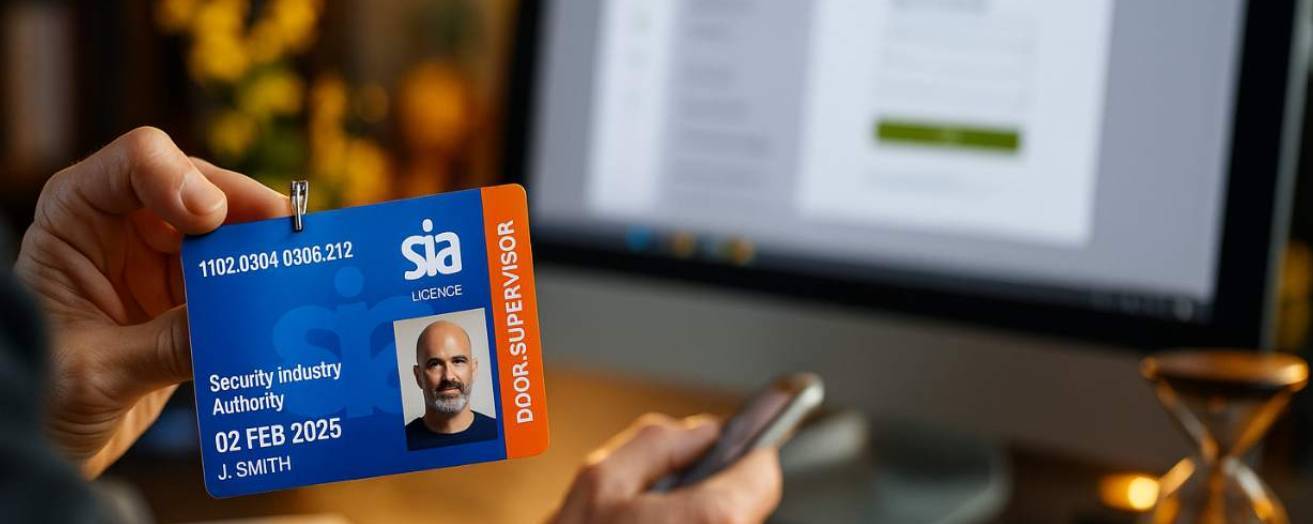
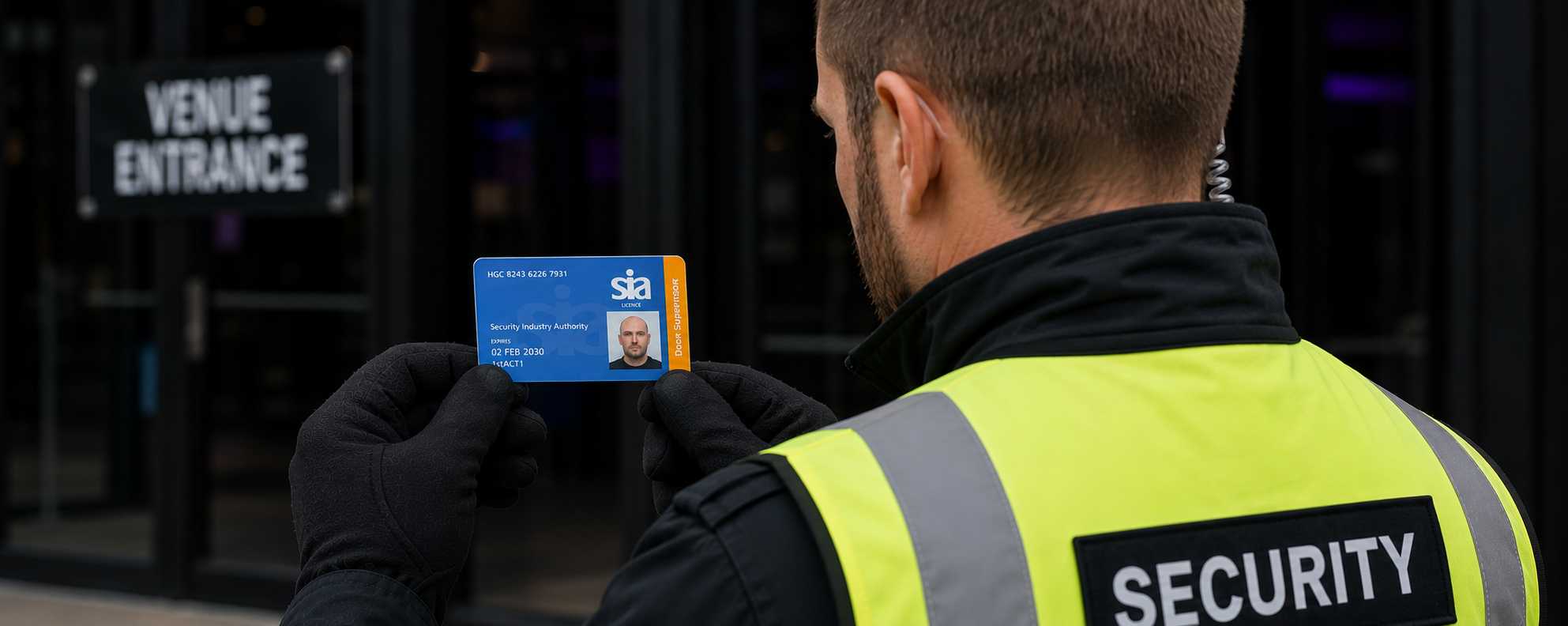
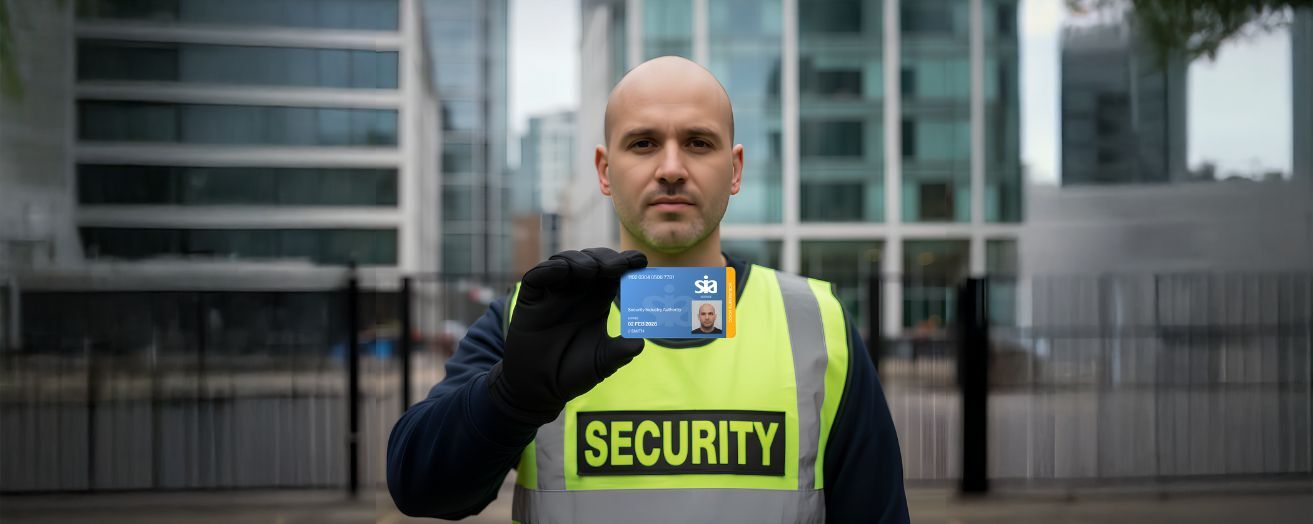
What’s Actually On an SIA Licence Card
Every SIA licence card carries the same information in the same place. Once you know where to look, spotting a dodgy one gets a lot easier.
- The licence holder’s photo — front of the card, top left. Compare it to the person standing in front of you. Sounds obvious. People still skip it.
- Full name — printed under the photo.
- Role/sector — for example “Door Supervisor”, “Security Guard”, “CCTV (Public Space Surveillance)”, or “Close Protection”. This is the bit most employers fail to check properly.
- Licence number — a 16-digit number, usually starting with the sector code. You’ll need this for the online check.
- Expiry date — the licence is valid up to and including this date. The day after, it’s not.
- Hologram — a tamper-evident security feature on the front. It should shift colour as you tilt the card.
The back of the card carries the SIA logo, a signature strip, and a contact number for the SIA. There’s no chip, no magnetic strip — the card is essentially an ID document, not a smart card.
How to Verify an SIA Licence in 30 Seconds
The SIA runs a free online licence checker. According to GOV.UK guidance, anyone can use it — employers, venue managers, members of the public, police. You don’t need an account.
Here’s the process:
- Go to the SIA’s Register of Licence Holders on the SIA website.
- Enter the 16-digit licence number from the card.
- Hit search.
The result tells you whether the licence is valid, expired, or suspended, and confirms the role the holder is licensed for. If the system returns nothing, the number is wrong — or the card is fake.
Do this before the shift starts, not after an incident.
Common Problems on the Door

Wrong Role for the Job
A Security Guard licence does not cover door supervision at a licensed premises. A CCTV licence doesn’t cover physical security on the floor. If the role on the card doesn’t match the job, the person is working unlicensed — full stop.
This is the single most common compliance failure the SIA finds during inspections. Staff with valid licences, deployed in the wrong role, by employers or security team leads who didn’t check carefully enough.
Expired Licences
An expired SIA licence is not a valid licence. There’s no grace period. If someone’s working past their expiry date — even by a day — they’re committing an offence under section 3 of the Private Security Industry Act 2001. So is the employer who deployed them.
The SIA recommends checking expiry dates well in advance and reminding staff to renew at least 16 weeks before their card runs out.
Suspended Licences That Look Fine
This is the sneaky one. A suspended SIA licence card looks identical to a valid one. The hologram’s intact, the date’s not passed, the photo matches. The only way to know is the online checker.
The SIA can suspend a licence for several reasons — pending criminal investigations, breaches of licence conditions, or fitness concerns. The card itself doesn’t change. Only the register does.
Fake or Altered Cards
Fakes do exist, though they’re rare. Warning signs include:
- A hologram that doesn’t shift colour when tilted
- Misaligned text or a photo that looks stuck on
- A licence number that returns no result on the SIA register
- A role title that doesn’t match SIA categories
If you suspect a card is fake, don’t accuse anyone on the spot. Report it to your DPS, your employer, and the SIA via their reporting line.
What Happens If You Get It Wrong
The legal consequences are serious, and they don’t only fall on the individual.
For the licence holder: working without a valid SIA licence is a criminal offence carrying up to six months in prison, a fine of up to £5,000, or both.
For employers and venue operators: supplying unlicensed security — knowingly or through poor checks — carries the same penalties. “I didn’t know” is not a defence. The SIA expects employers to verify every licence, every time.
The SIA has issued substantial fines and prosecuted directors personally for repeated failures to check. Door supervisors have lost licences for working a single shift after expiry.
Build It Into Your Routine
Checking licences sounds like admin. It’s not — it’s the bit of the job that keeps you out of court.
A sensible routine looks like this: verify every new staff member’s licence on the SIA register before their first shift. Keep a dated record of the check. Re-verify any licence within 30 days of its expiry date. And spot-check at random across the team.
If you’re working through an agency or looking to renew your licence after completing the mandatory SIA refresher training, get familiar with the register now. It’s the same tool you’ll use for the rest of your career.
A licence card is a piece of plastic. The register is the truth. Always check the register.