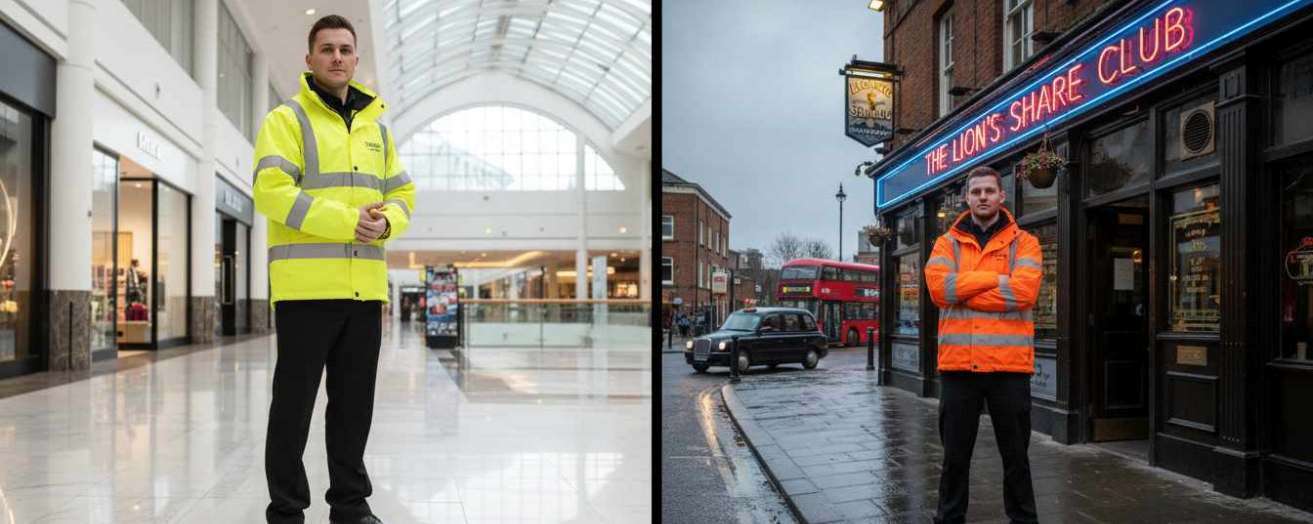


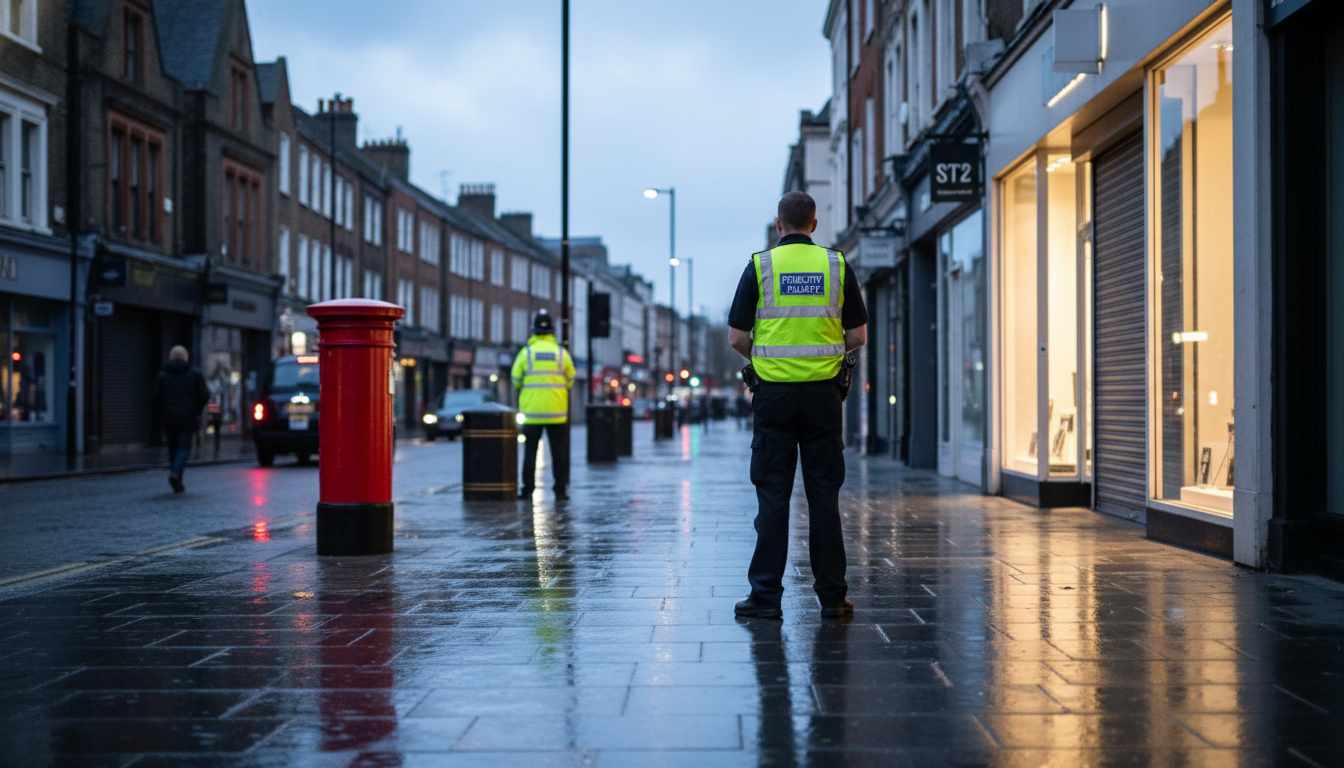



When the UK’s business leaders start calling crime a “serious barrier” to growth, the security industry should sit up straight. A new Guardian report says bosses across retail, logistics and hospitality are losing patience with shoplifting, freight theft and antisocial behaviour — and they’re ready to spend their way out of it. For anyone holding an SIA licence, that’s not just a headline. It’s a hiring signal.
Here’s what’s coming, who’s buying, and how to position yourself before the contracts go out.
Why Business Leaders Are Sounding the Alarm
According to The Guardian, senior figures from major UK employers told the government that crime is now denting investment decisions. Retail bosses point to organised shoplifting gangs. Logistics firms cite lorry break-ins on motorway laybys. Hospitality operators are tired of staff being threatened on late shifts.
The message to ministers was blunt: police response times aren’t cutting it, and businesses are filling the gap themselves. That gap has a name: private security.
Recommended Reading: Should Retail Security Guards Carry Pepper Spray?
The Sectors About to Spend Big
Three industries are showing the clearest demand signals right now.
Retail
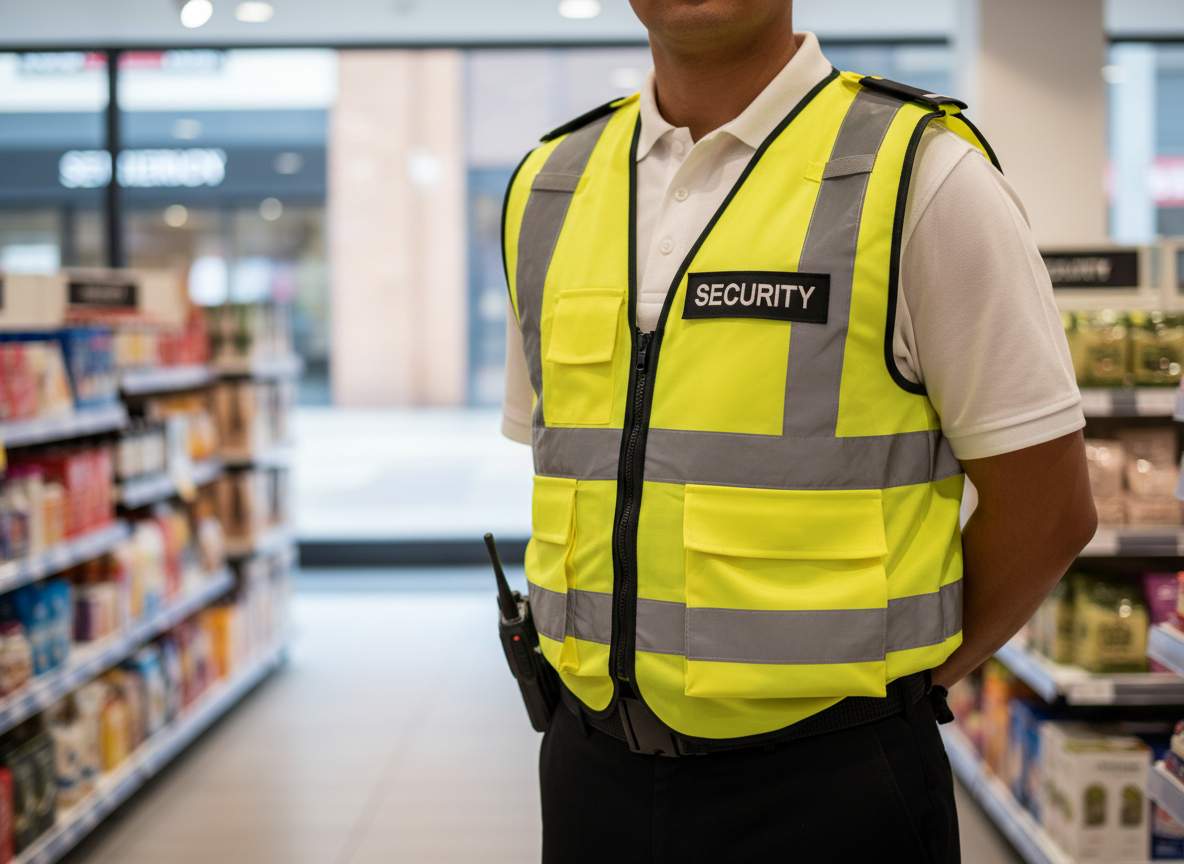
The British Retail Consortium has been warning about a shoplifting epidemic for two years. Supermarkets and high-street chains are bringing in uniformed officers, body-worn cameras and loss-prevention teams. Expect more contracts for retail security officers and store detectives, especially in city centres and out-of-town retail parks.
Logistics and Warehousing
Freight crime costs UK hauliers an estimated £250 million a year, according to industry figures cited by trade press. Distribution centres around the M1, M6 and M25 corridors are hiring static guards, mobile patrol officers and CCTV operators. If you’ve got a CCTV licence alongside your DS ticket, you’re suddenly twice as useful.
Hospitality
Door supervisors already know hospitality. What’s changing is that smaller venues — gastropubs, late-night cafés, festival pop-ups — are now budgeting for licensed door staff where they previously got by without. Summer 2026 is shaping up to be a busy season.
The Roles Employers Are Actually Advertising
Scanning the job boards over the past month, a few patterns stand out:
- Retail loss prevention officers — uniformed and plain-clothes, often £13–£15 an hour in London.
- Mobile patrol drivers — your own clean licence plus an SIA badge can push pay above £14 an hour.
- Warehouse and DC guards — nights pay well, and many sites want long-term contractors rather than agency churn.
- Event and festival security — short-term but stackable across the summer.
- Close protection for executives — quieter demand, but rising as business travel picks up.
How to Position Yourself Before the Contracts Land
If you’re already licensed, this is the moment to tidy up your offer. A few things consistently move officers to the top of the pile:
- Stack your licences. A door supervisor badge gets you through one door. Add CCTV training, and you’re eligible for control-room shifts and mobile patrols. Add a close protection qualification, and you’re in a different pay bracket entirely.
- Get your first aid certificate current. Retail and logistics clients increasingly ask for it on tender documents. It’s a cheap win.
- Sharpen your CV. List specific venues, not just “nightclub in Manchester”. Procurement teams want to see scale and risk level. If you’ve done crowd management for 5,000-capacity events, say so.
- Know your conflict management. Body-worn cameras are now standard in retail security, and employers are screening hard for officers who can de-escalate rather than escalate. Any extra training here pays for itself.
What About New Entrants?
If you don’t yet hold a licence, the timing is good. Training providers are reporting strong enrolment, but courses are still running weekly across most UK cities. A door supervisor training course is the standard starting point — it qualifies you for the broadest range of work and takes around six days.
From there, the SIA licence application typically takes four to six weeks. Plan for that lead time if you want to be working by late summer.
The Bigger Picture
The Guardian piece is really a story about confidence — business leaders are saying they can’t grow if they can’t keep their stock, staff and customers safe. That’s a grim verdict on policing, but it’s a clear opportunity for the licensed security workforce.
Contracts follow money, and right now the money is moving toward private security. Officers who are ready — with the right tickets, a clean record and a sharp CV — will be the ones who benefit.
If you’ve been thinking about upgrading your licence or getting into the industry, the next three months matter. Don’t wait for the rush. Book a course now!