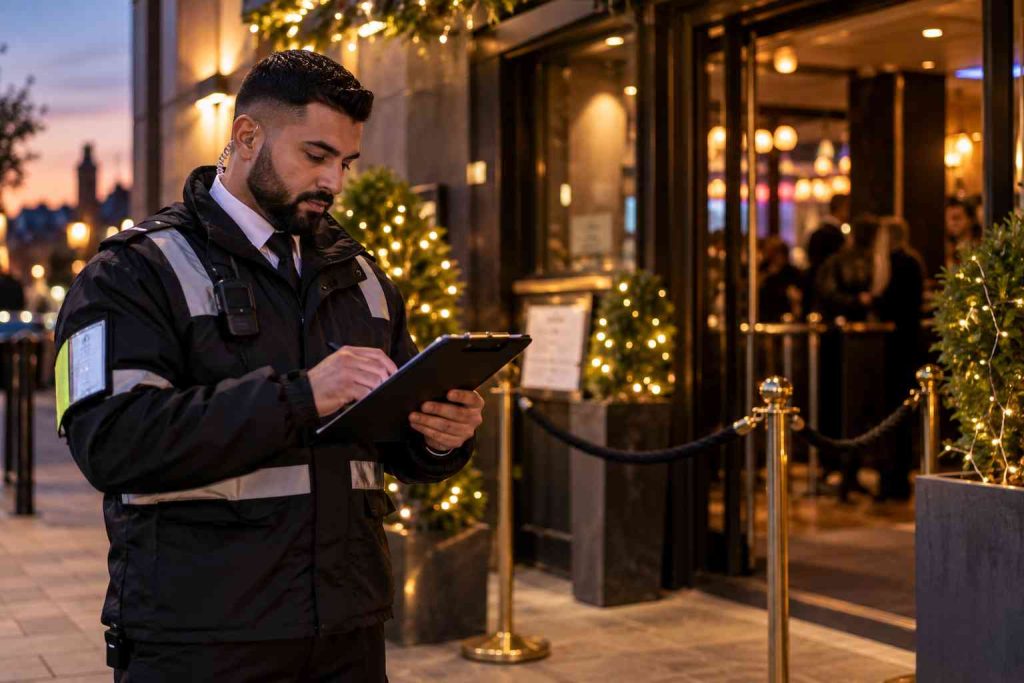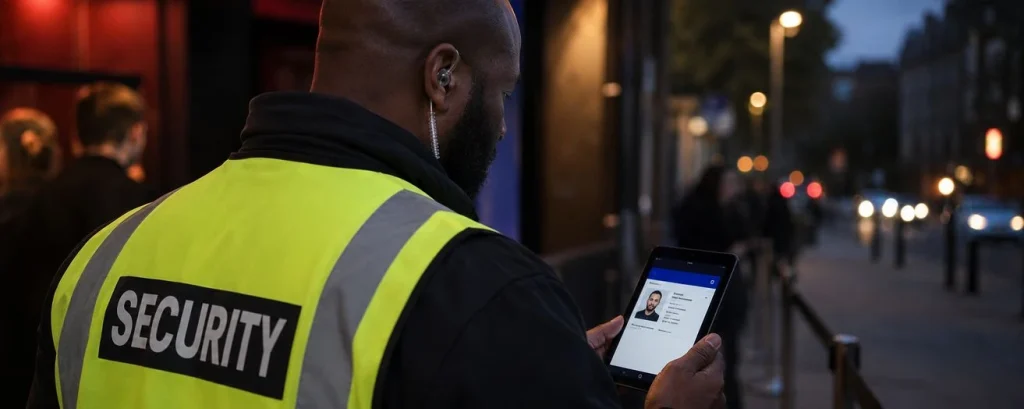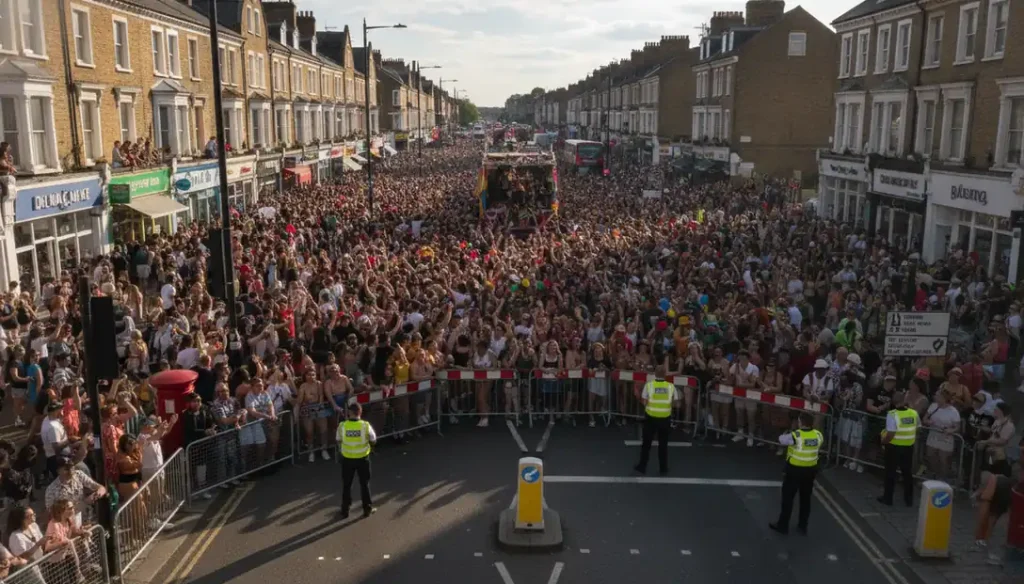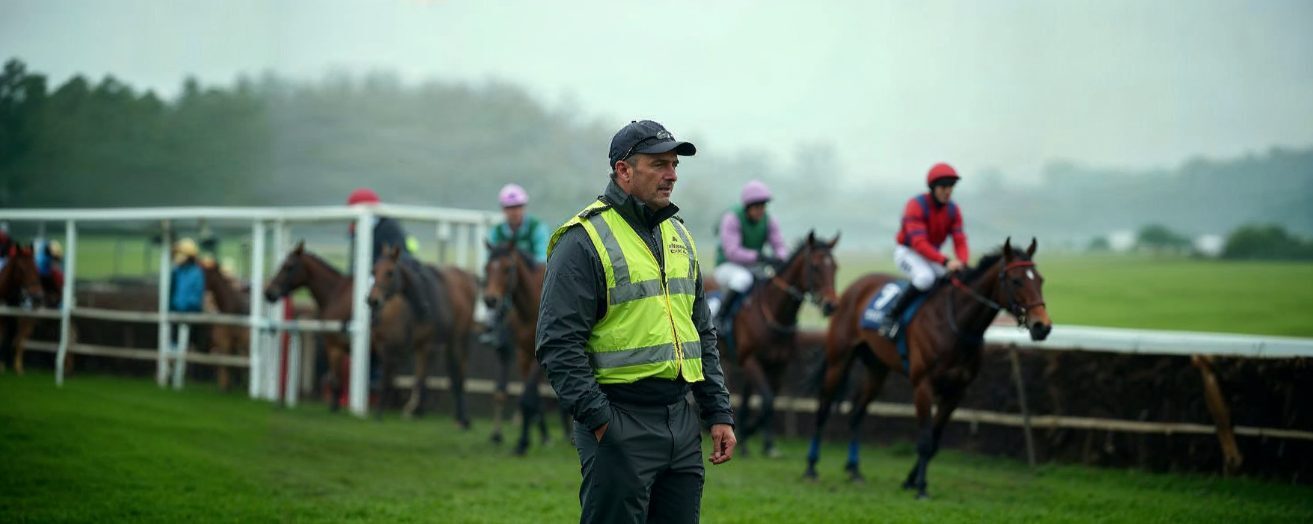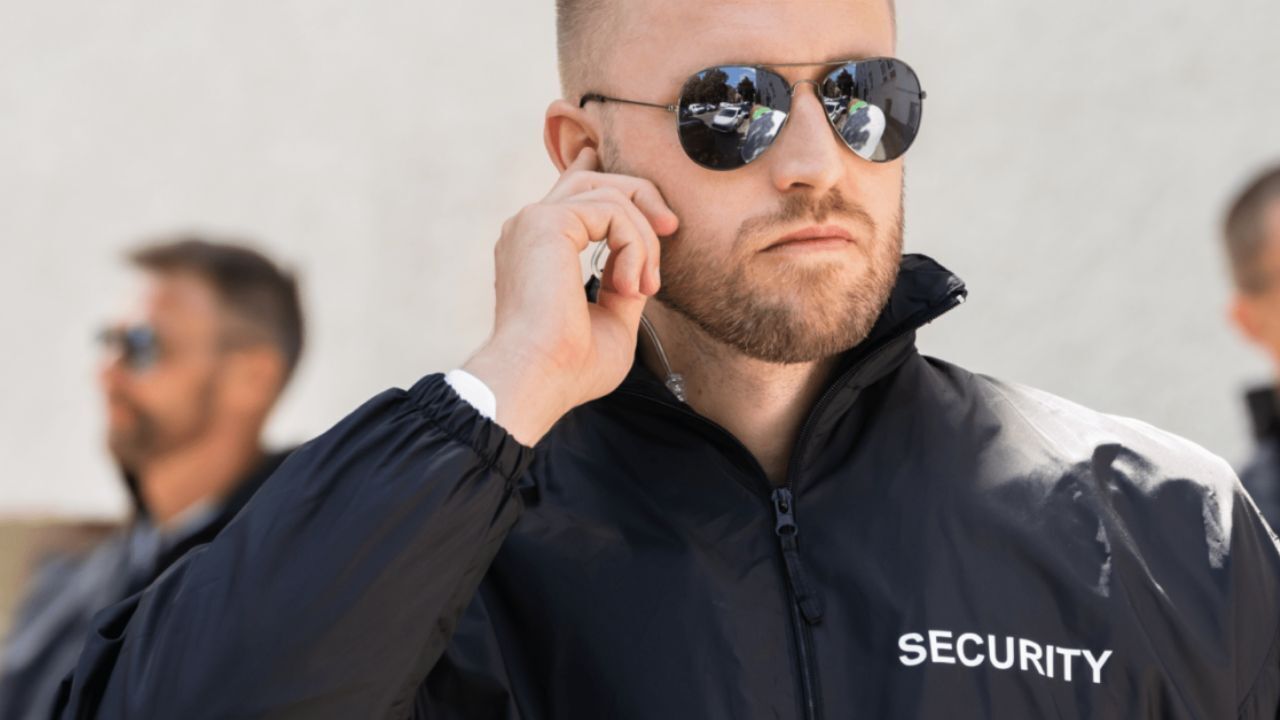


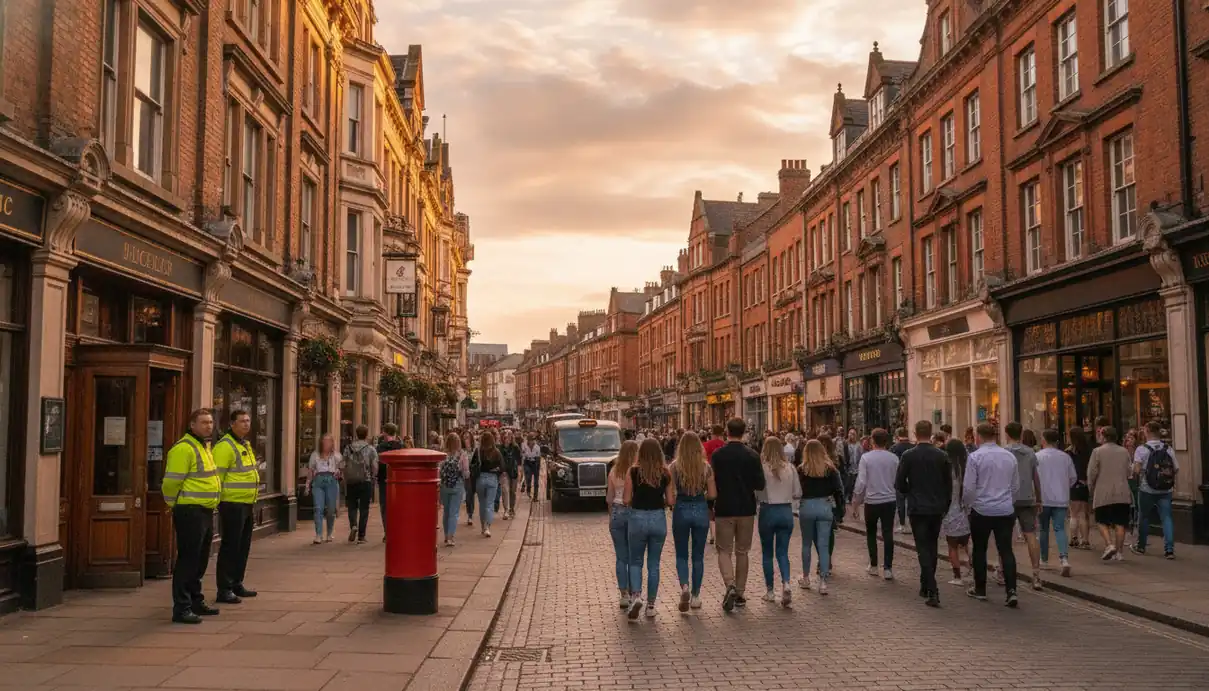



Every July, something predictable happens in UK town centres. The schools break up, the weather (usually) holds, and the pavements outside pubs, chicken shops, and taxi ranks get louder, later, and busier. For working door supervisors, that’s not just noise — it’s opportunity.
Summer is when venues that normally run with a lean door team start ringing around for extra cover. If you know where to look and how to pitch yourself, July and August can be two of the strongest earning months of the year.
Why July Footfall Spikes
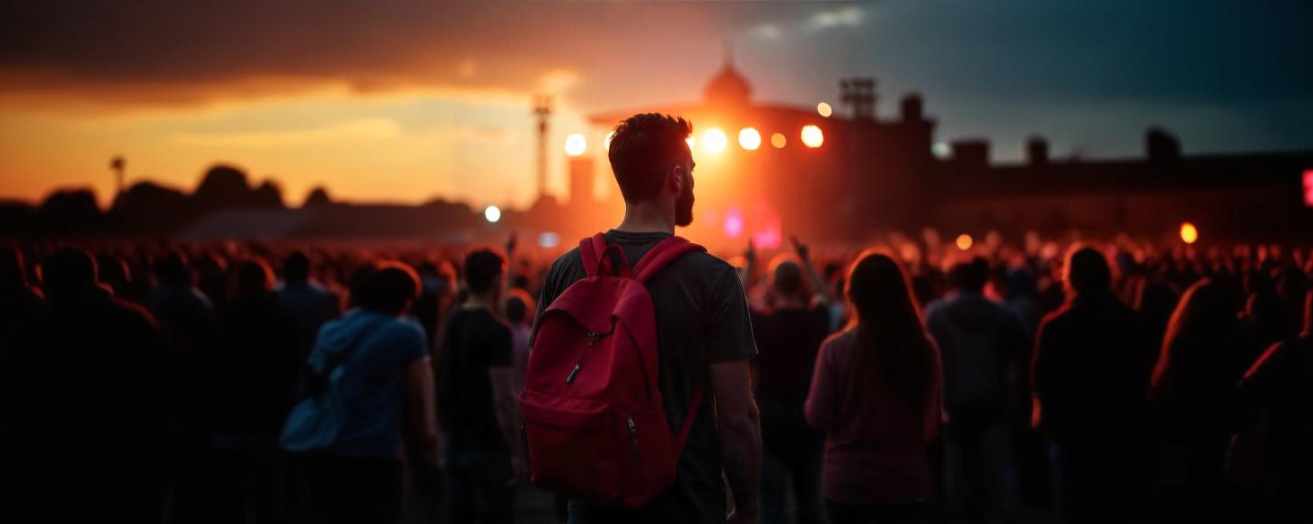
The pattern isn’t complicated. School holidays mean parents socialise more, students are back in their home towns, and the under-25 crowd stays out later because they don’t have a 7 am alarm. Add tourists, outdoor events, and the fact that beer gardens actually get used, and you’ve got a six-to-eight week window where venues are running hotter than usual.
Pubs and wet-led venues are consistently the biggest winners from warm summer weather — hot spells reliably lift trade, and industry sales trackers have shown wet-led pubs outperforming restaurants and bars over the summer months. More customers, later hours, and more alcohol served — that’s the maths that drives door team demand.
Which Venues Are Actually Hiring in Mid-Season
The obvious ones are late-night bars and nightclubs, but they’re often already staffed. The mid-season opportunities tend to sit somewhere else:
- Pubs that don’t normally run door staff — many wet-led community pubs only bring in SIA-licensed cover on Fridays and Saturdays in summer, or for specific events like a big football match or a beer festival.
- Fast-food venues after 10 pm — chicken shops, kebab houses, and late-night takeaways in busy strips often use door supervisors on peak nights, ome as a condition of their late-night licence.
- Transport hubs and taxi ranks — some councils and private operators bring in extra cover for late-night dispersal points.
- Beer gardens and outdoor terraces — venues with extended outdoor areas often need a dedicated supervisor watching that space.
- One-off events — summer festivals, open-air cinemas, food markets, and sporting fan zones all tender for short-term cover.
Recommended Reading: 10 Summer Events You Can Work With a Door Supervisor Badge
How to Approach Venues Directly
If you’re relying purely on the agencies, you’re competing with everyone else on their books. The supervisors who do best in summer knock on doors — literally.
Walk into venues in the late afternoon, before service ramps up. Ask for the licence holder or duty manager. Have a clean copy of your SIA licence ready to show, a phone number, and your availability for the next four weeks written down. That’s it. No CV padding, no waffle.
Be specific about what you offer: nights you can work, whether you drive, whether you’re comfortable working solo or prefer paired shifts, and any first-aid or conflict management tickets you hold beyond the basic licence.
Recommended Reading: The Real Truth About UK Security Salaries in 2026
Shift Patterns That Open Up in Summer
The shifts on offer in July tend to look different from the rest of the year:
- Thursday nights — often quiet in winter, but a genuine trading night in summer.
- Sunday afternoons and evenings — beer gardens on a hot Sunday can be busier than a wet Saturday in November.
- Late finishes — closing times drift, and you may be asked to stay 30–60 minutes beyond your booked finish.
- Event doubles — a football final, a music festival, a stag-do heavy Saturday. Some supervisors work a 6 pm–10 pm event slot and then move to a nightclub door until 4 am.
On pay, summer is when you have leverage. If a venue is ringing you on a Friday afternoon asking if you can cover that night, your rate is not the winter rate. Know your worth and don’t undercut yourself.
Working Hot Summer Nights: The Welfare Basics
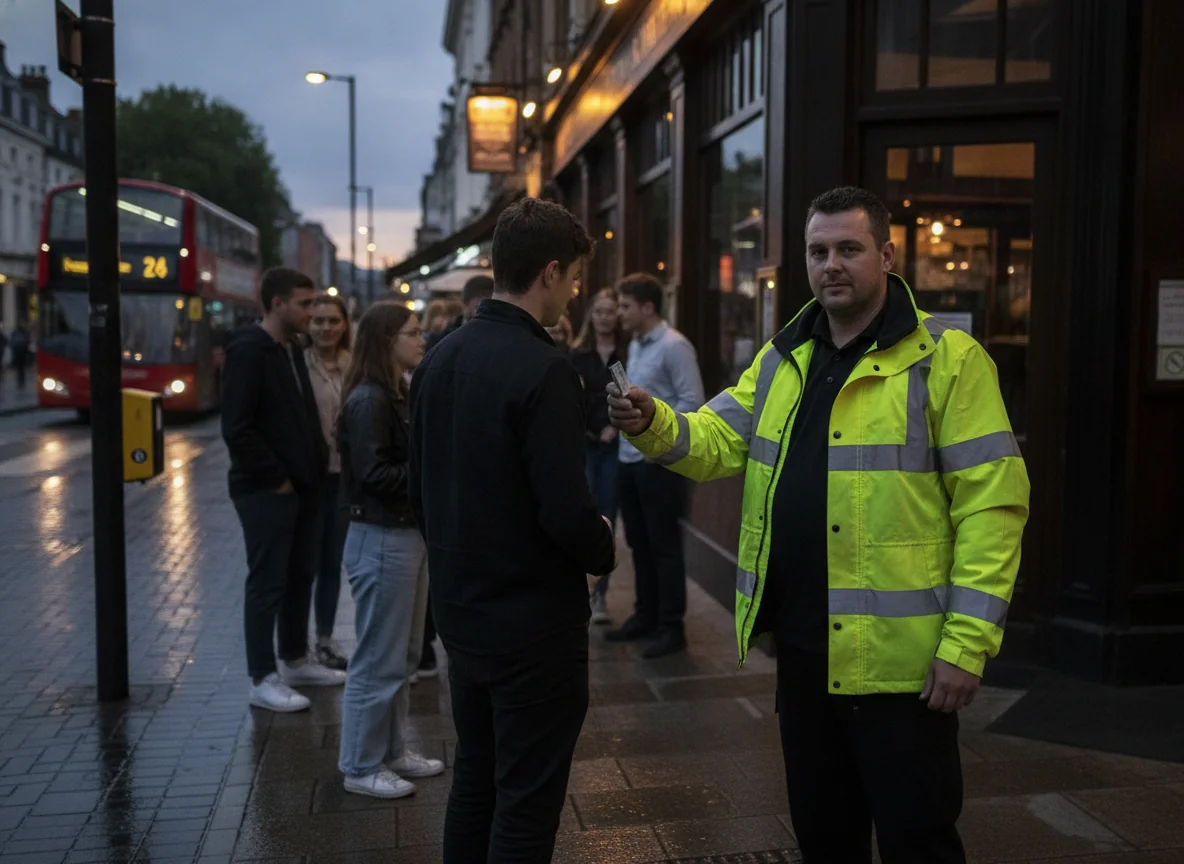
Standing on a door in July isn’t the same job as standing on a door in January. The welfare risks are different, and they’re real.
Hydrate throughout the shift, not just when you feel thirsty. If you’re in a black uniform on a warm night, you’ll lose more fluid than you think. Keep a water bottle behind the door and use it.
Sunburn is a genuine risk for earlier shifts — a 6 pm start in July is still full daylight. Lathering on sunscreen isn’t soft, it’s sensible.
Fatigue creeps in faster in the heat, and that’s when incidents get mishandled. Take your breaks. If a venue is refusing to give you a proper break on a busy summer shift, that’s a red flag about how they treat their door team all year round.
Finally, watch the crowd for heat-related issues. Overheated, over-refreshed customers are more likely to faint, argue, or lose their footing. Keeping your Emergency First Aid at Work (EFAW) certificate current pays for itself in a summer where you’ll likely deal with more medical incidents than usual.
The Bottom Line
July and August aren’t just busier — they’re the months where a proactive door supervisor can genuinely shape their income for the rest of the year. Pick up new venue contacts now, prove yourself on a few summer shifts, and you’ll be first on the list when Christmas cover comes round in November. And if your license is nearing its expiry, book your refresher training course ASAP to avoid delays down the line.
The work is there. The question is whether you’re going to wait for the phone to ring, or go and find it.