


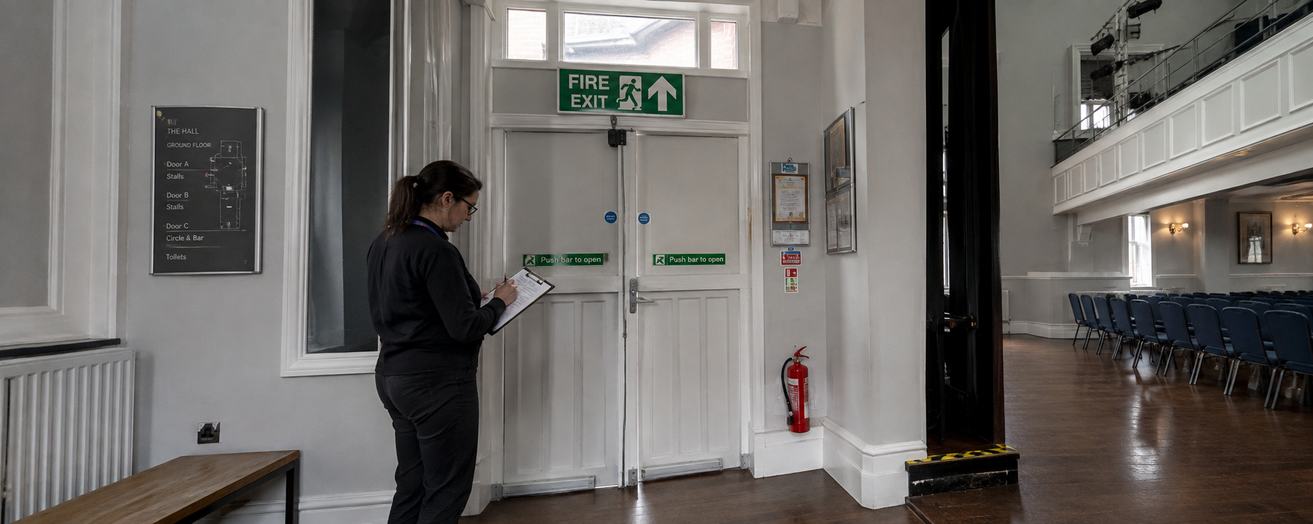



Enforcement is still over a year away, but some venues aren’t waiting to find out what “reasonably practicable” means in practice. Spatial mapping firm Richpix 360 has just expanded its regional footprint, scaling up the 3D digital-twin and cartography work it does for venues preparing for Martyn’s Law. That’s a signal worth paying attention to, whether you run a 200-capacity bar or a 5,000-seat arena.
What The Data Shows
Richpix 360 opened a new office in Ripon this year, adding to its existing hubs in Birkenhead and Barnsley. The expansion is aimed at growing its cartography and 3D digital-twin capacity across North Yorkshire and the North East, as an estimated 200,000 to 300,000 UK venues prepare for compliance duties under Martyn’s Law.
That’s a big number, and it lines up with the SIA’s own estimate that over 155,000 standard-tier premises and 25,000 enhanced-tier premises will fall within scope. Either way, the scale is the same story: hundreds of thousands of venues, from pubs to shopping centres, need to get their house in order before enforcement lands.
It’s also a reminder of where things actually stand. Our Martyn’s Law timeline covers the full nine-year journey from the Manchester Arena attack to Royal Assent, but the short version is this: the SIA’s public consultation on its section 12 guidance, which sets out how it will use its enforcement powers, has now closed, with final guidance and a full consultation report expected in autumn 2026. Enforcement itself isn’t expected until spring 2027. So Richpix’s expansion isn’t a reaction to new rules kicking in — it’s a bet that demand for compliance documentation will keep growing well before the deadline.
What Venue Owners Should Know
Martyn’s Law splits venues into two tiers based on capacity, not typical footfall.
- Standard Duty (200–799 capacity): basic procedures — evacuation, invacuation, lockdown, and communication plans.
- Enhanced Duty (800+ capacity): all of the above, plus documented plans, a named responsible person, regular training, and risk assessments the SIA can inspect on request.
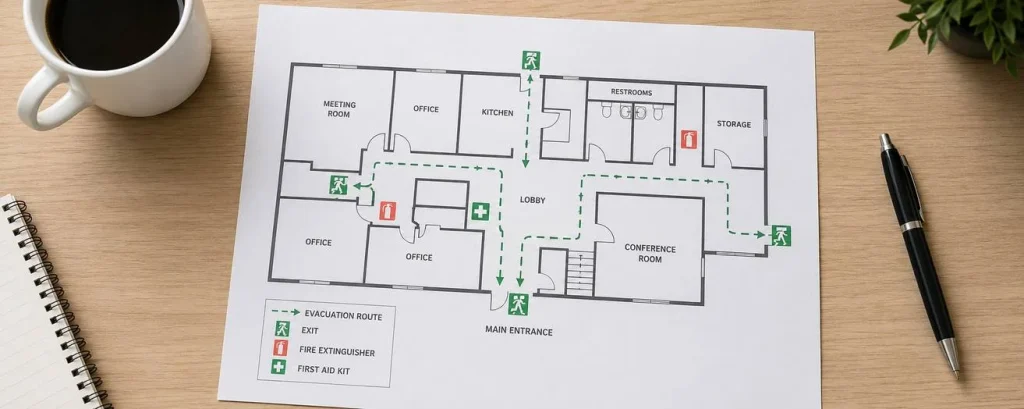
Digital twins and 3D mapping, the kind of work Richpix does, aren’t a legal requirement. They’re a tool some venues are choosing to use to document layouts, evacuation routes, and vulnerabilities more thoroughly than a standard floor plan allows. For a large or complex site, that can genuinely help. For most venues, it’s optional, a point our statutory guidance breakdown also makes clear.
What To Do About It
You don’t need to hire a spatial mapping firm to comply with Martyn’s Law. What you do need, regardless of size:
- Know your tier. Work out whether you’re Standard or Enhanced Duty based on capacity, not average attendance.
- Read the statutory guidance. This will help you understand what’s expected in plain terms.
- Write your procedures down. Evacuation, invacuation, lockdown, and communication plans — even a basic version is better than nothing.
- Train your staff on your site, specifically. A generic SIA licence covers the fundamentals, but Martyn’s Law requires training tied to your venue’s own layout and procedures. Door Supervisor Training and Security Guard Training cover the fundamentals your team needs first.
- Consider whether a voluntary qualification helps your managers. The CPIW qualification is one option worth knowing about, though it isn’t required for compliance.
If mapping tools like Richpix’s help you get there faster, that’s a decision for your venue to make. But the underlying legal duty can be met with existing staff, free government guidance, and a plan that’s actually written down and practised, as we’ve set out from the very start of this legislation’s journey in our Protect Duty explainer.