




The Home Office has published its Police use of artificial intelligence factsheet, and if you’re a CCTV operator who shares footage with police or shares a control room with them, you should read it. Or read this. We’ve done the squinting for you.
The factsheet covers AI-assisted surveillance, live facial recognition, and how data flows between forces and third parties. It’s not a new law. It’s a signal — a Home Office statement of how police intend to use these tools and what they expect from partners. For CCTV operators, that second bit is the whole story.
Why This Matters to CCTV Operators
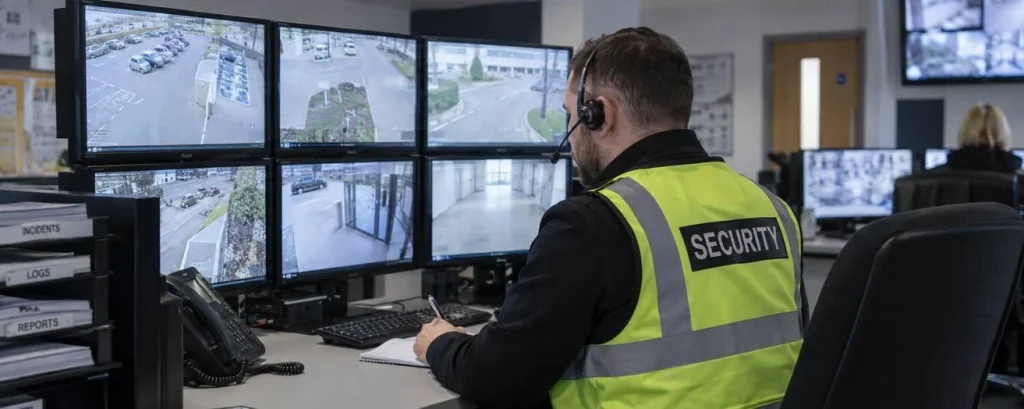
You are the partner. When police pull footage from a shopping centre, a venue, or a town-centre scheme, your operators are the ones pressing export. When live feeds run into a joint control room, your kit is part of the chain. If AI sits anywhere on that chain — even on the police end — your processes get pulled into the conversation.
The factsheet, according to the Home Office, frames AI as a tool to assist officers, not replace decisions. That’s the official line. The practical reading for operators is simpler: if your footage trains, feeds, or triggers an AI system used by police, you need to know what you handed over and why.
Facial Recognition: The Bit Everyone’s Watching
Live facial recognition is the headline-grabber. The factsheet sets out that police deployments rely on watchlists built for a specific operation, with matches reviewed by an officer before any action. The Home Office has been clear, in earlier statements to the BBC and others, that the tech assists — it does not arrest people on its own.
For CCTV operators, three questions matter:
- Is your camera feed being used for live facial recognition, or just for retrospective review?
- Have you got a data-sharing agreement that actually covers AI processing, or is your paperwork from 2018?
- Have you told the public, via signage, that AI-assisted identification may take place?
If you can’t answer all three, you’ve got homework. A refresher on the basics of what a CCTV operator actually does day-to-day isn’t a bad starting point for new starters on your team either.
Recommended Reading: Can AI Robot Dogs Replace Door Supervisors?
What the Surveillance Camera Code Still Demands
The Surveillance Camera Code of Practice has not gone away. Its 12 guiding principles — proportionality, transparency, accountability, clear policies on access and retention — still apply, and the Information Commissioner’s Office has been vocal that AI doesn’t get a free pass on UK GDPR.
In plain terms: if an AI tool processes a person’s image from your camera, that’s still personal data. You still need a lawful basis. You still need a Data Protection Impact Assessment if the processing is high-risk, and facial recognition almost always is.
The factsheet doesn’t override any of that. It sits alongside it.
What to Record, Every Time
When police request footage, especially for anything AI-adjacent, your log should show:
- Who requested it (named officer, force, collar number).
- The legal basis cited — usually a Section 29 DPA request or a warrant.
- What footage was shared, covering which time window.
- Whether the request mentioned AI processing or facial recognition.
- Who approved the release on your side.
Boring? Yes. The thing that saves you when the ICO comes knocking? Also yes.
Recommended Reading: CCTV Jobs You Can Get With An SIA Licence
Joint Control Rooms: The Grey Zone
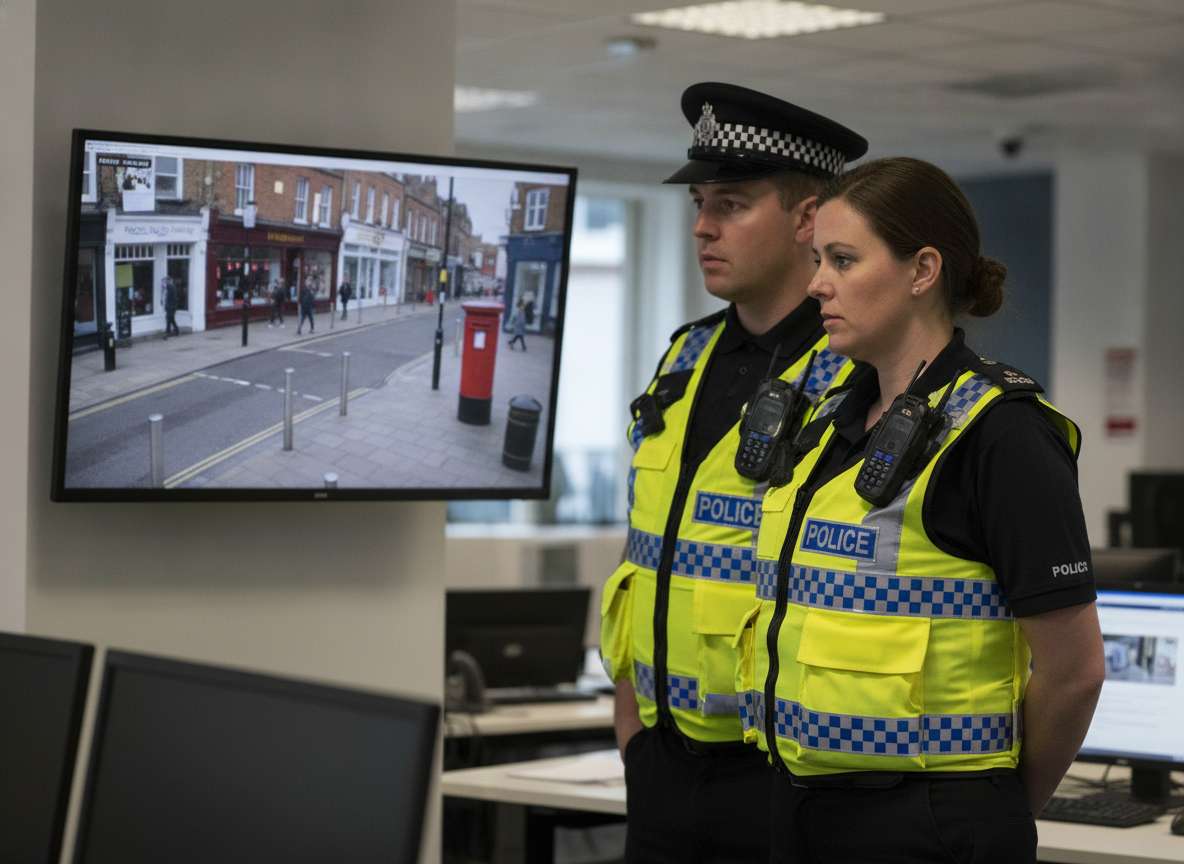
Plenty of town-centre and transport schemes run with police officers sitting alongside civilian operators. The factsheet’s framing of AI as an officer-assist tool raises an obvious question: if an officer in your control room runs a face match against a police watchlist using a force device, whose processing is that?
The honest answer is: it depends on your partnership agreement. The safer answer is: get that agreement reviewed now, before the question is asked by a regulator rather than a colleague.
A good CCTV operator training course should cover joint-working protocols, but most don’t go deep on AI yet. Expect that to change over the next 12 months. And if you’re nearing licence expiry and want to learn about funding opportunities, check out our blog on free CCTV training.
What Operators Should Do This Week
You don’t need a six-month consultancy project. You need a short, honest stocktake.
- Pull your data-sharing agreements with local police. Check the date. Check whether AI processing is mentioned at all.
- Review your public signage. Does it tell people their image may be used for automated identification?
- Refresh your operator briefings. Make sure every operator knows what to log when police request footage.
- If you run a joint control room, get the partnership terms in front of your DPO.
None of this is glamorous. All of it is the difference between being a useful partner and being the case study at next year’s ICO conference.
The Bigger Picture
The factsheet is one piece of a wider shift. Martyn’s Law is rolling in. The Surveillance Camera Code is under review. Police forces are buying AI tools faster than they’re publishing policies on them. The operators who get ahead of this — by tightening their SIA licence procedures and treating AI partnerships as a serious compliance question — will be the ones still trusted with the keys to the control room in five years.
The rest will be reading about themselves in a press release.