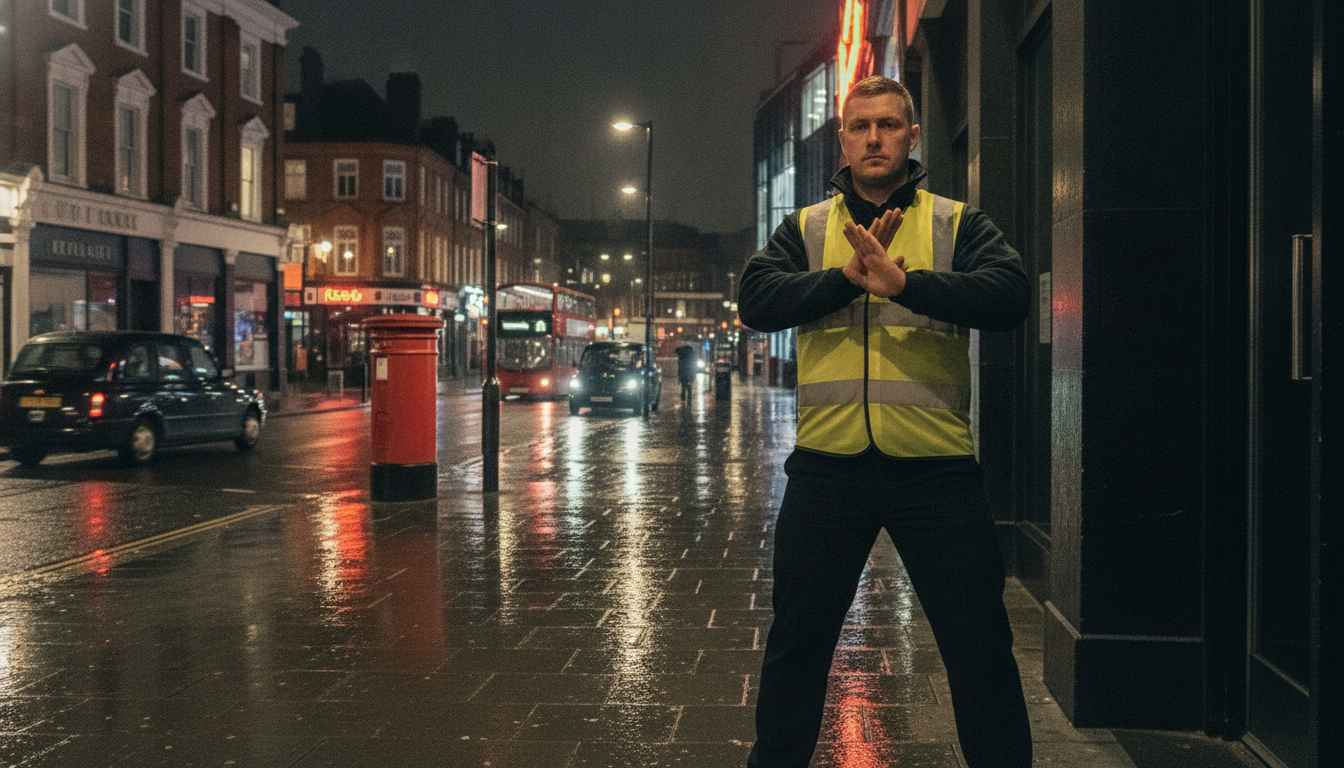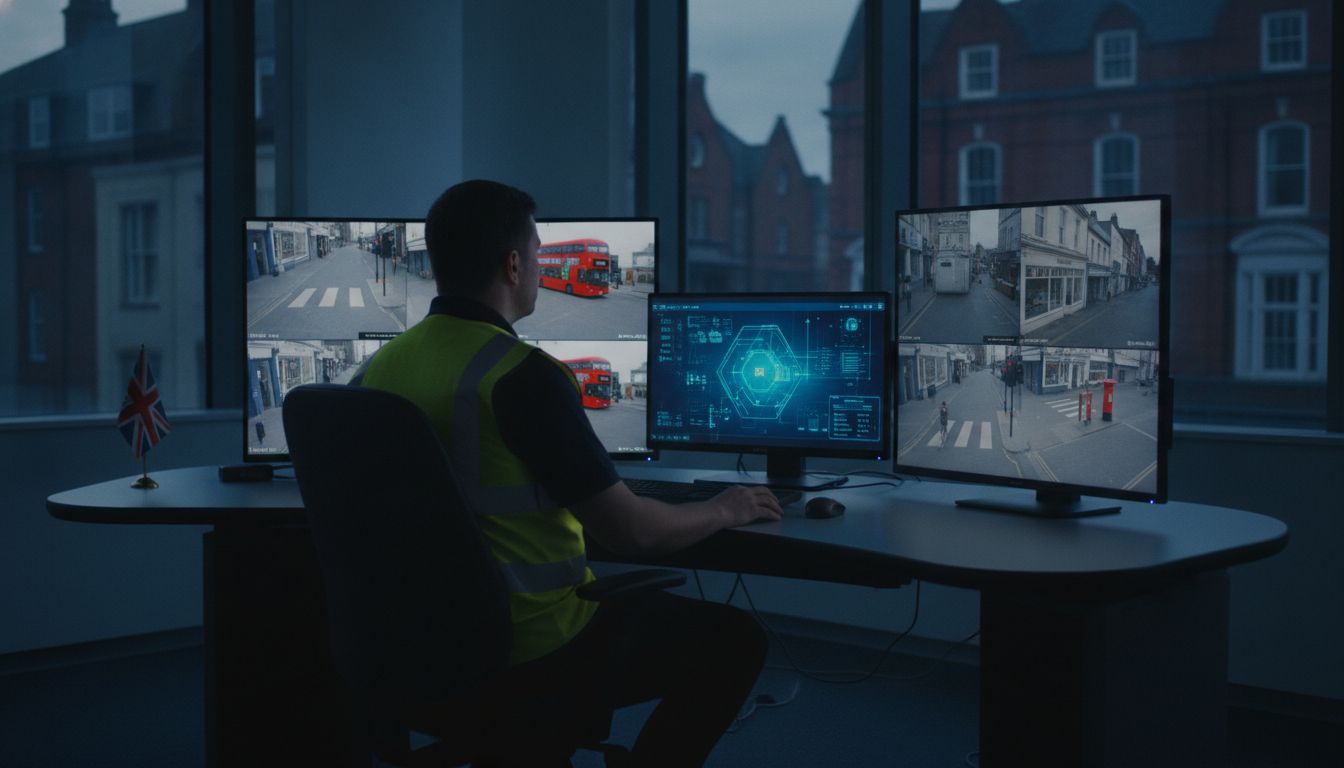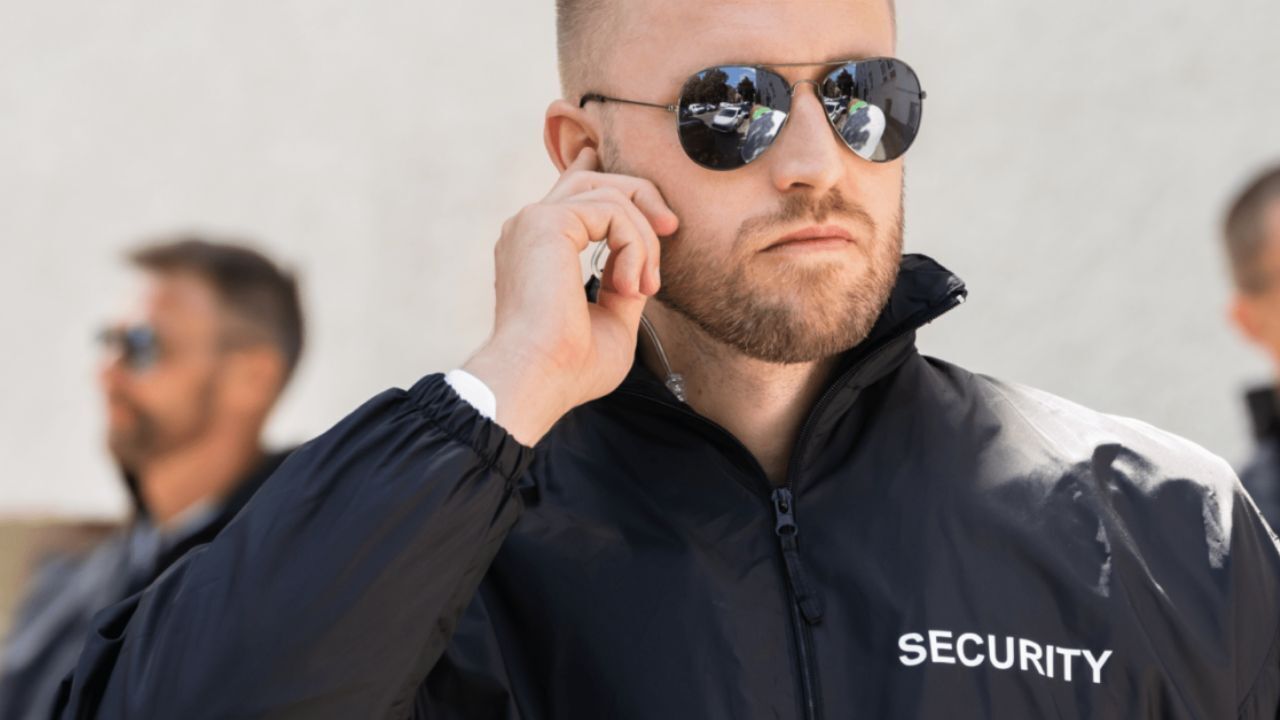






If you work the door, watch the cameras or patrol a hospital corridor, you’ve probably noticed the chatter about counterterrorism training getting louder. A new accredited programme launched by UK security bodies — including the Association of University Chief Security Officers (AUCSO) and the National Association for Healthcare Security (NAHS) — wants to give frontline staff something more substantial than a one-hour awareness module. According to Campus Security Today, the qualification is being pitched at door supervisors, CCTV operators and in-house teams at higher-risk sites, not just close protection officers.
So is it worth the time and the money? Short answer: probably, especially with Martyn’s Law enforcement landing in 2027 and UK’s threat level being raised to “severe” recently. Long answer below.
What the New Counterterrorism Qualification Actually Covers
This isn’t a replacement for ACT Awareness — it sits above it. Where ACT Awareness gives you the basics in about an hour, the new programme is a proper accredited course with an assessment at the end. Expect modules on threat recognition, hostile reconnaissance, behavioural detection, lockdown procedures and post-incident response.
The people behind it have built the syllabus around real venue types: universities, hospitals, transport hubs, large events. That matters. A door supervisor at a city-centre nightclub faces a different threat picture than a CCTV operator at an NHS trust, and the training is meant to reflect that.
It’s been developed by people who actually run security at these sites, not consultants flying in from outside the sector. AUCSO and NAHS, between them, represent thousands of officers across higher education and healthcare — two of the trickiest environments in the country to keep safe.
Recommended Reading: Why Security Guards Need Counterterrorism Skills
Who It’s Aimed At (And Who It Isn’t)
The marketing is clear: this is for frontline staff at higher-risk locations. That includes:
- Door supervisors working stadiums, arenas and large licensed venues
- CCTV operators at transport hubs, hospitals and universities
- Security officers in healthcare and education settings
- Event security teams covering crowded places
- Close protection officers wanting a recognised CT credential beyond their Level 3
If you do residential static work at a quiet office block, this probably isn’t aimed at you. But if your site falls under the standard or enhanced tier of Martyn’s Law, your employer is going to be looking for staff who can demonstrate proper CT competence — not just a tick-box e-learning certificate.
Recommended Reading: Martyn’s Law Guide for Security Officers
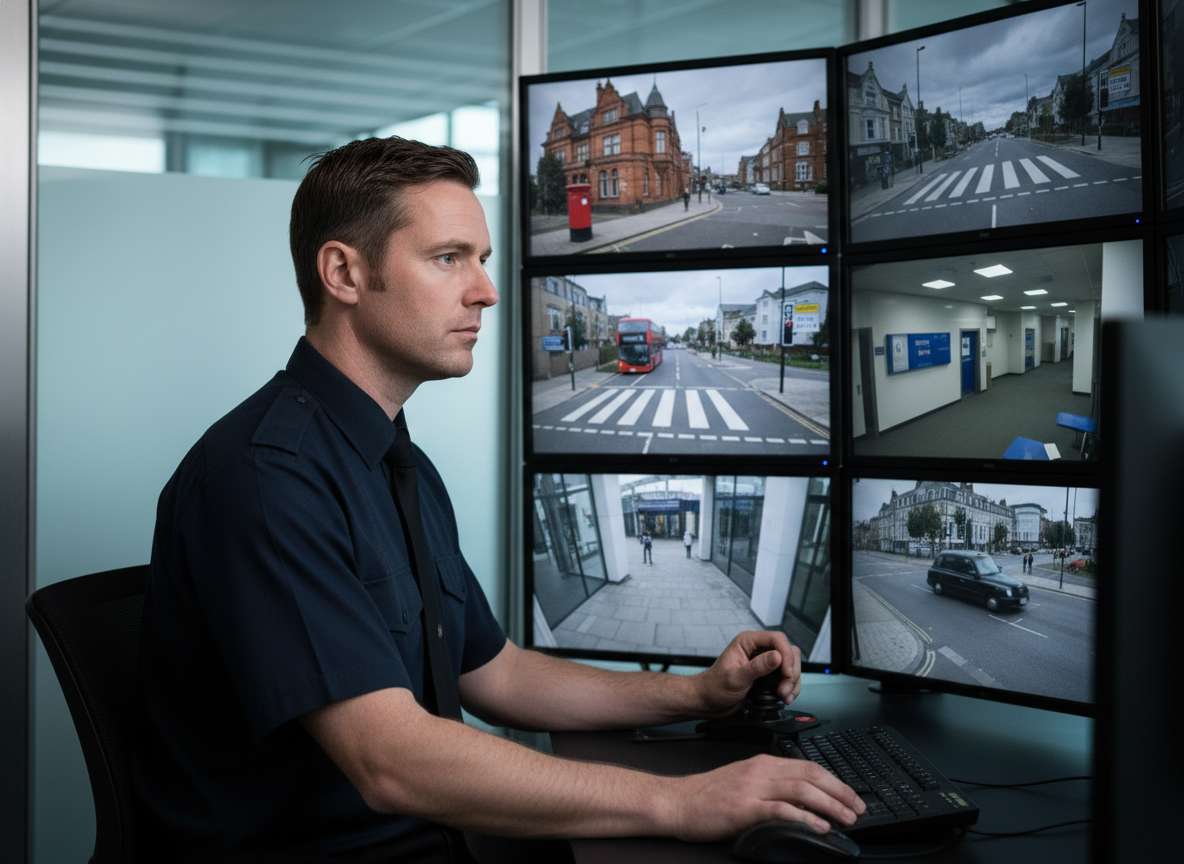
How Does It Compare to ACT Awareness?
ACT Awareness e-learning, run by Counter Terrorism Policing, is free, takes about 45 minutes, and gives you a solid foundation. Nearly two million people have completed it. It’s brilliant for what it is. It is not, however, a professional qualification.
The new programme is accredited, assessed and goes deeper. Think of ACT Awareness as your driving theory test and this as your Pass Plus. Both useful. Different jobs.
The other big difference is recognition. An accredited qualification sits on your CV with a credit value attached. ACT Awareness sits on your CV as a line that says “ACT Awareness completed”. Employers reading hundreds of applications notice the difference.
Will It Actually Move Your Day Rate?
Here’s the honest bit. A single qualification rarely doubles your rate overnight. But the security labour market is shifting fast, and operators bidding for contracts at venues covered by Martyn’s Law need to show their staff are trained beyond the minimum.
Three things are likely to happen between now and 2027:
- Contract specs will tighten. Venues in the enhanced tier — capacity 800+ — will be required to have specific procedures and trained staff. Procurement teams will start writing CT training into the contract requirements.
- Day rates will split. Officers with documented CT training will get pulled toward higher-tier sites paying better rates. Officers without will be competing for the bottom end.
- Insurance and liability pressure will grow. Insurers are already asking sharper questions about staff competency. Documented training reduces premiums and protects companies in the event of an incident.
So no, it won’t get you £30 an hour next Tuesday. But over the next 18 months, having it on your CV puts you in the pile that gets called back for the better gigs.
What It Costs and How Long It Takes
Pricing details are still being finalised through accredited training providers, and delivery format varies — some providers will run it as a one-day intensive, others as blended learning with online modules and an in-person assessment. Expect it to land somewhere in the same bracket as your refresher door supervisor training course rather than the cost of a full CP licence.
If your employer covers CPD costs, ask them. Many companies covering enhanced-tier sites are already budgeting for this kind of training ahead of Martyn’s Law enforcement.
The Verdict for Frontline Officers
If you work crowded places, transport, healthcare, education or large events — yes, this is worth adding to your CV. The Martyn’s Law clock is ticking, employers are looking for credible CT-trained staff, and a properly accredited qualification stands out next to a free e-learning certificate.
If you’re doing quiet static work and want a CT credential mainly for personal development, ACT Awareness probably still does the job. Save your money.
One last thing: do not let any SIA course replace common sense and live experience. The best counterterrorism asset on any site is a switched-on officer who knows their venue, knows their crowd and knows when something feels off. Training sharpens that instinct. It doesn’t replace it.
Keep your SIA licence application records tidy, keep your training log up to date, and watch how operators respond as Martyn’s Law gets closer. The officers who prepare now will be the ones picking the jobs in 2027.