




The UK national terrorism threat level has officially been raised from SUBSTANTIAL to SEVERE. Announced by the Joint Terrorism Analysis Centre (JTAC) on 30 April 2026, this change indicates that a terrorist attack in the UK is now considered highly likely.
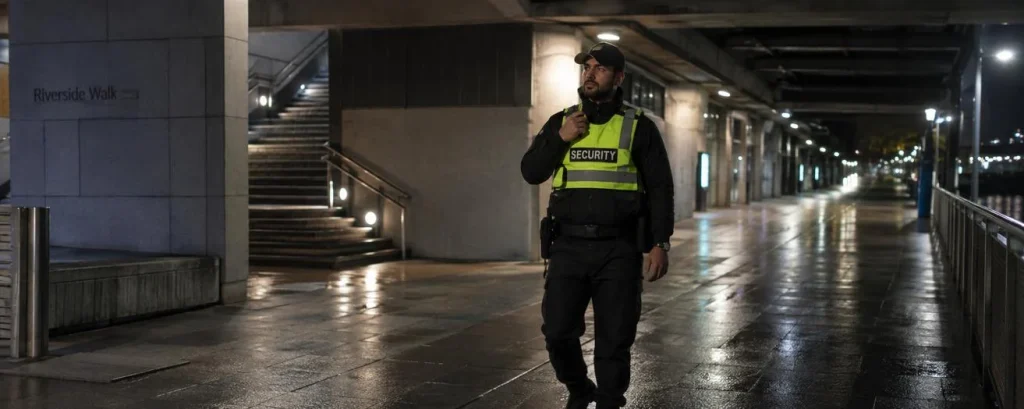
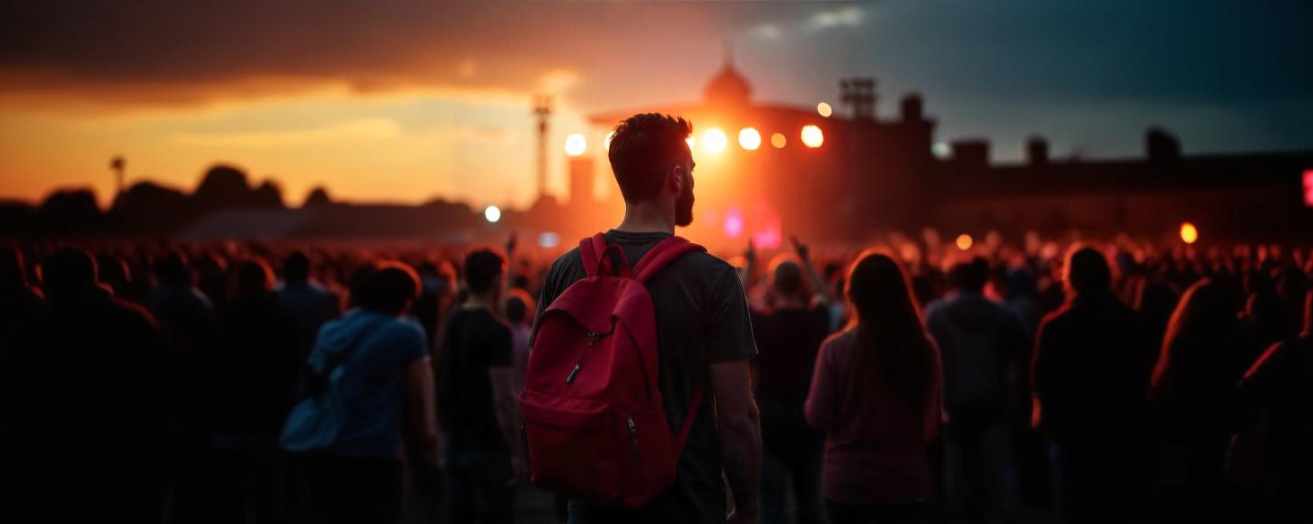
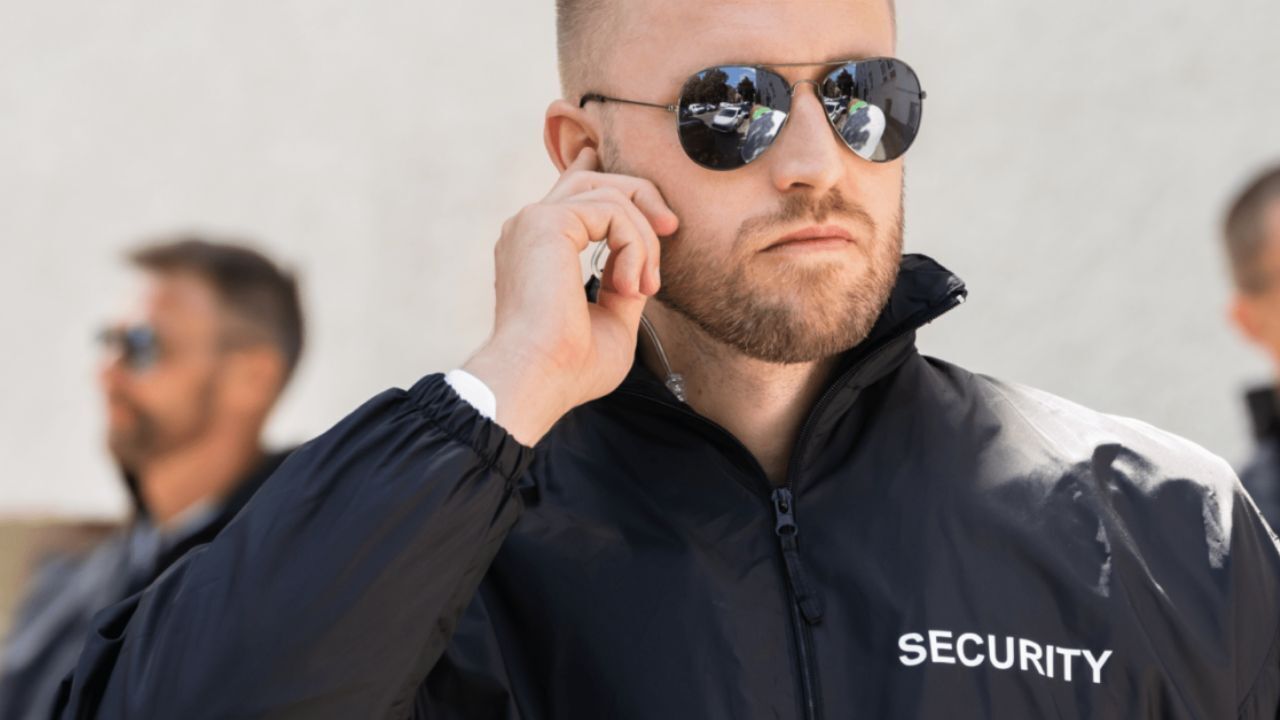
For the general public, the advice is to remain vigilant. But if you work in the private security industry, this is an immediate operational shift. Whether you are working on the doors of a busy nightclub or patrolling a retail centre, your role on the frontline requires an elevated level of focus and proactive risk management.
Why The Threat Level Increased
The increase follows the recent stabbing incident in Golders Green, North London, but Counter Terrorism Policing has made it clear that the change is not solely a result of that single attack. The threat level has been rising for some time, driven by an increase in both Islamist and Extreme Right-Wing terrorist threats from individuals and small groups based in the UK.
In response, ProtectUK is advising all businesses and organisations to review their protective security plans immediately. This is particularly relevant as venues prepare for the incoming requirements of Martyn’s Law and the Terrorism (Protection of Premises) Act.
Moving To A ‘Heightened’ Response Level
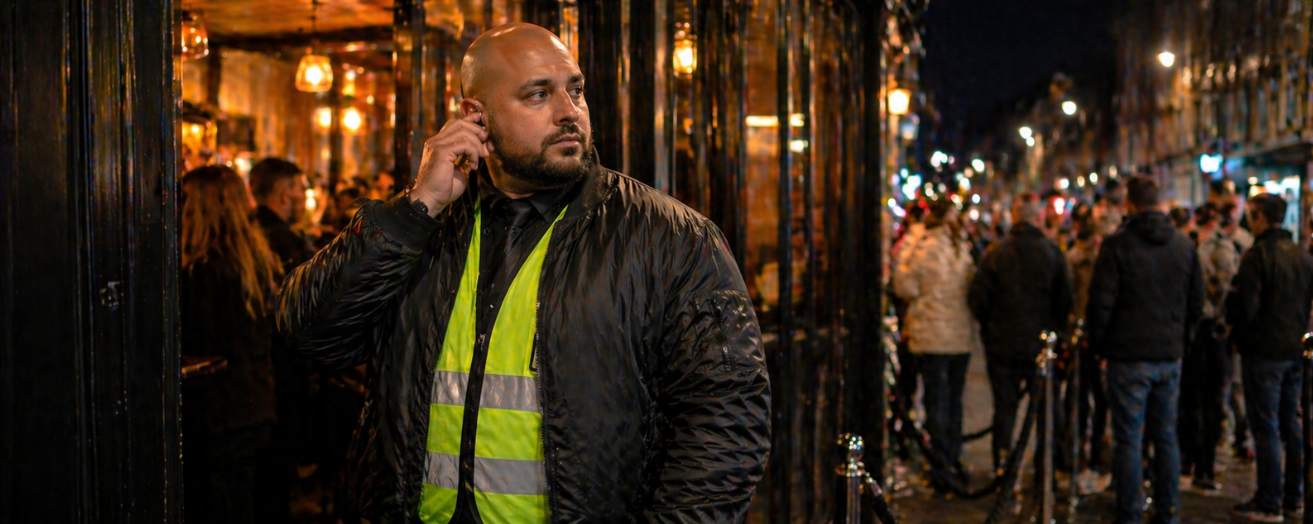
When the national threat level hits SEVERE, ProtectUK advises that the building response level should be set at ‘Heightened.’ For those working in security, this means “business as usual” is paused. You must consider additional, sustainable protective security measures that reflect the broad nature of the threat.
If you are a door supervisor or a security guard, there are immediate steps you should take on your next shift:
- Tighten Search Policies: Expect and enforce stricter bag checks and entry screening at all access points. Maintain consistency during busy periods and ensure all staff are aligned on the current protocols.
- Review Evacuation Routes: Before your shift begins, physically walk your evacuation, invacuation, and lockdown routes. Verify that they are clear, accessible, and that all staff know exactly where to direct the public in an emergency, as outlined in the recent Guide Shelter Report (GSR).
- Refresh Your SCaN Protocols: SCaN stands for See, Check, and Notify. It is vital to actively look for hostile reconnaissance or suspicious behaviour. If something feels wrong, report it immediately to 0800 789 321 or via gov.uk/ACT. In an emergency, always dial 999.
The Importance Of Up-To-Date Training
A SEVERE threat level highlights exactly why rigorous, up-to-date training is mandatory in the security sector. Knowing how to manage crowds, handle emergencies, and recognise terrorism threats are critical skills that require continuous refinement.
If your licence is coming up for renewal, ensuring you have completed your SIA refresher training is essential. These courses include vital updates on terror threat awareness and emergency first aid, ensuring you are fully prepared for the realities of the modern frontline.

A SEVERE threat level is a reason to be prepared and proactive. Stay sharp, support your team, and ensure your venue is ready.
Ensure your skills are sharp and your qualifications are valid. Find a course near you and book your SIA training with Get Licensed today.