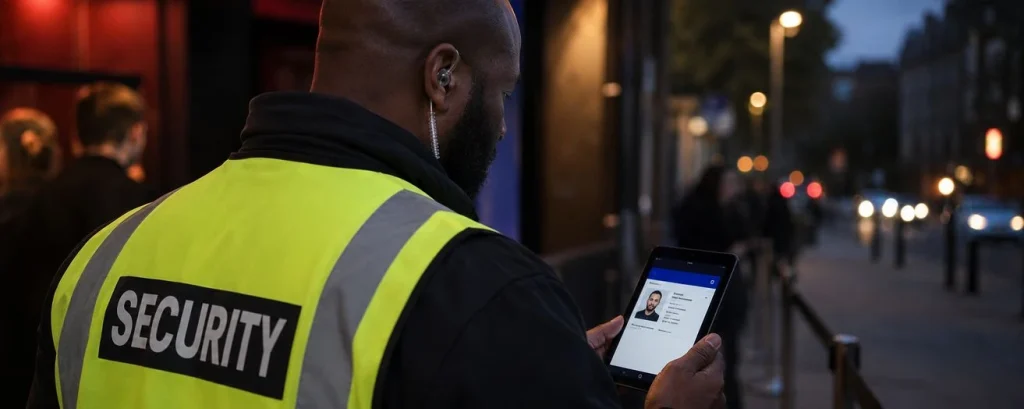






If you’re a retail security officer on an Asda contract, this is a week worth paying attention to. According to reporting by The Sun, Mitie is planning to cut security hours across roughly 100 Asda stores, with more than 300 guard roles affected. Some sites could see overnight cover reshaped. Others may move from two officers to one.
Nobody is calling it redundancy, and for many officers, the change may be manageable. But if your hours drop meaningfully, it’s worth knowing exactly where you stand — and what your next move could look like.
Here’s the good news up front: the UK security industry is short-staffed, retail experience is in demand, and officers who plan ahead tend to land well. Let’s walk through it.
First: Understand What’s Actually Happening to Your Contract
A cut in hours is not the same as being sacked, but the detail of how it’s done matters. A few things worth checking on your contract this week:
- Guaranteed hours. Does your contract state a minimum weekly figure? If it does, and your hours drop below it without agreement, that’s a contractual issue you can raise.
- Variation clauses. Many security contracts allow the employer to change hours “as the business requires”. These clauses aren’t unlimited, and a significant cut can still be discussed.
- Zero-hours status. If you’re genuinely zero-hours, you have fewer protections on hours, but you still keep accrued holiday pay and continuity of service.
If a change is large enough that the role isn’t viable, the law recognises something called constructive dismissal, where an employer’s conduct effectively forces a resignation. It’s a high bar, and it’s worth getting proper advice before making any decision. ACAS offers free guidance, and unions such as the GMB or Community can help members quickly.
Raise It Properly Before You React
If you’re unhappy with a change, put it in writing through the grievance process and give Mitie the chance to respond. Keep every email. That’s true whether you plan to stay, negotiate, or move on — it protects your position either way.
Second: Get Your SIA Licence Ready to Move
Your SIA licence belongs to you, not to Mitie. A new employer simply needs to verify it on the SIA’s public register — there’s no formal “transfer” process. Still, a few things are worth doing now, before you need them:
- Check your expiry date on the SIA register. If you’re within four months of expiry, look at starting your SIA licence renewal now rather than later.
- Update your address with the SIA if you’ve moved. Employers cross-check this.
- Get digital copies of your licence, Right to Work documents, and your last two payslips into one folder on your phone. Recruiters ask for these fast.
- Ask Mitie for a reference letter now, while you’re on good terms. It’s much easier to arrange while you’re still employed.
If you’re thinking about broadening your options, adding a second licence is one of the quickest ways to open new doors. A door supervisor course sits well alongside a security guard licence, and a CCTV operator course is a strong add-on for anyone with retail surveillance experience.
Recommended Reading: Retail Security Officer Checklist

Third: Know Where Retail-Experienced Officers Are Being Hired
This is where the picture gets more encouraging. Retail security experience — especially with any loss prevention exposure — transfers well into several sectors that are actively hiring.
Loss Prevention and Store Detective Roles
Retail crime has climbed sharply in recent years. The British Retail Consortium has reported record levels of shoplifting incidents, and chains including Tesco, Boots and the Co-op have been expanding plain-clothes loss prevention teams. If you can spot a repeat offender in a supermarket aisle, you’re already well-suited to these roles — and they often pay better than uniformed store guarding. Our guide to retail security jobs in the UK has more detail on what employers look for.
Transport and Logistics Security
Rail networks, bus operators and distribution hubs are hiring across the country. Network Rail contractors, TfL supply chain partners and major logistics operators such as DHL, XPO and Wincanton all need SIA-licensed officers. Nights and weekends often carry premium rates.
Event and Stewarding Work as a Bridge
If you hold a Door Supervisor licence alongside your Security Guard licence, event work can top up your income quickly. Football season, arena tours and Christmas markets all need staff right now. It’s a flexible option while you look for the right permanent role.
Corporate and Concierge Security
London, Manchester, Birmingham and Leeds all have a healthy demand for corporate reception and concierge officers. Pay is typically better than retail, the environment is calmer, and employers value presentation and communication skills as much as physical presence.
Fourth: Take Your Time With Any Paperwork
If Mitie offers you a new contract with reduced hours, a settlement agreement, or a “voluntary” variation, don’t feel pressured to sign on the day. Take it home. Read it twice. If a settlement agreement is involved, you’re legally entitled to independent legal advice, and the employer usually pays for it.
Pay particular attention to any clauses that waive your right to bring a claim. Once signed, those rights are gone.
The Bottom Line
Change at work is unsettling, but the wider picture for retail-experienced SIA officers is genuinely positive. The industry is short-staffed, your skills transfer well, and the officers who plan a few steps ahead tend to end up in better roles than the ones they left.
Check your contract. Sort your licence. Update your CV this week. And if you’re looking to broaden your options, browse our SIA training courses. Adding a door supervisor or CCTV qualification is one of the fastest ways to open up higher-paying work.
If you’re a Mitie officer reading this on shift — you’ve got more options than the headlines suggest. Use them.