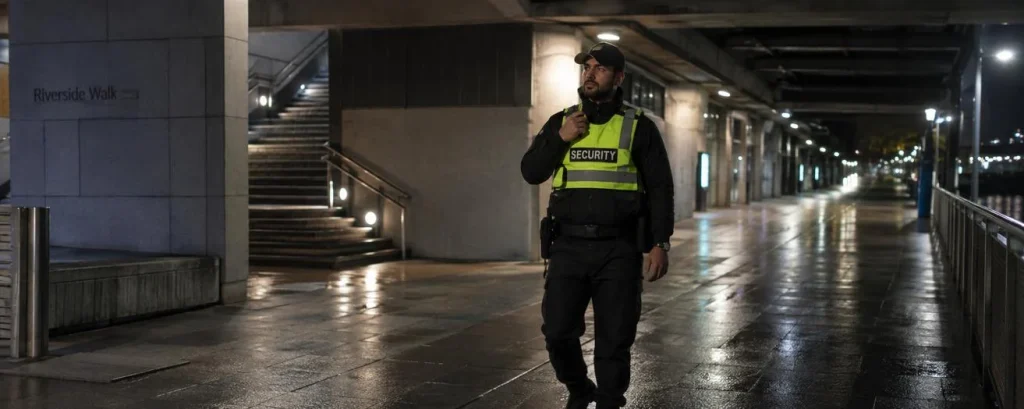




If you’ve ever worked the last hour of a 3 am licence, you already know what the data now confirms. A new study published in BMJ Public Health in April 2026 has found that extending licensed bar hours in Aberdeen to 03:00 was linked to an 11.4% rise in weekend alcohol-related ambulance call-outs — and a measurable jump in 3 am crime. For door supervisors, that’s not a headline. That’s a Saturday night.
The research, known as the ELEPHANT study (Evaluating Later and Expanded Premises Hours for Alcohol in the Night-time Economy), gives door staff something we’ve rarely had: hard numbers to bring to the conversation about staffing, closing protocols and late-night risk. It also lands at a moment when more UK councils are reviewing late-night licensing policies, which means the findings are likely to be cited in committee rooms for years.
What the ELEPHANT Study Actually Found
According to the BMJ Public Health paper, researchers evaluated what happened when Aberdeen extended licensed trading hours to 03:00, comparing outcomes before and after the change. The results, on the weekend at least, were stark.
- An 11.4% rise in alcohol-related ambulance call-outs on weekend nights.
- An 8.5% rise in reported crimes on weekend nights.
- Incident peaks shifting later into the small hours, rather than disappearing.
The headline finding matters because the trade argument for later licences has long been that staggered closing times spread crowds and reduce flashpoints. The ELEPHANT data suggests that, in Aberdeen at least, the extra trading window did not dilute trouble. It extended it.
It’s worth being precise about what the study does and doesn’t claim. The data runs to 2020, but these are the first robust UK findings of their kind and the direction is clear: extended hours, more harm. The researchers found a statistical association between extended hours and harm — not that every late-licensed venue causes more crime. Local factors matter: the density of premises, the dispersal infrastructure, the policing presence, and the type of crowd. But the direction of travel is the bit door staff should pay attention to.
Recommended Reading: New Reality of Door Supervision
Why This Matters on the Door
Door supervisors don’t need a peer-reviewed study to tell them that the last hour of a late licence is the hardest hour of the shift. But evidence published in a journal like BMJ Public Health changes the conversation with venue management, licensing committees and police partners.
Three practical shifts come out of the findings.
Crowd Dynamics Change, Not Just Timings
A later closing time doesn’t just push the same crowd back by 90 minutes. It changes who’s still drinking, how much they’ve drunk, and how tired your team is. Customers at 02:30 are not the customers you greeted at 22:00 — alcohol consumption is cumulative, judgement deteriorates, and confrontations escalate faster. Fatigue, theirs and yours, is a risk factor on its own.
There’s also a self-selection effect. The crowd still drinking at 02:30 tends to skew younger, more intoxicated, and more committed to a heavy session. That’s not a moral judgement — it’s an operational reality.
Incident Peaks Move With the Licence
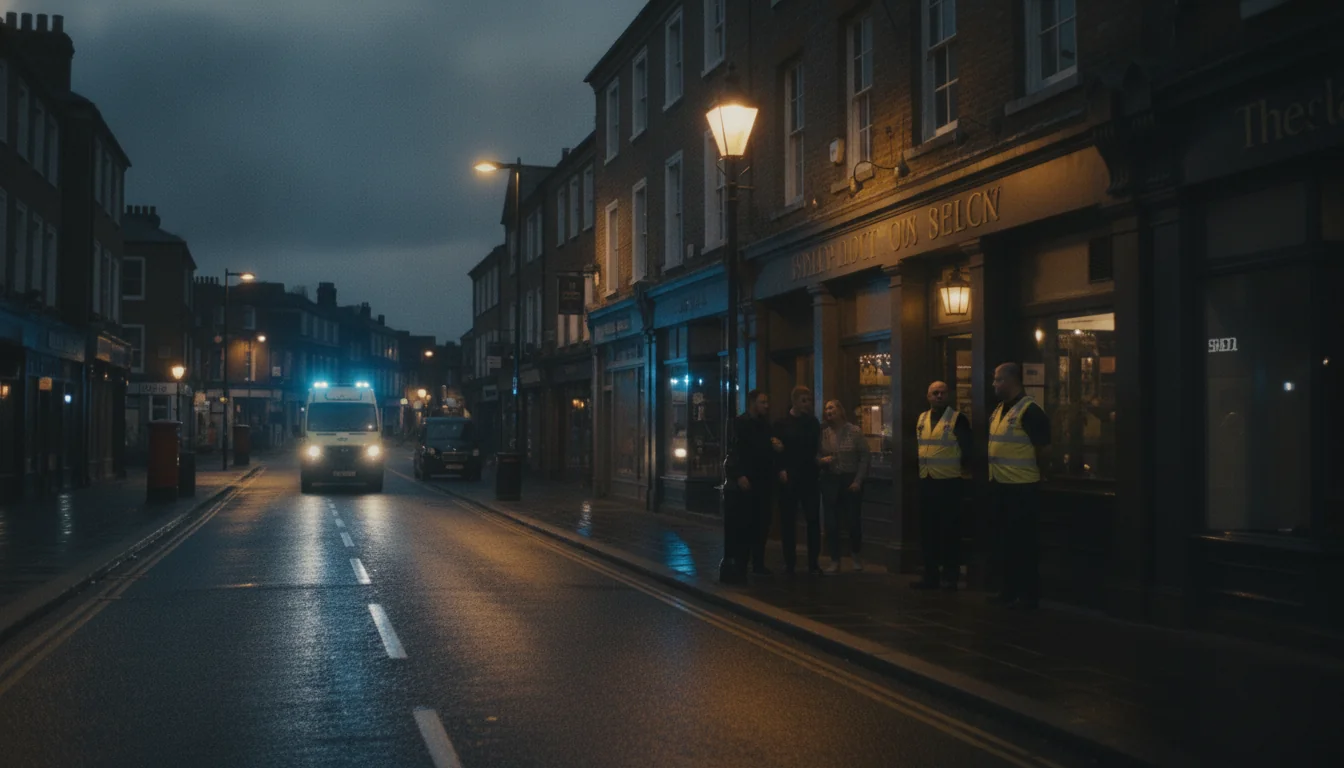
If trading extends, so does the danger window. Ejections, medical incidents and assaults cluster around closing time. Push closing to 03:00 and the peak moves with it. That has knock-on effects for ambulance response, taxi availability and police visibility — all of which were typically thinning out at that hour.
The ambulance point is particularly sharp. The ELEPHANT study didn’t just find more call-outs in total — it found them clustering at a time when NHS overnight capacity is at its lowest. A drunk casualty at 02:45 waits longer than a drunk casualty at 23:45. That’s a welfare problem your team will be holding.
Staffing Ratios Written for an 01:00 Close Don’t Fit a 03:00 Close
This is the one to take to your DPS. A risk assessment built around a 01:00 close — with a defined team size, break rotation and dispersal plan — does not automatically scale to a 03:00 licence. More hours mean more incidents, more fatigue, and a longer dispersal tail. Same headcount, longer shift, higher risk.
It’s also a working time issue. Door staff working a 19:00–03:30 shift are operating at the edge of safe alertness in the final hours. That’s the hour when split-second judgement on use of force, ejection technique and medical triage matters most.
Recommended Reading: Stan’s Law: Protecting Security Officers
Using the Evidence: Pushing Back Professionally
Door supervisors aren’t licensing lawyers. But you are, in most venues, the person closest to the actual risk. The ELEPHANT findings give you something concrete to point at when raising concerns.
A few ways to use it without overstepping:
- In pre-shift briefings: flag that the last hour is statistically the highest-risk hour, and agree clear roles for ejections and medical incidents before they happen.
- In incident reports: log the time of every incident precisely. Patterns in your own venue’s data are powerful when management reviews staffing — and they’re admissible at licensing reviews.
- In conversations with the DPS or licensing manager: reference the BMJ study by name when arguing for proper staffing on late shifts. “There’s published evidence that later hours raise incident rates” lands better than “it feels busier”.
- In licensing consultations: if your venue is applying to extend hours, ask to see the updated risk assessment. You are entitled to know how the plan accounts for the longer trading window.
- With Pubwatch and local partnerships: the data is more useful when shared. If every venue on a strip logs incidents the same way, the area picture becomes harder to ignore.
Safer Closing Protocols Worth Raising
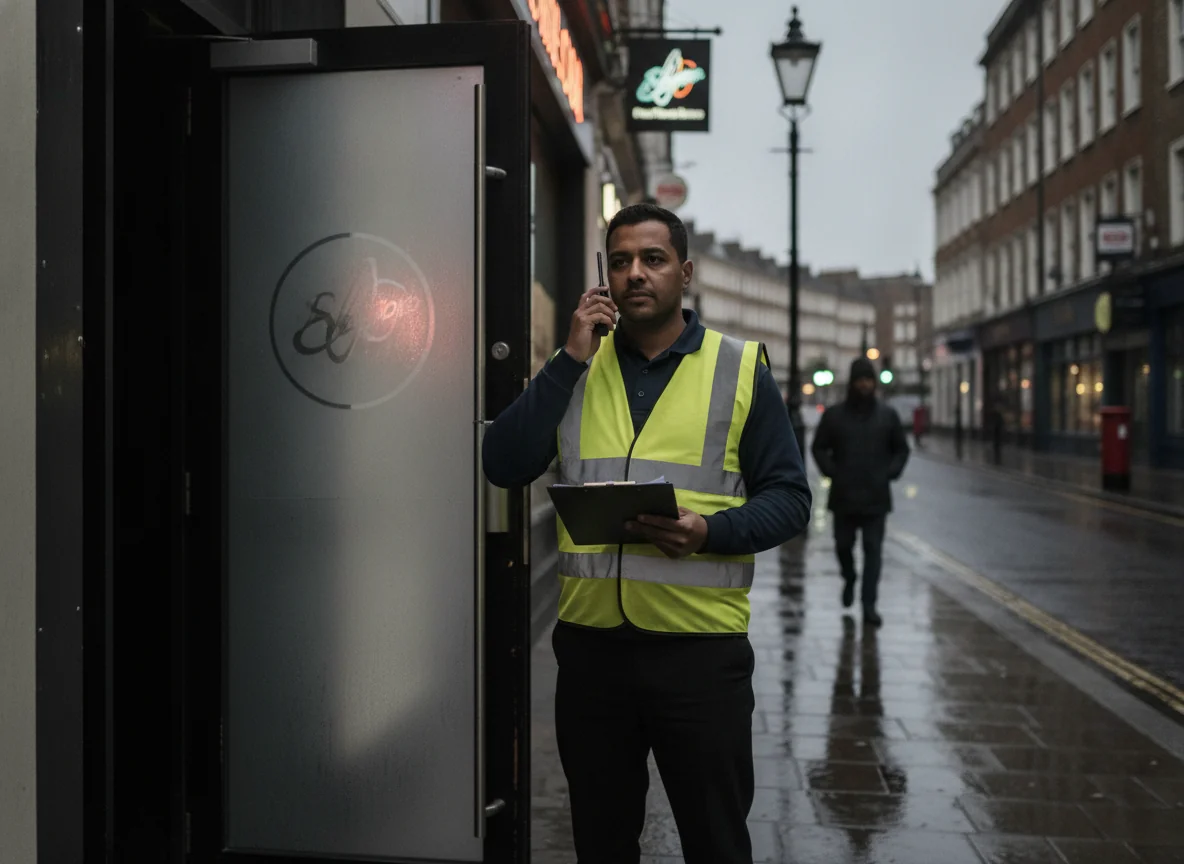
The study doesn’t argue for rolling back late licences — that’s a policy question. What it does suggest is that later trading needs to be matched with stronger closing protocols. Sensible things to push for at venue level include:
- A staggered last-orders process, not a single hard cut-off that dumps a packed room onto the pavement.
- A defined dispersal plan covering taxis, night buses and walking routes.
- Refresher training on conflict management and basic first aid for staff working past 01:00.
- Clear escalation routes to police and ambulance services during peak hours.
- Welfare provision — water, a quiet space, trained welfare staff — for vulnerable customers at closing.
- Body-worn video on the final hour shift, where licensing permits, for both evidence and accountability.
None of that is new. The ELEPHANT study just gives door staff fresh evidence that it’s needed.
The Bottom Line
Later licences are not going away. The UK night-time economy depends on them, and most door supervisors would rather have the work. But the message from Aberdeen is clear: extending hours without extending the safety plan is not a neutral decision. It costs ambulance call-outs, it costs police time, and it costs door staff who get hurt picking up the difference.
If the venue you work at is operating a late licence — or if management is applying for an extension — the ELEPHANT study is a useful piece of evidence to keep in your back pocket. Use it well, raise it professionally, and make sure the staffing matches the hours.
Ready to Work the Door?
If you’re serious about working late-licence venues, you need more than a badge. You need the training to handle the last hour when it matters. Get Licensed runs SIA-approved door supervisor training courses across the UK, with conflict management, physical intervention and first aid built in.
Already licensed? Keep your edge with our e-learning courses covering various skills needed in the security profession, and if your existing licence is nearing its expiry, make sure to book your refresher training course before it lapses — a lapsed licence means you cannot legally work, and there is no grace period.