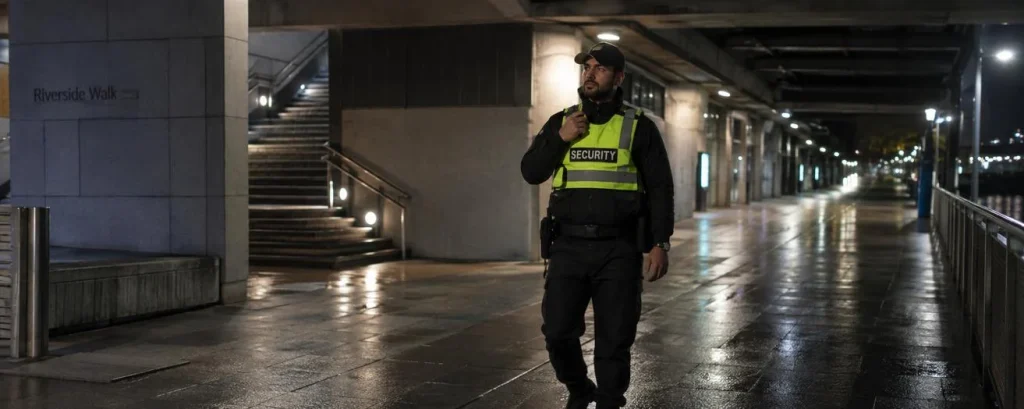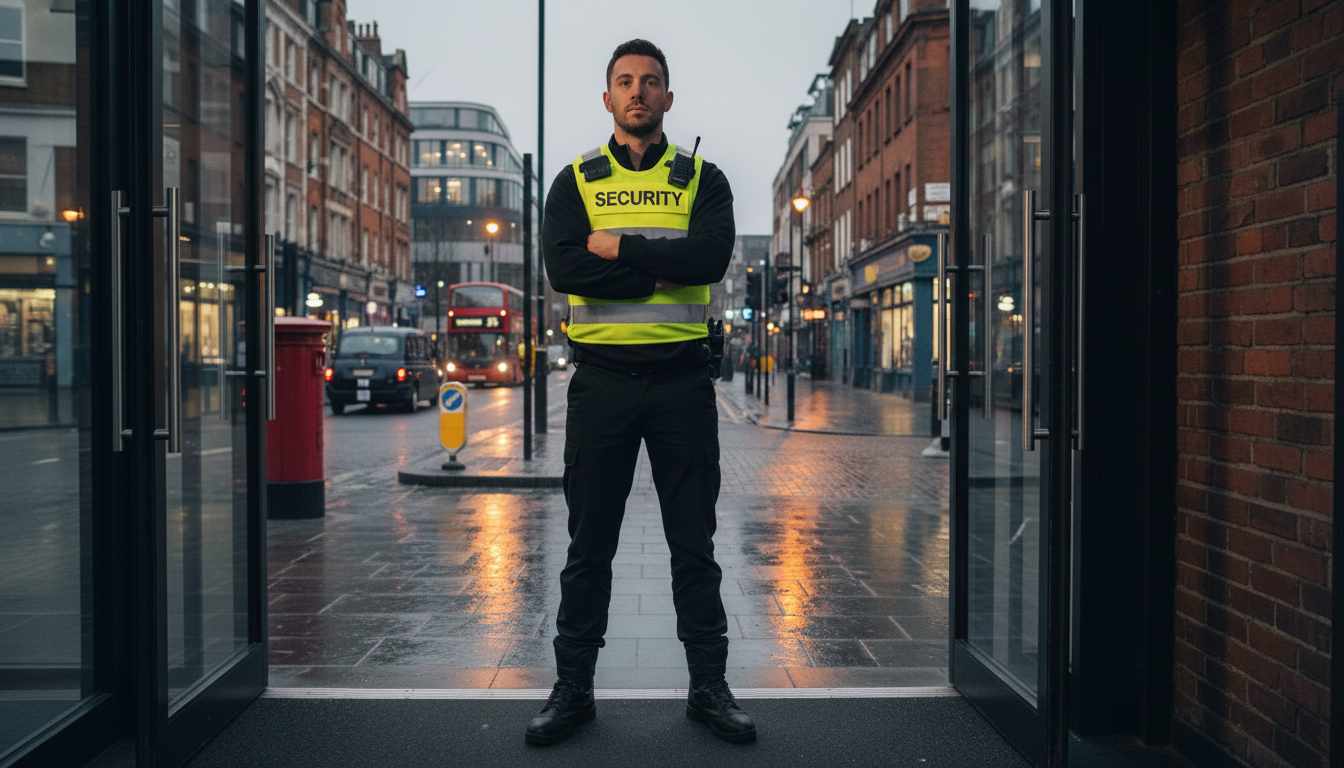





If you work in security and you’ve been telling yourself Martyn’s Law is a stadium and arena problem, it’s time for a rethink. Schools and colleges with a capacity over 200 are firmly in scope before the law’s Spring 2027 enforcement date. That’s most secondary schools, every sixth form college, and a large number of further education sites across the UK.
Fresh guidance from Marsh and updated briefings from Mitie confirm that schools and colleges with a capacity over 200 are firmly in scope before the law’s Spring 2027 enforcement date. That’s most secondary schools, every sixth form college, and a huge chunk of further education sites across the UK.
For security officers, that means a new category of work is opening up — and a new set of expectations attached to it. If you want a piece of these contracts, you need to understand what the duty actually looks like on a school site.
What Martyn’s Law Is — In One Paragraph
Martyn’s Law, formally the Terrorism (Protection of Premises) Act 2025, is named after Martyn Hett, one of the 22 people murdered at the Manchester Arena attack in 2017. It places a legal duty on premises and events above certain capacity thresholds to prepare for and reduce the risk of a terrorist attack. Premises expecting 200–799 people fall into the standard tier; those expecting 800 or more face the enhanced tier with tougher obligations.
The 200-capacity threshold pulls the vast majority of UK education sites into the standard tier. According to the Department for Education’s guidance, early years, primary, secondary and further education settings have a special consideration — they remain in the standard tier even if 800 or more individuals are expected to be present. Universities and higher education establishments do not have this protection and can fall into the enhanced tier if 800+ are expected.
Recommended Reading: Martyn’s Law Explained For Security Officers
Tier 1 in an Education Setting — What It Actually Means
The standard tier The standard tier is not about turning a school gate into an airport security line. The legislation focuses on preparedness, not heavy infrastructure. Standard tier duty holders must:
- Notify the regulator that they’re in scope.
- Put in place reasonably practicable public protection procedures.
- Train staff to respond — evacuation, invacuation, lockdown, and communication during an incident.
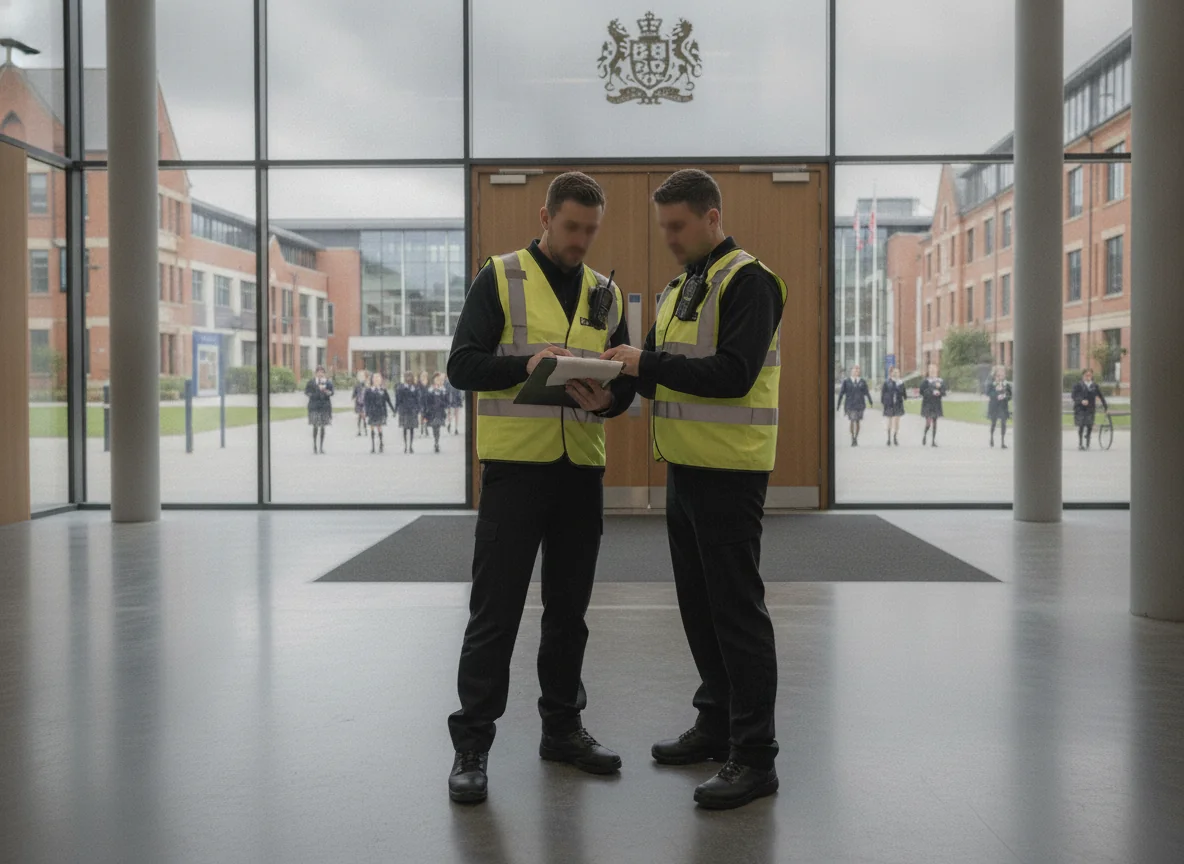
In a school context, that means the security officer on the gate isn’t just checking visitor lanyards. They’re the first link in a chain that includes safeguarding leads, the SLT, and emergency services. The expectation is that staff can recognise, report and respond — fast.
How This Differs From a Nightclub or Stadium Role
If you’ve done your time on doors or in a stadium concourse, a lot of your skill set transfers. But the differences matter.
- The crowd is different. You’re protecting children and young people, many of whom won’t react to instructions the way an adult crowd would. Lockdown drills replace bag searches as the primary tool.
- Safeguarding overlaps with security. Every interaction you have on site is also a safeguarding interaction. Misjudging it has consequences beyond a refused entry.
- The threat profile is wider. It’s not just terrorism — it’s parental disputes, custody issues, intruders, ex-staff. Martyn’s Law is the floor, not the ceiling.
- You’ll be DBS-checked. Enhanced DBS clearance is standard for anyone regularly working on education sites. If you’ve got cautions or convictions that didn’t matter for door work, they may matter here.
What Schools Will Be Looking For in Security Staff
Education contracts are won and lost on professionalism. A school’s senior leadership team is risk-averse for good reason — they’re answerable to parents, governors and Ofsted. Based on the Marsh guidance and current procurement trends, here’s what schools and colleges will increasingly demand:
- A valid SIA licence — usually door supervisor or security guard, depending on the role.
- Enhanced DBS clearance with a current update service subscription.
- Counter-terrorism awareness training — ACT Awareness and SCaN are the baseline. Many sites will want See, Check and Notify training too.
- A documented understanding of safeguarding — at minimum, Level 1 child protection.
- First aid, including paediatric first aid for primary-age sites.
- Calm communication. The ability to de-escalate a frustrated parent at the gate matters more than physical intervention skills.
How to Position Yourself for These Contracts
If you want to work at education sites in the run-up to Spring 2027, start now. The contracts are being scoped this year and next.
Get the Free Counter-Terrorism Training
ACT Awareness e-learning is free via the NPCC’s ProtectUK platform. It takes about 60-90 minutes. Add it to your CV. Then complete the SCaN for the Public module. These are the same modules school staff are being asked to do — turning up already certified marks you as serious.
Refresh Your DBS
If your last DBS check was for a different role, you’ll likely need a new enhanced check. Subscribing to the DBS update service costs around £16 a year and means schools can verify your status instantly.
Add Safeguarding to Your Profile
A basic Level 1 or Level 2 safeguarding certificate signals to schools that you understand the environment. It’s a cheap course and a strong differentiator from officers who only have door experience.
Look at Specialist Providers Now
A handful of specialist education-security firms are already retooling their contracts for Martyn’s Law compliance. Application windows for the first wave of properly resourced education roles are opening through 2026.
The Bottom Line
Martyn’s Law in schools isn’t going to look like Martyn’s Law in a 20,000-seat stadium. It’s quieter, more procedural, and built around preparedness rather than presence. But the demand for trained, licensed, DBS-checked officers who understand the education environment is going to spike between now and Spring 2027.
If you’ve been thinking about broadening beyond night-time economy work, this is the moment. The officers who walk into 2027 already trained, cleared and certified will pick the contracts. Everyone else will be playing catch-up.
The window before Spring 2027 is shorter than it looks. If you’re not yet licensed, book your door supervisor training and start building the profile education site managers will be looking for.