


No personal licence, no legal authority to sell alcohol. It is the one qualification that separates someone who pours drinks from someone who can run the bar. This guide covers the full process (eligibility, the APLH exam, the application, common pitfalls, and what happens after you get your licence) so you can go from unqualified to fully licensed with no guesswork.
A personal licence is one of the most misunderstood qualifications in UK hospitality. People assume you need one just to work behind a bar (you do not). Others skip it entirely, not realising it is a legal requirement for the person running the show. This results in delayed applications, rejected paperwork, and missed career opportunities — all avoidable.
This guide cuts through the confusion. Whether you are a bartender looking to move into management, a venue owner who needs a Designated Premises Supervisor, or an entrepreneur planning a mobile bar, this guide covers everything you need to know.
Note: This guide covers England and Wales. Scotland operates under a separate licensing system (the Licensing (Scotland) Act 2005) with different qualification requirements and renewal rules. If you need a Scottish licence, see the FAQ at the end of this guide.
Key Insights
- Your licence is portable. It belongs to you, not your venue, and every premises selling alcohol must name a DPS who holds one.
- The APLH course is a one-day qualification with a 40-question exam. Pass mark: 70%.
- Your DBS check must be less than one month old when you apply. Expired checks are the most common reason for rejection.
- Personal licences in England and Wales no longer expire — valid indefinitely since 2015, no renewal required.
- Total cost from course to licence: typically £150–£250. Many employers will cover it.
- A criminal record does not automatically disqualify you, but you must declare unspent relevant convictions.
What Is a Personal Licence?
A personal licence is a legal authorisation granted to an individual under the Licensing Act 2003. It permits the holder to sell or supply alcohol, or to authorise other people to do so, at any premises that holds a valid premises licence.
It is important to understand that the licence belongs to the individual, not to a venue. This means it is fully portable. You can use it at any licensed premises in England and Wales, and it stays with you if you change jobs. This portability is one of the key benefits of getting a personal licence, as it makes you a more flexible and valuable employee across the hospitality sector.
The entire licensing system is built around four core principles, i.e. the licensing objectives, which we cover in detail in the APLH course section below. A failure to uphold them can result in your licence being suspended or revoked.
Personal Licence vs. Premises Licence: What’s the Difference?
One of the most common areas of confusion is the difference between a personal licence and a premises licence. They serve different purposes, and a venue typically needs both to sell alcohol legally.
| Aspect | Personal Licence | Premises Licence |
| Granted to | An individual person | A specific building or location |
| Purpose | Authorises the individual to sell or authorise the sale of alcohol | Authorises a venue to carry out licensable activities (selling alcohol, late-night refreshment, entertainment) |
| Portability | Fully portable — moves with you | Fixed to the premises |
| Duration | Indefinite (England and Wales) | Ongoing, but subject to review |
| Issued by | The council where you live | The council where the premises is located |
In simple terms, the premises licence gives the building permission to be used for alcohol sales, while the personal licence gives a named individual the authority to make those sales happen. You can read more about the distinction in our guide to premises licences and what you need to know.
For smaller or one-off events where a full premises licence is not practical, check out how to apply for a Temporary Event Notice.
Who Needs a Personal Licence?
Not every person who pours a pint needs a personal licence. A member of staff can serve alcohol under the general authority of a licence holder without holding one themselves. However, there are several situations where having your own licence is either legally required or a significant career advantage.
The Designated Premises Supervisor (DPS)
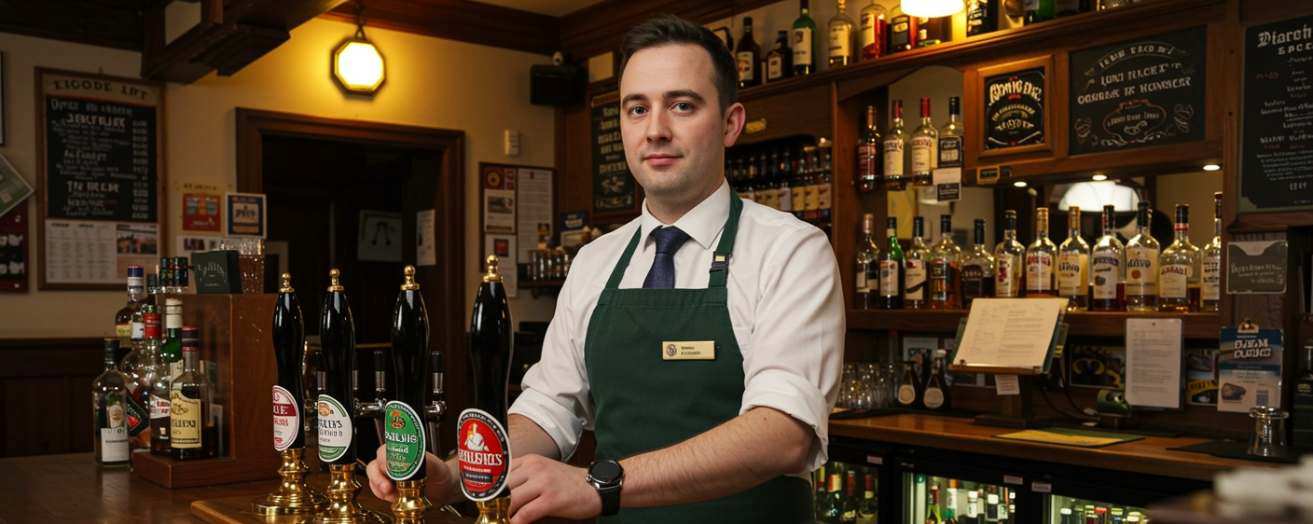
This is the most important role that requires a personal licence. Every premises with a licence to sell alcohol must name a DPS — a single individual who has day-to-day responsibility for the licensed operation of that venue. The DPS must hold a valid personal licence. This is a legal requirement under the Licensing Act 2003, and operating without a named DPS is a criminal offence. For a detailed explanation of this role, see our blog on who a Designated Premises Supervisor is and why they need a personal licence.
A common question is whether the DPS needs to be on-site at all times. The answer is no. The DPS does not need to be physically present at every moment the premises are open, but they must be contactable and must have given their consent to being named as DPS. In practice, this means many venue owners choose to have multiple personal licence holders on their team to ensure there is always someone qualified on duty.
Hospitality Professionals Seeking Career Progression
This is the other major group. For bartenders, bar supervisors, and senior hospitality staff, a personal licence is the clearest route to a management position. It signals to employers that you understand the legal responsibilities of alcohol sales and are qualified to take on supervisory roles. This typically translates into higher pay. Our guide on how much you can earn with a personal licence explores the salary differences in detail.
Business Owners and Independent Operators
Business owners, including those running pubs, restaurants, hotels, mobile bars, and pop-up events, also need to understand the personal licence. If you are planning to open a venue, you or a member of your team will need to hold one to act as DPS.
How To Get a Personal Licence: The Step-by-Step Process
The process of obtaining a personal licence is straightforward, but attention to detail is critical. Incomplete or incorrect applications are the most common reason for delays and rejections. Here’s what you need to do.
Step 1: Check Your Eligibility
Before you begin, confirm that you meet the basic personal licence requirements set out in the Licensing Act 2003. You must:
- Be aged 18 or over
- Have the right to live and work in the United Kingdom
- Not have been disqualified from holding a personal licence by a court order
- Hold an accredited licensing qualification (the APLH) which we cover in the next step.
You must also declare any unspent criminal convictions for a “relevant offence” as defined in Schedule 4 of the Licensing Act 2003. Relevant offences include violent crimes, sexual offences, drug offences, firearms offences, and offences under the Licensing Act itself. Having a conviction does not automatically disqualify you, but the police will be notified and may object to your application. Our detailed guides on applying with a criminal record and with a drink driving ban explain how this process works and what to expect.
Step 2: Complete the APLH Course
The Award for Personal Licence Holders (APLH) is a Level 2 accredited qualification and the mandatory training requirement for all personal licence applicants in England and Wales. It is typically a one-day course, available both online and in a classroom setting.
The course covers the key areas you need to understand as a licence holder, including the Licensing Act 2003, the types of licensable activities, the roles and responsibilities of personal licence holders and Designated Premises Supervisors, the protection of children from harm, and the legal powers of enforcement officers.
The 4 Licensing Objectives
A significant portion of the curriculum focuses on the four licensing objectives: the core principles that underpin the entire UK alcohol licensing system. As a personal licence holder, you are expected to understand and uphold these in every decision you make:
- The prevention of crime and disorder: Taking steps to minimise alcohol-related violence, anti-social behaviour, and illegal activity on licensed premises.
- Public safety: Ensuring the physical safety of staff and customers, including fire safety, capacity limits, and responsible service.
- The prevention of public nuisance: Managing noise, litter, odour, and light pollution so that the operation of the premises does not negatively affect the surrounding community.
- The protection of children from harm: Preventing underage sales through robust age-verification policies (such as Challenge 25) and ensuring children are not exposed to harmful situations.
These objectives are not just exam topics. They form the basis of the APLH course curriculum, and a failure to uphold them can result in your licence being suspended or revoked.
The APLH Exam
The course concludes with a multiple-choice exam consisting of 40 questions. You have one hour to complete it, and the pass mark is 28 out of 40 (70%). For most candidates, the exam is manageable if you pay attention during the training.
Our guide on whether the personal licence exam is hard covers what to expect and how to prepare, and our broader overview of the APLH exam goes into further detail on the format and content. To test your knowledge before the real thing, try our free personal licence mock exam.
If you do not pass the exam on your first attempt, you can retake it. Get Licensed offers free resits on selected course packages, so check which option suits you when booking.
Both online and classroom formats lead to the same accredited qualification. The online option offers flexibility, and you can study at your own pace from home. In contrast, the classroom format provides face-to-face interaction with an instructor. The choice depends on your learning style and schedule.
Ready to get started? Book your APLH course with Get Licensed.

Step 3: Gather Your Application Documents
Once you have passed the APLH exam, you need to assemble the following documents before submitting your application. Missing or incorrect paperwork is the single biggest cause of application delays, so take the time to get this right.
- Your completed application form and disclosure form
These are available from your local council’s website. The disclosure form is where you declare any unspent criminal convictions.
- Your original APLH certificate
Councils require the original certificate, not a photocopy. Keep it safe after your course.
- A basic DBS (Disclosure and Barring Service) check
This is a criminal record check that confirms whether you have any unspent convictions. Critically, the DBS certificate must be dated less than one calendar month before the date you submit your application. If it is older than this, your application will be rejected. You can apply for a basic DBS check online through the GOV.UK website.
- Two passport-sized photographs
One photograph must be signed by you. The other must be endorsed (countersigned) by a person of standing in the community, such as a solicitor, doctor, teacher, or other qualified professional. The countersignatory must confirm that the photograph is a true likeness of you.
This is one of the most searched-for aspects of the application process, and our blog on who can sign personal licence photos provides the full list of eligible professions and explains exactly what the countersignatory needs to write on the back of the photo.
- Proof of your right to work in the UK
This can be a share code from the Home Office online service or copies of your relevant documents (passport, visa, etc.).
The Personal Licence Application Fee
The standard fee for a personal licence application is £37, payable to your local council as set out in the Licensing Act 2003 (Fees) Regulations 2005. The total cost of getting a personal licence, when you factor in the APLH course, the DBS check, passport photos, and the application fee, typically comes to between £150 and £250, depending on the training provider and any additional services you use.
Step 4: Submit Your Application
Your completed application must be submitted to the licensing team at the local council for the area where you live (not where you work or where the premises are located). You can usually find the correct licensing team by searching your council’s website for “personal licence application.”
Once submitted, the council will send a copy of your application to the police. If you have no relevant convictions, the police will not object, and your licence will typically be granted within two to four weeks. If the police do object (usually on the grounds of the crime prevention objective), a hearing will be arranged where you can present your case.
For many busy professionals and venue owners, the application process can be time-consuming. Sourcing the correct forms, getting a valid DBS check, and ensuring every detail is correct takes time and attention.
Through the Get Licensed EasyApply service, our dedicated team handles the entire application on your behalf, from DBS check to paperwork to council submission, so it is done right the first time.
After You Receive Your Licence
Getting your licence is just the beginning. As a personal licence holder, you have ongoing legal responsibilities and should understand how to manage your licence over time.
Licence Duration and Validity
Since the Deregulation Act 2015 came into effect on 1 April 2015, personal licences in England and Wales no longer expire. Your licence is valid indefinitely, unless it is surrendered by you, suspended by a court, or revoked following a conviction. There is no renewal process and no renewal fee. This is a significant change from the previous system, where licences had to be renewed every ten years.
It is worth noting that this applies to England and Wales only. Scotland operates under a separate licensing system, and personal licences there are subject to different rules, including a requirement for refresher training.
The Physical Licence Document
Your personal licence is a physical document issued by your local council. It contains your name, photograph, a unique licence number, the name of the issuing authority, and the date of issue. You should keep your licence safe, as you may need to produce it on request.
For more details, see our blog on what a personal licence looks like.
Your Responsibility To Keep Details Updated
You are legally required to notify your issuing council if you change your name or home address. Failure to do so is a criminal offence. The fee for updating your details is typically £10.50. If your licence is lost, stolen, or damaged, you can apply for a replacement from your issuing council, also for a fee of £10.50.
Licence Suspension and Revocation
If you are convicted of a relevant offence, a court has the power to suspend your personal licence for up to six months, or to revoke it entirely. A revoked licence means you would need to go through the entire application process again. Additionally, if you are convicted of two or more relevant offences, the court may order forfeiture of the licence.
Recommended Reading: Can a Personal Licence Be Suspended or Revoked?
Your Next Step To Getting Licensed
Getting your personal licence is a crucial step in advancing your hospitality career or ensuring your business is legally compliant. It opens doors to management roles, increases your earning potential, and gives you the legal authority to manage alcohol sales responsibly.
The journey starts with the APLH qualification. Book your APLH course today and get qualified. If you would rather have someone handle the application process for you, our EasyApply service takes care of everything from DBS check to council submission.
Frequently Asked Questions
Not necessarily. You can serve alcohol without a personal licence as long as a licence holder has authorised the sale. However, if you want to become a manager, supervisor, or DPS, you will need one.
The APLH course takes one day. Gathering your documents (especially the DBS check) typically takes one to two weeks. The council processing time is usually two to four weeks. In total, expect the process to take around three to six weeks.
Having a criminal record does not automatically prevent you from getting a personal licence. You must declare any unspent relevant convictions, and the police may object, but each case is assessed individually.
A DBS (Disclosure and Barring Service) check is a criminal record check. For a personal licence application, you need a basic DBS check, which shows any unspent convictions. It must be less than one month old at the time of submission to ensure the information is current. Read more in our guide on DBS checks for personal licences.
No. Scotland has its own licensing system under the Licensing (Scotland) Act 2005. To sell alcohol in Scotland, you need the Scottish Certificate for Personal Licence Holders (SCPLH), and Scottish personal licences must be renewed every ten years.
Many employers in the hospitality industry are willing to fund the APLH course and application costs for staff members, particularly those being developed for management or DPS roles. It is worth asking, as it represents a relatively small investment for the business.
You can apply for a replacement from the council that originally issued your licence. The fee is typically £10.50.